Scuba Diving in Bali: Why Nusa Penida Stands Out
Scuba diving in Bali offers an exciting variety of underwater experiences. Divers can explore historic shipwrecks, colorful coral reefs, dramatic underwater walls, and habitats filled with tropical marine life. From Tulamben and Amed to Nusa Penida, each destination offers something different.
Among these locations, Nusa Penida stands out for its manta rays, seasonal Mola Mola encounters, and diverse underwater landscapes. However, conditions can vary significantly between dive sites. Therefore, choosing the right destination depends on your experience, interests, and comfort in the water.
This guide explores the best-known diving regions, marine life, seasonal conditions, and safety considerations to help you plan your next underwater adventure.
Why Scuba Diving in Bali Offers So Much Variety
Bali’s underwater environment includes sheltered bays, coral reefs, black-sand habitats, and current-influenced dive sites. As a result, divers can choose experiences that match their interests and skill levels.
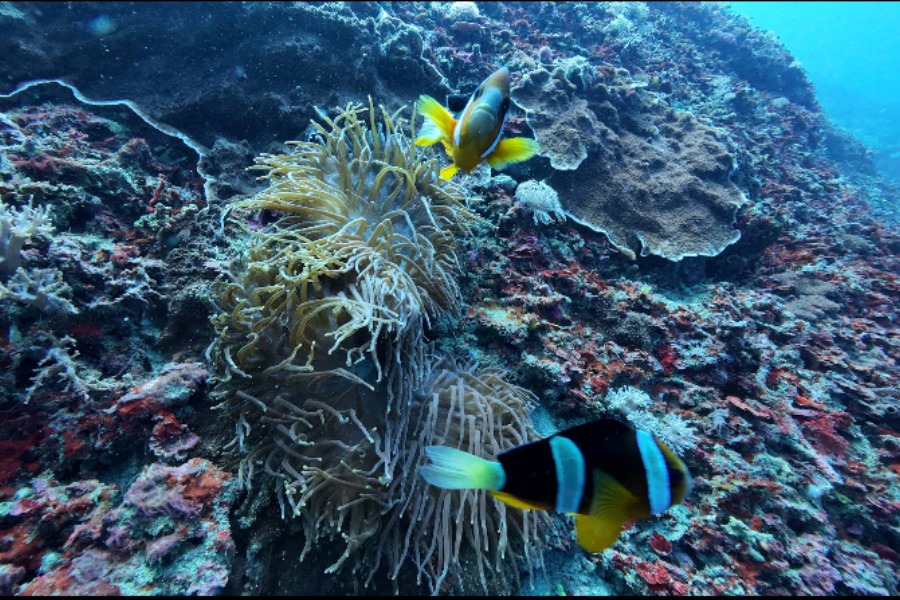
For example, Tulamben is famous for the USAT Liberty shipwreck. Meanwhile, Amed attracts divers interested in coastal reefs and smaller marine species. Menjangan offers impressive coral walls, while Padang Bai provides several options for recreational diving and training.
Nusa Penida, however, is particularly popular with divers seeking larger marine animals and drift-diving experiences.
This variety makes scuba diving in Bali appealing to beginners, certified divers, underwater photographers, and experienced explorers. With careful planning, you can choose sites that match your goals without overlooking local conditions.
Nusa Penida Is a Highlight of Scuba Diving in Bali
Nusa Penida is one of Bali’s best-known diving destinations. Its underwater landscapes support diverse marine life, while certain sites offer opportunities to encounter manta rays and seasonal Mola Mola.
Manta Point and Crystal Bay
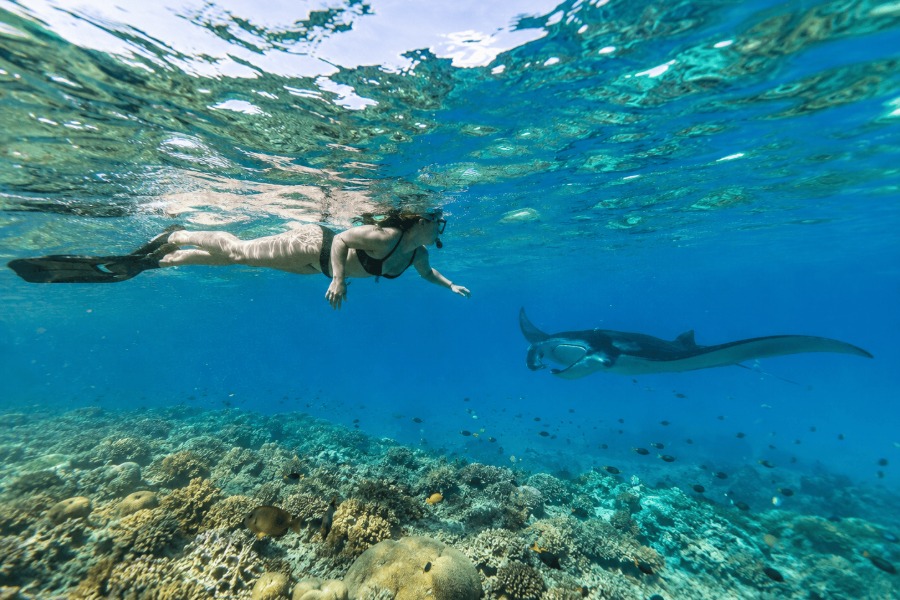
Manta Point is famous for reef manta ray encounters. Divers may observe these graceful animals moving through the water around cleaning stations. However, sightings depend on natural conditions, so encounters are never guaranteed.
Crystal Bay is another recognized dive site. It is particularly associated with seasonal Mola Mola sightings, especially during the cooler months. Water temperatures can drop, and currents may become challenging. Therefore, divers should follow local professional guidance before entering the water.
Toyapakeh and Gamat Bay
Toyapakeh offers coral formations and a variety of tropical marine life. Depending on the conditions, divers may also experience currents that require good buoyancy control and awareness.
Gamat Bay provides another opportunity to explore coral reefs and underwater habitats. Nevertheless, conditions can change, so the dive site should always match the group’s experience.
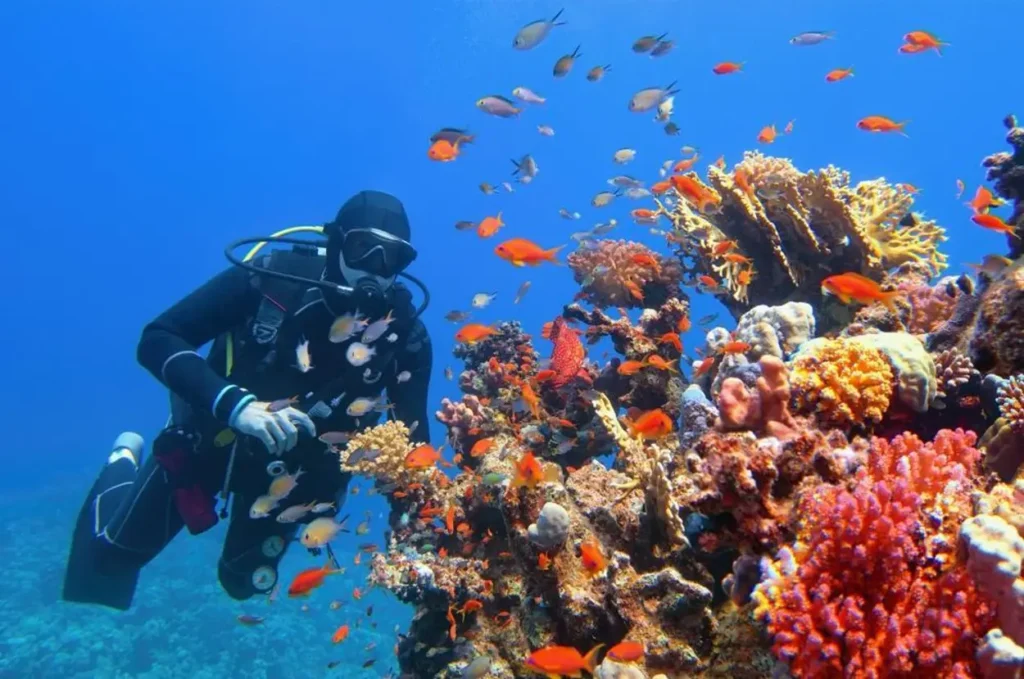
Although Nusa Penida is suitable for many certified divers, not every site is appropriate for beginners. A professional dive operator can recommend a suitable location based on your skills, recent experience, and the conditions on the day.
Comparing Bali’s Best-Known Diving Regions
When planning scuba diving in Bali, consider what you want to experience underwater. Each region has its own attractions and practical considerations.
1. Nusa Penida for Manta Rays and Drift Diving
Nusa Penida is ideal for divers interested in manta rays, seasonal Mola Mola, coral reefs, and current-influenced environments.
However, some sites experience strong currents and cooler water. Divers should choose appropriate locations with professional guidance.
2. Tulamben for Wreck Diving
Tulamben is famous for the USAT Liberty shipwreck, one of Bali’s best-known underwater attractions. The wreck lies close to shore and has developed into an artificial reef that supports various marine species.
Its accessibility makes Tulamben attractive to many recreational divers. Nevertheless, entry conditions, depth, and the planned route should be assessed before each dive.
3. Amed for Coastal Diving and Macro Photography
Amed offers black-sand environments, coastal reefs, and opportunities to photograph smaller marine creatures.
Parts of the area can be suitable for beginner training, depending on sea conditions and the selected site. In addition, underwater photographers may enjoy searching for nudibranchs, frogfish, and other fascinating macro subjects.
4. Menjangan Island for Coral Walls
Located within the West Bali National Park area, Menjangan Island is known for its coral walls and clear-water diving opportunities.
Its underwater scenery differs from Nusa Penida’s current-influenced sites. Therefore, it can be an appealing choice for divers who want to explore another side of Bali’s marine environment.
5. Padang Bai for Varied Dive Experiences
Padang Bai offers several dive sites, ranging from relatively sheltered bays to locations influenced by stronger currents.
This variety makes the area useful for different recreational and training objectives. However, site selection remains important because conditions can change throughout the day.
Marine Life You May Encounter
One of the biggest attractions of scuba diving in Bali is the diversity of marine life. Different regions support different species, and sightings depend on season, location, and natural conditions.
Depending on the dive site, you may encounter:
- Manta rays
- Mola Mola
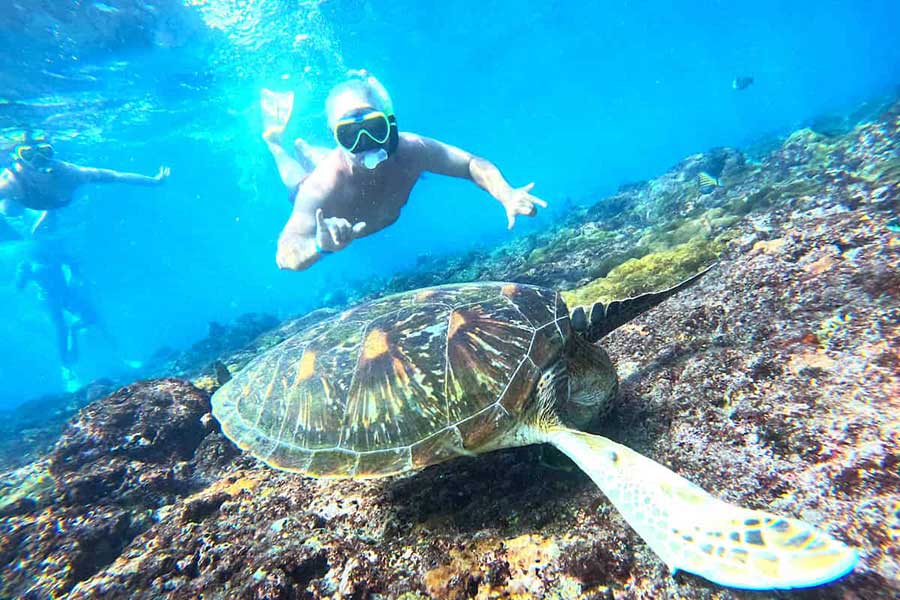
- Sea turtles
- Reef sharks
- Eagle rays
- Moray eels
- Nudibranchs
- Frogfish
- Pygmy seahorses
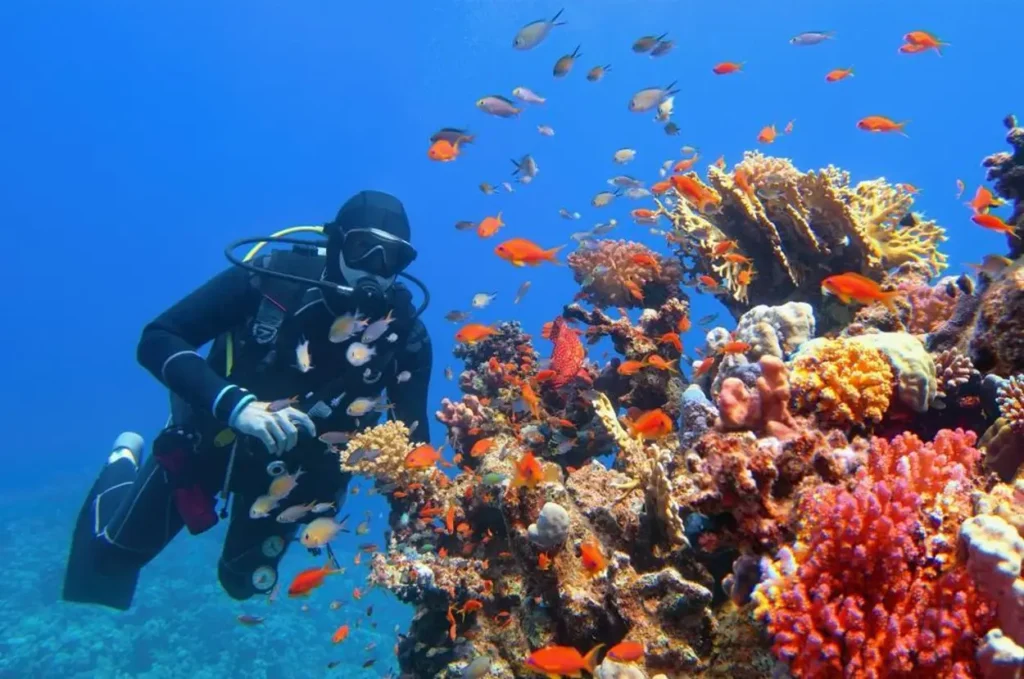
- Tropical reef fish
Nusa Penida is particularly known for manta rays and seasonal Mola Mola. Meanwhile, Tulamben and Amed offer excellent opportunities to observe smaller marine creatures and explore reef habitats.
Remember that these animals live in their natural environment. Responsible divers maintain a respectful distance, avoid chasing wildlife, and follow their guide’s instructions.
Is Scuba Diving in Bali Suitable for Beginners?
Yes, Bali offers several opportunities for people who are new to diving. However, the most suitable location depends on your confidence, training, and the conditions at the selected site.
Discover Scuba Diving programs introduce beginners to scuba equipment, basic underwater communication, and essential skills under instructor supervision. These experiences do not require the same certification as independent recreational diving.
For a first experience, parts of Amed, Tulamben, or Padang Bai may offer suitable conditions. Nevertheless, no destination is automatically safe in every situation.
Nusa Penida can also be considered by beginners when an operator selects an appropriate site and conditions permit. However, its more challenging locations may be unsuitable for inexperienced divers.
Before booking, explain your experience honestly. A qualified instructor can then help determine whether an introductory dive or another activity is the best option.
Diving Certification and Experience Levels
Certification affects which dives you can participate in, but it is only one part of dive planning.
An Open Water certification allows participation in many recreational dives within the diver’s training and limits. Additional training can help divers develop skills for deeper dives, navigation, drift diving, or wreck exploration.
However, a certification card does not automatically demonstrate recent experience or comfort in challenging conditions.
If you have not dived for a long time, tell your operator before the trip. A refresher session may help you regain confidence and review essential skills.
Likewise, divers who are unfamiliar with strong currents should discuss their concerns before choosing a site around Nusa Penida.
Essential Equipment for Scuba Diving in Bali
Most professional dive operators provide the main equipment needed for recreational scuba diving.
Typical equipment includes:
- Mask and fins
- Buoyancy control device (BCD)
- Regulator
- Scuba tank
- Wetsuit
- Weight system
- Dive computer
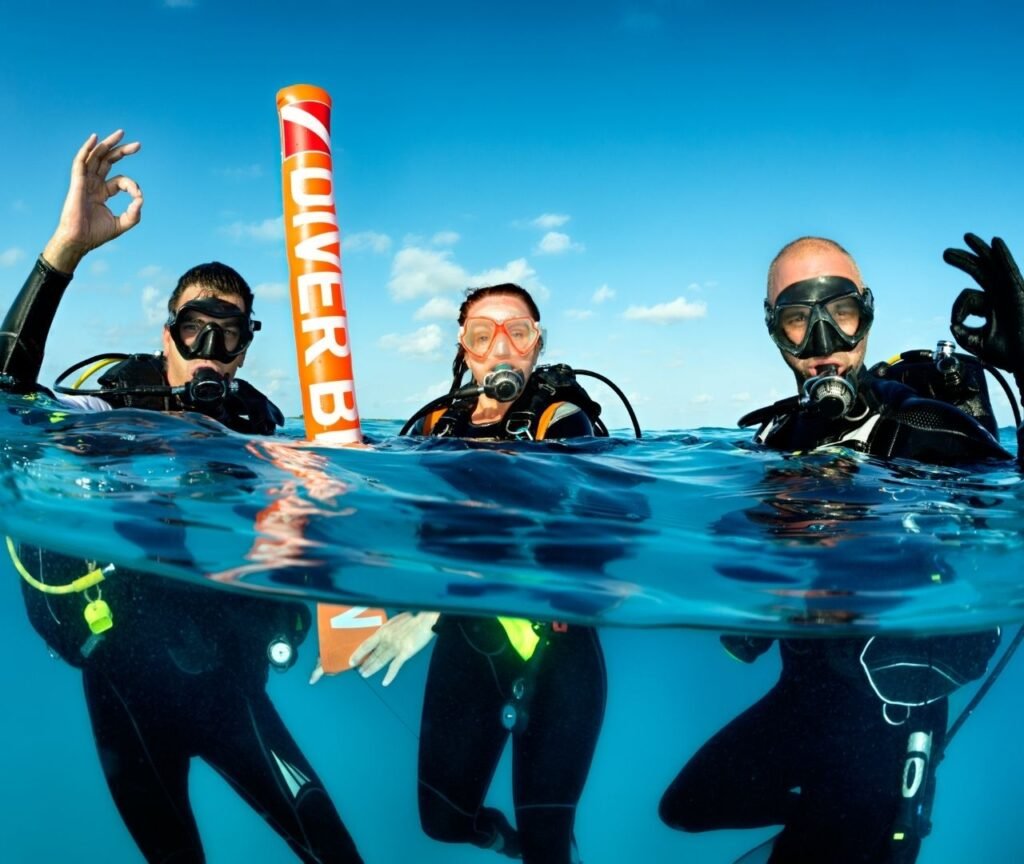
- Surface marker buoy when appropriate
Water temperatures vary between Bali’s diving regions. Some sites offer warm conditions, while locations affected by deeper ocean water can feel considerably cooler.
A suitable wetsuit can improve comfort during the dive. Additionally, properly fitted equipment and a pre-dive equipment check help support a safer experience.
If you have your own mask, dive computer, or other personal equipment, ask the operator whether you can bring it.
Safety Tips for Diving in Bali
Safety should guide every diving decision. Although Bali offers many excellent sites, conditions can vary between locations and even change during the day.
Before entering the water, your dive guide should explain the plan and relevant safety procedures. These include:
- Planned depth and dive duration
- Expected currents and water conditions
- Entry and exit procedures
- Buddy or group arrangements
- Air-management expectations
- Underwater communication signals
- Emergency procedures
Always dive within your training and comfort level. Follow your guide’s instructions, monitor your air supply, and maintain contact with your buddy.
If conditions are unsuitable, a responsible operator should be prepared to change the site or postpone the dive. Remember that choosing a different location is a sensible safety decision, not a missed opportunity.
When Is the Best Time for Scuba Diving in Bali?
Bali offers diving opportunities throughout the year. However, the best period depends on the location, sea conditions, and marine life you hope to encounter.
For Nusa Penida, April to November is often considered a favorable period for planning a diving trip. Meanwhile, July to October is commonly associated with seasonal Mola Mola sightings around Crystal Bay.
These periods are general guides rather than guarantees. Visibility, water temperature, currents, and wildlife activity can vary from day to day.
If Mola Mola is your main interest, discuss the timing with a local dive operator before booking. On the other hand, if you are a beginner, prioritize suitable training conditions rather than focusing exclusively on a particular marine animal.
How to Choose the Right Bali Dive Destination
The best diving destination is the one that matches your goals and experience.
Before booking, consider these factors:
- Certification: Choose sites that fit your qualifications and training.
- Recent experience: Consider how recently you last dived.
- Marine life: Decide whether you prefer manta rays, reef fish, macro subjects, or wrecks.
- Dive conditions: Discuss currents, visibility, water temperature, and entry procedures.
- Season: Consider the time of year and your preferred activities.
- Operator standards: Look for qualified professionals, suitable equipment, and clear safety procedures.
By comparing these factors, you can plan an itinerary that balances adventure, comfort, and safety.
Responsible Diving and Marine Conservation
Bali’s underwater ecosystems deserve protection. Every diver can help reduce their impact by following responsible diving practices.
First, avoid touching corals or standing on reefs. Maintain good buoyancy control to prevent accidental contact with fragile marine habitats.
Next, observe marine animals without chasing, feeding, or touching them. Give manta rays, turtles, and other wildlife enough space to move naturally.
You can also reduce waste by carrying reusable items and disposing of rubbish properly. When selecting sunscreen, consider products designed with marine environmental protection in mind, while following local guidance.
Responsible diving helps protect the marine environment while allowing future visitors to appreciate the same underwater beauty.
Choosing a Professional Dive Operator in Bali
A professional dive operator plays an important role in your diving experience. Beyond providing equipment, a good team assesses conditions, explains procedures, and selects sites that suit each diver.
When comparing providers, check instructor qualifications, equipment maintenance, group arrangements, emergency procedures, and the services included in the price.
For trips around Nusa Penida, local knowledge is particularly important because currents and sea conditions can influence site selection.
Ask questions before booking and share your certification, recent diving history, and concerns. Clear communication helps the operator recommend an appropriate experience.
Frequently Asked Questions
Is scuba diving in Bali good for beginners?
Yes, Bali offers introductory diving programs and locations that may suit beginners. Parts of Amed, Tulamben, and Padang Bai can be appropriate, depending on the conditions and instructor’s assessment.
Where can I see manta rays while diving in Bali?
Manta Point in Nusa Penida is one of the best-known locations for manta ray encounters. However, manta rays are wild animals, so sightings cannot be guaranteed.
When is Mola Mola season in Bali?
Mola Mola sightings around Crystal Bay are commonly associated with July to October. Water can be cooler during these encounters, and conditions may be challenging. Follow your dive operator’s recommendations.
Do I need certification to scuba dive in Bali?
Certification is not always required for an introductory Discover Scuba Diving experience under instructor supervision. Certified recreational dives generally require an appropriate certification, and some sites may require additional experience.
What should I bring for scuba diving in Bali?
Bring swimwear, a towel, a change of clothes, and any personal diving equipment you prefer to use. Most professional operators provide essential scuba equipment. Ask your operator about sunscreen and other recommended items before departure.