Best Diving in Bali for an Unforgettable Underwater Adventure
Bali is a popular destination for divers of all experience levels. The island offers colorful coral reefs, diverse marine life, and exciting underwater landscapes. If you are looking for the best diving in Bali, Nusa Penida is an excellent place to explore.
Nusa Penida is famous for manta rays, coral reefs, and seasonal mola-mola sightings. However, ocean currents can vary throughout the day. Therefore, choosing a dive site that matches your experience is essential.
Whether you are a beginner or a certified diver, proper preparation helps you enjoy a safer experience. This guide covers popular dive sites, marine life, diving seasons, equipment, and tips for choosing a professional dive center.
What Makes the Best Diving in Bali Special?
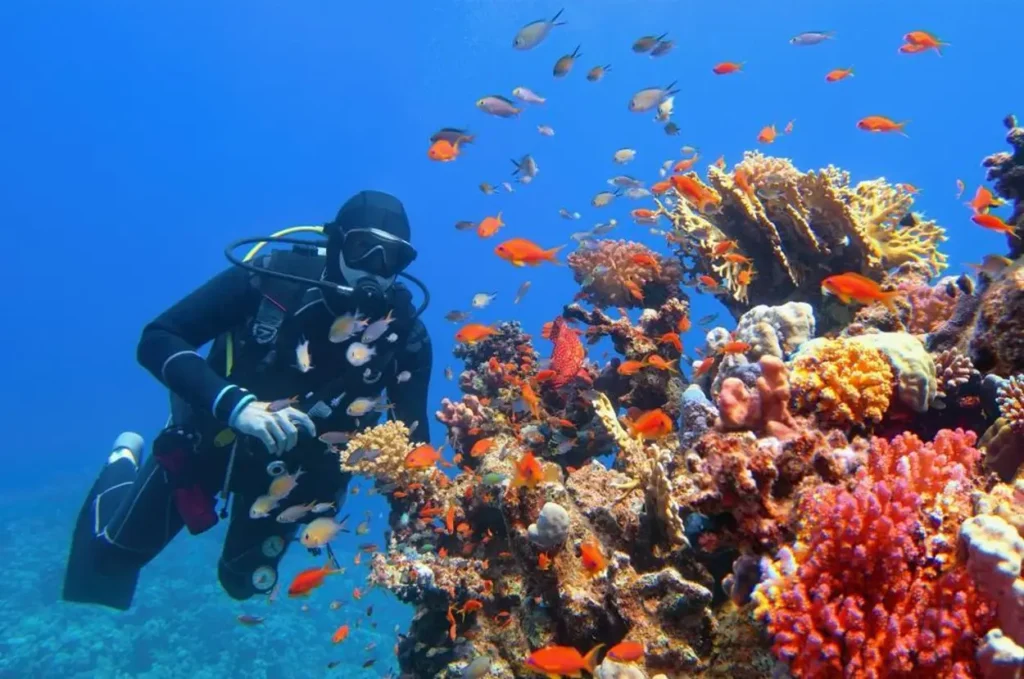
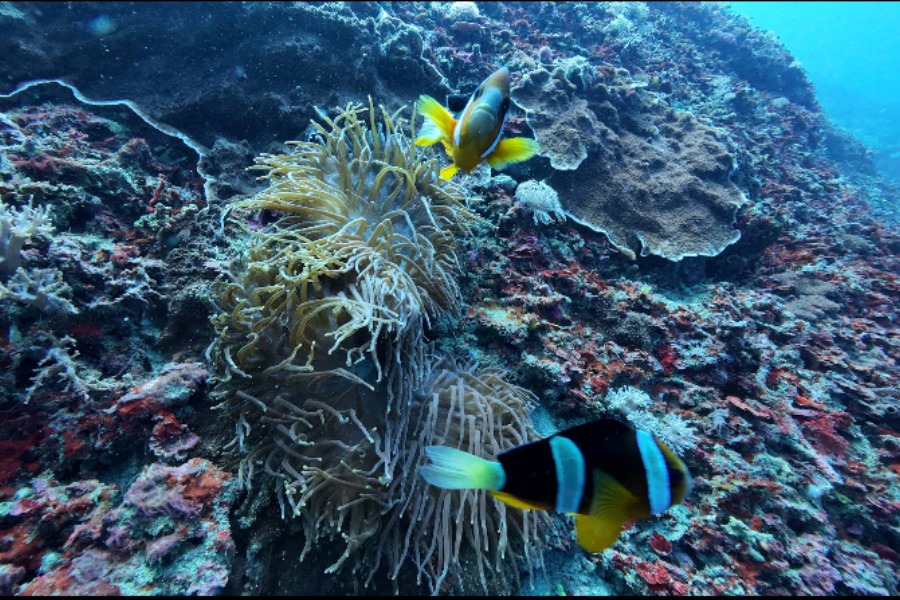
Bali offers a wide range of underwater environments. Divers can explore coral gardens, underwater walls, and reefs filled with tropical marine life.
Each destination provides a different experience. For example, some sites are known for their coral formations, while others attract divers hoping to encounter larger marine animals.
Nusa Penida stands out because of its rich marine biodiversity and changing ocean conditions. As a result, the island appeals to divers seeking exciting underwater adventures.
However, the best diving experience is not always the most challenging one. Instead, choose a dive that matches your certification, skills, and comfort level.
Diving in Nusa Penida
Nusa Penida is one of Bali’s well-known scuba diving destinations. Its surrounding waters feature diverse marine habitats and several popular dive sites.
Here are four locations worth learning about before planning your trip.
Manta Point
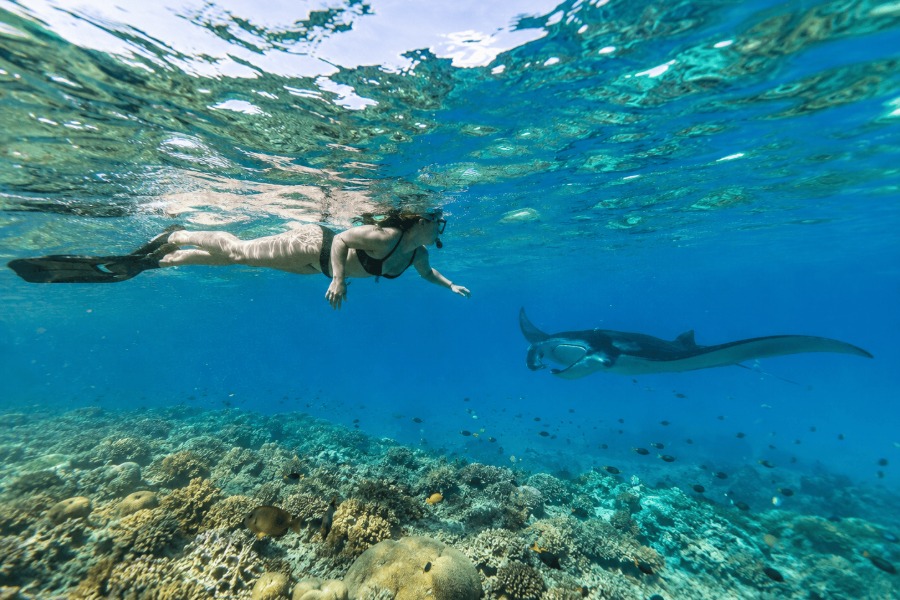
Manta Point is famous for the possibility of encountering manta rays. These graceful animals are a major attraction for divers visiting Nusa Penida.
However, sightings depend on natural conditions. Divers should maintain a respectful distance and follow their guide’s instructions throughout the experience.
Crystal Bay
Crystal Bay is known for its marine life and seasonal mola-mola sightings. The area can experience strong currents and changing conditions.
Therefore, divers should visit with a qualified professional who can assess the conditions and determine whether the site suits their experience.
Gamat Bay
Gamat Bay offers coral formations and opportunities to observe tropical marine life. The underwater environment can appeal to divers who enjoy exploring reef ecosystems.
Nevertheless, current strength and visibility can change. Always follow the dive team’s recommendations before entering the water.
Toyapakeh
Toyapakeh is another popular dive area around Nusa Penida. Divers may explore coral reefs and encounter a variety of marine species.
The conditions can vary between dives. For this reason, the dive operator should select an appropriate route based on the day’s conditions and the group’s abilities.
Manta Rays and Mola-Mola in Bali
Marine encounters are one of the main reasons travelers search for the best diving in Bali. Nusa Penida is particularly well known for manta rays and seasonal mola-mola.
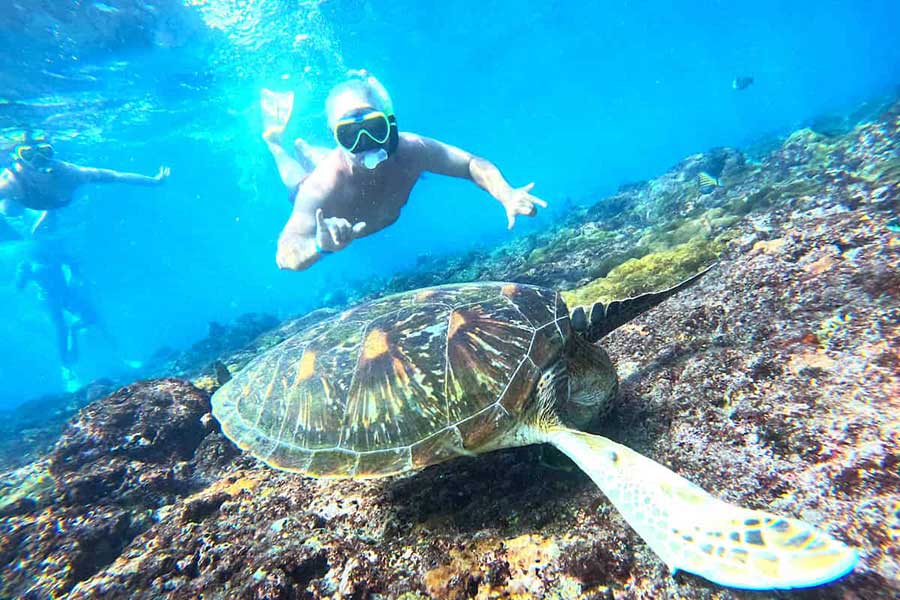
Manta rays are large marine animals that move gracefully through the water. Seeing them in their natural environment can be a memorable experience.
Meanwhile, mola-mola, also called ocean sunfish, are associated with certain Nusa Penida dive sites. July to October is commonly linked with seasonal sightings.
However, these animals live in the wild. Their presence cannot be guaranteed on any particular trip.
Responsible diving is equally important. Avoid touching marine animals, chasing them, or blocking their movement. By respecting their space, divers help protect the underwater environment.
Is Diving in Bali Suitable for Beginners?
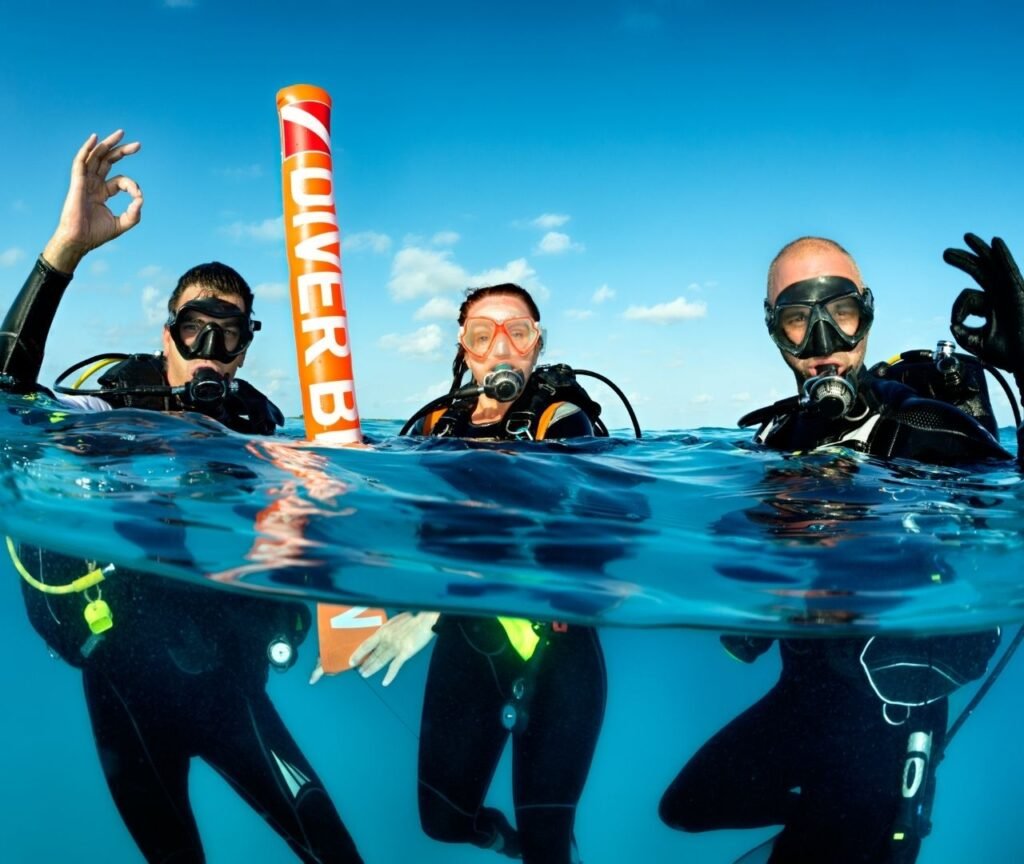
Yes, Bali offers introductory scuba diving programs for people without previous diving experience. However, beginners should choose a suitable program and follow professional guidance.
One option is Discover Scuba Diving. This introductory experience allows participants to learn basic scuba skills under professional supervision.
Nusablu offers Discover Scuba Diving for beginners, along with recreational diving and more advanced training options.
Before booking, explain your experience level and any concerns to the dive team. They can help determine whether a particular program is appropriate.
Beginners should focus on breathing comfortably, following instructions, and learning basic skills. There is no need to rush into challenging dive sites.
How to Choose a Dive Center in Bali
Choosing a professional dive center is an important part of planning your trip. A good operator should explain the program clearly and help you understand what to expect.
Before making a booking, consider these factors:
- Instructor qualifications: Check the instructors’ relevant certifications and experience.
- Equipment condition: Ask about equipment maintenance and fit.
- Safety briefing: Make sure the team explains the procedures before the dive.
- Group size: Understand how the operator organizes divers and supervision.
- Emergency procedures: Ask how the team responds to changing conditions.
- Dive-site selection: Confirm that the operator considers experience and ocean conditions.
- Transparent pricing: Check which equipment, transfers, and other services are included.
Nusablu identifies itself as a PADI-certified dive center. Its programs include introductory diving and training options for different experience levels.
Nevertheless, compare the details of each program before booking. The right choice should prioritize safety, suitable instruction, and clear communication.
Understanding Ocean Currents in Nusa Penida
Ocean currents are an important consideration when planning a dive around Nusa Penida. Strong or changing currents can affect movement, buoyancy, and air consumption.
Consequently, a site that suits an experienced diver may not suit a beginner. Conditions can also change between locations and throughout the day.
Professional dive guides assess the conditions before selecting a dive site. They should explain the planned route, entry and exit procedures, and any relevant risks.
If you do not understand the briefing, ask questions before entering the water. Likewise, tell your instructor if you feel uncomfortable.
Never feel pressured to continue a dive that does not feel appropriate. Good diving decisions always take personal limits and current conditions into account.
Essential Scuba Diving Equipment
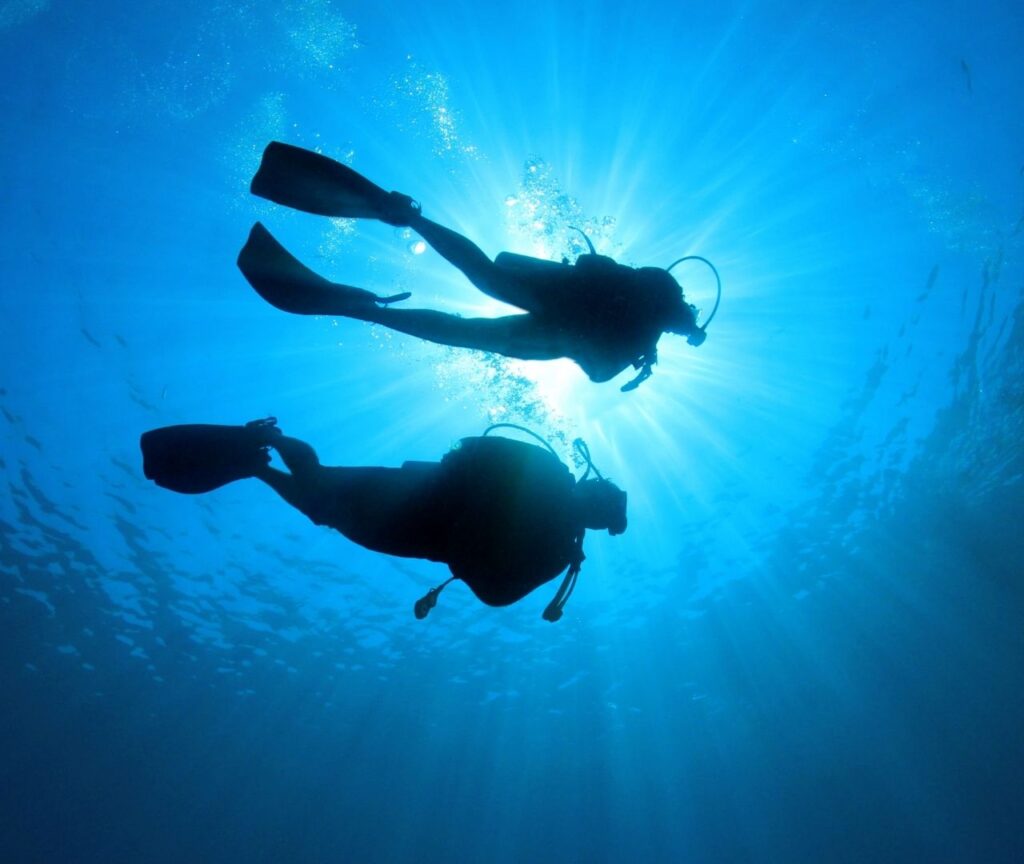
Scuba diving requires specialized equipment that helps divers breathe underwater and manage their position in the water.
A typical scuba setup includes:
- Mask and fins
- Wetsuit, when appropriate
- Buoyancy control device (BCD)
- Regulator and scuba tank
- Weights, when needed
- Dive computer or suitable monitoring equipment
Before entering the water, check that your equipment fits properly and works as expected. Ask the dive professional to help if anything feels uncomfortable.
Nusablu provides scuba equipment for several diving programs. However, inclusions may vary, so confirm the details of your chosen activity before booking.
Additionally, follow the instructor’s guidance on equipment use. Proper preparation helps you focus on the dive rather than unnecessary distractions.
Best Time for Diving in Bali
Diving is possible during much of the year in Bali. However, weather, sea conditions, and visibility can affect the experience.
April through November is often considered a favorable period for marine activities around Nusa Penida. Meanwhile, July to October is commonly associated with seasonal mola-mola sightings.
These periods are general guides rather than guarantees. Ocean conditions can change, and wildlife encounters remain unpredictable.
Therefore, check the forecast and consult your dive operator before choosing a date. The day’s conditions matter more than the season alone.
If your main goal is to see a particular marine animal, keep your expectations flexible. Enjoying the reef and its other marine life can make the experience rewarding, even without a specific sighting.
Tips for First-Time Divers
Your first scuba diving experience can feel unfamiliar. Fortunately, a little preparation can help you feel more comfortable.
Keep these tips in mind when planning your first dive:
- Listen carefully: Follow the instructor’s briefing and ask questions when needed.
- Breathe calmly: Use the breathing techniques taught during your program.
- Check your equipment: Tell the instructor if anything feels loose or uncomfortable.
- Stay with your guide: Follow the agreed route and underwater signals.
- Respect your limits: Communicate immediately if you feel uneasy.
- Avoid rushing: Focus on learning basic skills instead of comparing yourself with other divers.
In addition, choose a beginner program that provides suitable instruction and supervision. Your first dive should focus on comfort, learning, and safety.
With the right preparation, you can gradually develop your confidence and enjoy more underwater experiences in the future.
Diving and Marine Conservation
Bali’s underwater ecosystems support a wide range of marine life. Protecting these environments helps preserve them for future visitors and local communities.
Responsible diving starts with good buoyancy control. This helps prevent accidental contact between your equipment, fins, and fragile coral.
You should also avoid touching marine animals or collecting shells and other natural objects. Even brief contact can disturb wildlife or damage sensitive habitats.
Furthermore, follow local guidelines and your dive guide’s instructions at every site. Do not feed marine animals or pursue them for photographs.
By following these practices, divers can enjoy the underwater environment while reducing their impact on marine life.
Plan Your Diving Experience with Nusablu
Choosing the right program is an important first step toward enjoying Bali’s underwater world. Before booking, consider your experience, preferred activities, and the conditions at your intended destination.
Nusablu offers introductory scuba diving for beginners, as well as recreational diving and advanced training options. You can ask the team about available programs, equipment, and suitable dive sites.
If you are planning to explore Nusa Penida, discuss your expectations with the dive center in advance. This helps the team understand your interests and recommend an appropriate experience.
Ultimately, the best diving in Bali combines fascinating marine life, suitable conditions, professional guidance, and respect for the ocean.
Prepare carefully, choose a program that matches your ability, and enjoy discovering Bali’s underwater world responsibly.
Frequently Asked Questions
What is considered the best diving in Bali?
The best diving in Bali depends on your interests and experience. Nusa Penida is known for its marine biodiversity, manta rays, seasonal mola-mola encounters, and varied underwater conditions.
Is Nusa Penida suitable for beginner divers?
Some programs accommodate beginners, but not every dive site is suitable for new divers. Choose a program based on your experience, professional guidance, and current sea conditions.
When can I see mola-mola in Nusa Penida?
Mola-mola sightings are commonly associated with July to October at certain Nusa Penida dive sites. However, sightings are never guaranteed because these are wild marine animals.
Do I need a diving certification?
Certification requirements depend on the activity. Beginners can consider introductory programs such as Discover Scuba Diving. Certified recreational divers can choose dives appropriate for their qualifications and experience.
What should I check before booking a dive?
Check instructor qualifications, equipment condition, safety procedures, group size, dive-site selection, and included services. Also, confirm that the program suits your experience level and the expected sea conditions.