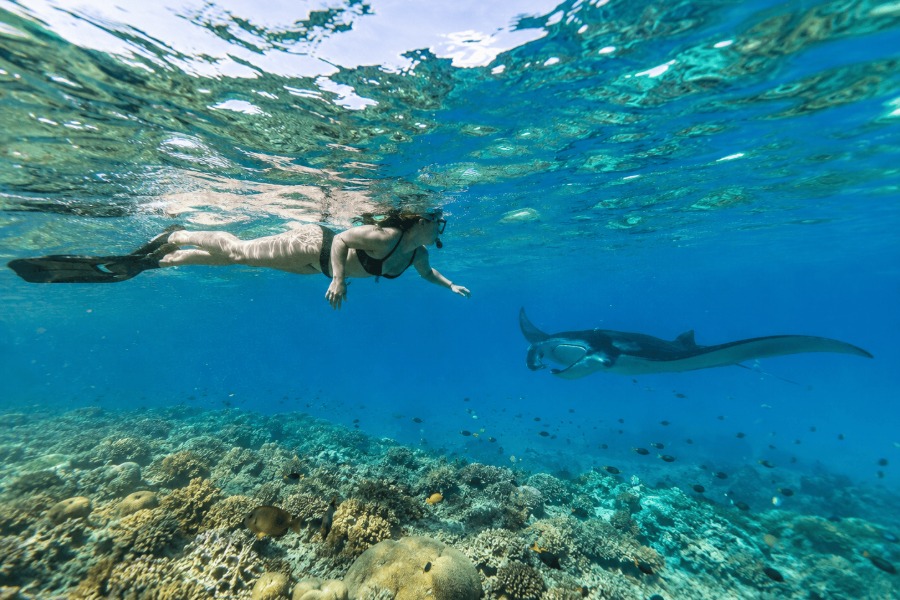
Diving Courses in Bali for Beginners and Experienced Divers
Taking diving courses in Bali is a great way to develop scuba diving skills while exploring Indonesia’s tropical underwater environments. Whether you are a complete beginner or an experienced diver, Bali offers different training options to match your goals.
A diving course involves more than spending time underwater. Students learn diving theory, equipment use, communication, safety procedures, and practical skills. With the right training, divers can build confidence and make more responsible decisions underwater.
Nusa Penida is an interesting destination for scuba training. However, its waters can experience changing currents and sea conditions. Therefore, choosing a structured program with qualified instructors is essential.
Why Choose Diving Courses in Bali?
Bali offers opportunities to combine classroom learning with practical experience in tropical waters. As a result, students can apply what they learn while developing their diving skills.
Structured training also helps students understand how scuba equipment works, how pressure affects the body, and how divers communicate underwater. In addition, students learn to plan dives and recognize the importance of safe diving practices.
Nusablu offers several training options, including Discover Scuba Diving, Open Water, Advanced Open Water, Emergency First Response, Rescue, and Dive Master programs. Each program serves a different purpose, depending on the student’s experience and future goals.
Types of Diving Courses in Bali
Choosing the right program depends on your current experience and what you want to achieve. Some courses introduce beginners to scuba diving, while others help certified divers develop more advanced skills.
Discover Scuba Diving for Beginners
Discover Scuba Diving is designed for people who want to try scuba diving without immediately committing to a full certification course.
Participants receive an introduction to basic diving concepts and equipment before entering the water under an instructor’s supervision. This experience can help beginners decide whether they want to continue learning.
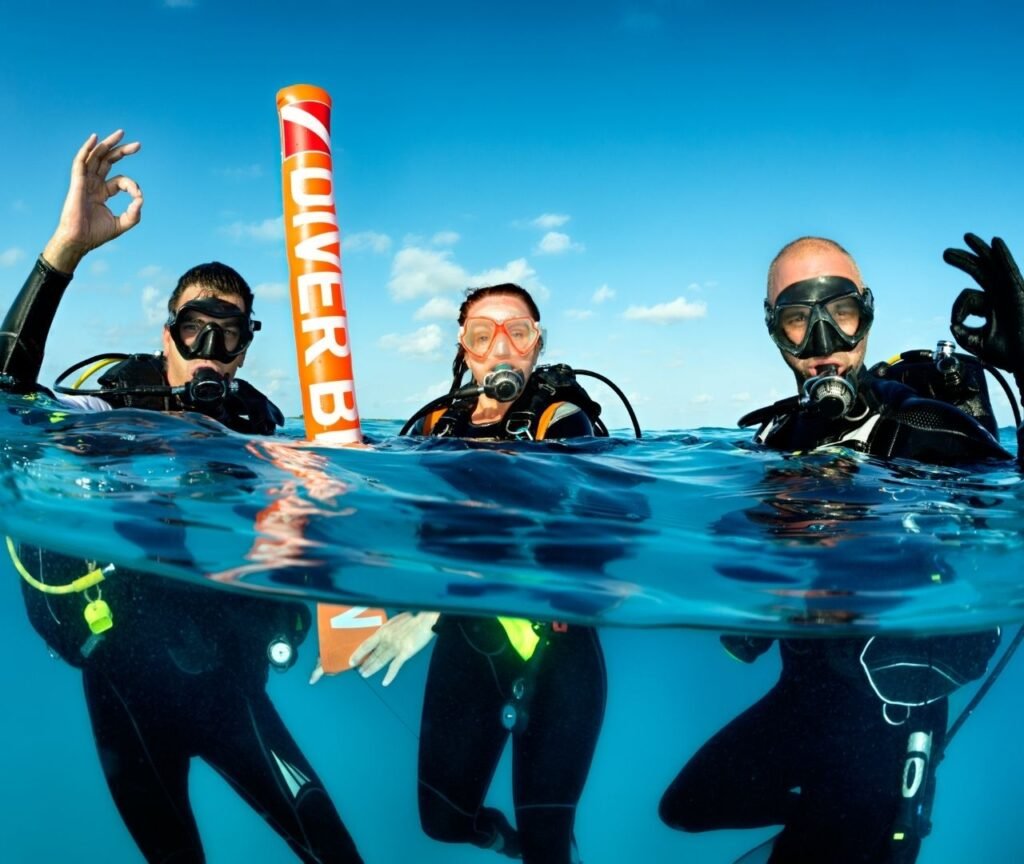
However, Discover Scuba Diving is not the same as Open Water certification. It is an introductory experience rather than a complete recreational diving qualification.
Open Water Diver Course
The Open Water course is the foundation for people who want to become certified recreational divers.
Students learn essential diving theory and practise important skills before completing supervised open-water dives. The course aims to develop the knowledge and practical ability needed to dive within the limits of their certification.
A good training experience should allow enough time to understand each skill. Students should also feel comfortable asking questions and requesting additional practice when needed.
Advanced Open Water Course
Certified divers who want to develop their experience can consider the Advanced Open Water course.
Depending on the training organization and course structure, this level introduces different diving activities and skills. These may include deep diving, underwater navigation, and buoyancy control.
Nusablu’s Advanced Open Water program includes five adventure dives. Deep Adventure Dive and Underwater Navigation Adventure Dive are included as required components.
This training helps certified divers gain experience in different underwater environments. Nevertheless, divers should continue to follow their certification limits and the instructor’s guidance.
Emergency First Response and Rescue Training
Diving safety involves more than controlling buoyancy and using equipment correctly. Divers should also understand how to respond appropriately when an emergency occurs.
Emergency First Response and rescue-related training develops emergency awareness and the skills needed to assist other divers. These abilities are particularly valuable for people who plan to become more active in the diving community.
The goal is to improve preparation and decision-making. With suitable training, divers can learn how to recognize problems and respond according to their training.
Dive Master Training
Dive Master is a professional-level pathway for divers interested in working in the diving industry.
Unlike recreational courses, this program involves greater responsibility. Participants develop knowledge and practical experience related to assisting instructors, organizing dive activities, guiding divers, and working within professional diving standards.
Nusablu describes its Dive Master program as combining theory, practical training, and real-world experience in Nusa Penida. The program generally takes around three to six weeks, depending on the participant’s progress and schedule.
Before enrolling, prospective students should confirm the prerequisites and experience requirements. They should also make sure they can dedicate enough time to professional training.
What Do You Learn in Diving Courses in Bali?
A structured diving course covers several areas of knowledge and practical ability. The exact curriculum depends on the certification level and training organization.
Common learning areas include:
- Scuba equipment and pre-dive checks
- Underwater communication
- Buoyancy control
- Basic dive planning
- Pressure and diving physiology
- Safe ascents and descents
- Underwater navigation
- Emergency procedures
- Marine environmental awareness
- Responsible diving practices
These skills work together to support safer and more informed diving decisions. In addition, regular practice helps students become familiar with their equipment and understand their responsibilities underwater.
Why a Qualified Diving Instructor Matters
A qualified instructor plays an important role throughout the learning process. They explain concepts, observe student performance, identify difficulties, and provide feedback.
Just as importantly, instructors should recognize when students need more practice before progressing. Students should never feel pressured to perform a skill they do not understand.
Nusablu states that its diving programs are supported by PADI-certified instructors. Before booking, ask about instructor qualifications, course requirements, supervision, and the training process.
Clear communication helps students understand what to expect. It also makes it easier to discuss concerns before entering the water.
Is Nusa Penida Suitable for Diving Courses?
Nusa Penida offers an interesting underwater environment, but not every dive site is suitable for every student.
Some areas around the island can experience strong or changing currents. Therefore, instructors should select dive sites according to student experience, certification level, and conditions on the day.
Beginners should not assume that every famous dive site is appropriate for their training. Instead, they should ask the instructor how the location is selected and whether the conditions are suitable.
The right training environment prioritizes student learning and safety. A suitable site allows students to practise the required skills under appropriate supervision.
Equipment Used During Diving Courses
Students typically use a complete scuba setup during training. Depending on the program, equipment may include:
- Mask and fins
- Wetsuit
- Buoyancy control device (BCD)
- Regulator
- Scuba tank
- Weight system
- Dive computer or appropriate monitoring equipment
Nusablu includes full scuba equipment in several of its diving courses. However, inclusions can vary between programs, so students should confirm the details before booking.
Even when equipment is provided, students should learn how to inspect and understand it. Knowing the purpose of each component is an important part of responsible diving.
How Long Do Diving Courses in Bali Take?
Course duration depends on the training level, schedule, and student progress.
An introductory experience usually requires less time than a complete certification course. Meanwhile, advanced and professional programs involve additional training and practical experience.
For example, Nusablu’s Advanced Open Water program is structured over two days. Its Dive Master program generally takes around three to six weeks, depending on progress and scheduling.
Before booking, confirm the course duration, prerequisites, number of dives, daily schedule, and included services. This preparation helps you choose a program that fits your travel plans.
How to Choose the Right Diving Course
The best course depends on your experience, available time, and long-term goals. Before making a decision, consider the following questions:
- Have you tried scuba diving before?
- Do you want an introductory experience or a full certification?
- Do you already hold an Open Water certification?
- Are you interested in advanced recreational diving?
- Do you want to develop professional diving skills?
- How much time can you dedicate to training?
- Are you comfortable with the proposed training environment?
Once you understand your goals, you can compare programs more effectively. Ask the dive center to explain the course requirements, equipment inclusions, and expected schedule.
Most importantly, choose a program that matches your current abilities rather than one that simply promises a quick certification.
Safety Should Come Before Certification
Completing a course should not be treated as a race to obtain a certificate. The main goal is to develop practical skills and understand how to make responsible decisions underwater.
Students should communicate honestly about their comfort level. If a skill is difficult, asking for additional guidance is a normal part of learning.
After certification, divers should continue building experience gradually. They should also respect their training limits, follow instructor guidance, and consider local conditions before each dive.
A responsible approach supports continued learning long after the course has finished.
Best Time to Take Diving Courses in Bali
Diving courses can be arranged during much of the year, depending on availability and sea conditions.
April through November is generally considered a favorable period for marine activities around Nusa Penida. However, conditions can change, and a particular date does not guarantee suitable diving conditions.
For students, the best time is when they can focus on training and when the local conditions are appropriate for their chosen program. Contact the dive center in advance to discuss scheduling and site conditions.
Frequently Asked Questions About Diving Courses in Bali
Are diving courses in Bali suitable for complete beginners?
Yes. Discover Scuba Diving introduces beginners to basic scuba diving under an instructor’s supervision. People who want a full certification can consider the Open Water course.
How long does it take to complete diving courses in Bali?
The duration depends on the course level. Introductory experiences take less time, while advanced and professional programs require more training and practical experience.
Can I take an Advanced Open Water course in Nusa Penida?
Yes. Advanced Open Water training is available in Nusa Penida. However, dive sites should be selected according to the diver’s experience and the conditions on the day.
Do diving courses include equipment?
Many courses include the required scuba equipment, but inclusions vary by program and operator. Confirm the equipment list with the dive center before booking.
Can diving courses lead to professional diving work?
Yes. Divers can progress from recreational certification to advanced, rescue, and professional-level training. Dive Master is one pathway for people interested in developing professional diving skills.