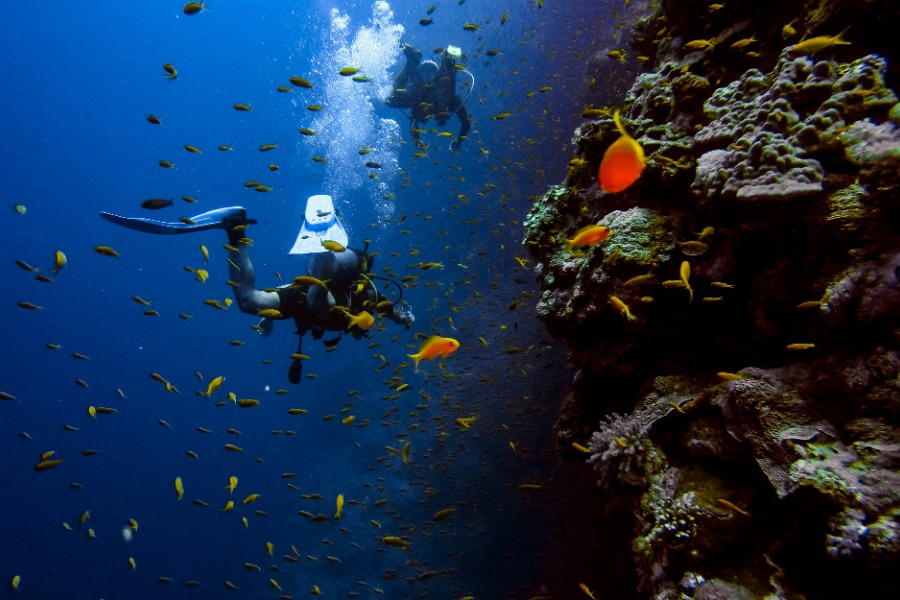
Best Place to Snorkel in Bali: What Makes an Underwater Location Worth Visiting?
Bali is renowned for offering diverse marine environments that invite travelers to explore beneath the waves. However, not every coastal bay or offshore reef provides the same underwater experience. When searching for the best place to snorkel in Bali, looking beyond popular tourist rankings or edited social media photos is essential to planning a rewarding outing.
Water clarity, coral reef conditions, marine life diversity, ease of access, and sea conditions all play crucial roles in determining whether a site suits your trip. Rather than serving as a ranked list of beaches, this guide breaks down the five core environmental and logistical qualities that make Bali snorkeling spots genuinely worth visiting—helping you evaluate destinations independently and choose an experience aligned with your comfort level.
Healthy Coral Reefs: The Foundation of an Interesting Snorkeling Experience
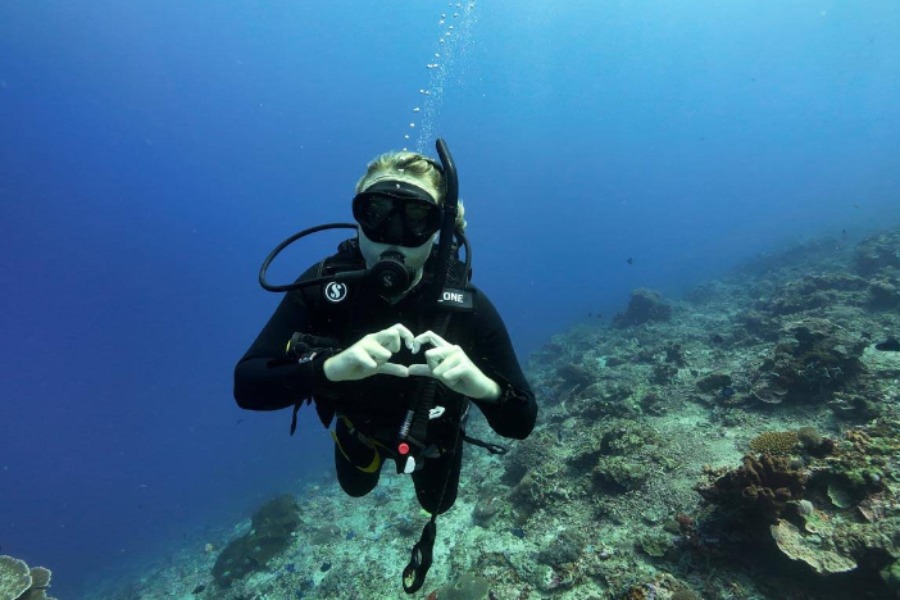
Vibrant, intact coral reefs form the ecological backbone of the best snorkeling in Bali. Far more than colorful underwater scenery, coral reefs are living, three-dimensional structures that provide food, shelter, and nursery habitats for a vast array of marine organisms.
When evaluating coral reef health at a prospective destination, several characteristics stand out:
- Habitat Complexity: Thriving Bali coral reefs feature varied formations—such as branching corals, boulder corals, table corals, and rocky crevices—that create shelter for both tiny reef dwellers and larger passing fish.
- Ecosystem Vitality vs. Degradation: A healthy reef exhibits diverse living coral colonies and active fish populations, whereas degraded reefs often show bleached skeletons, broken rubble from boat anchors or careless fin kicks, and heavy algae overgrowth.
- Depth Accessibility: Because snorkelers remain at the water’s surface, reefs situated in relatively shallow zones allow clear observation of coral textures and marine behavior without requiring freediving skills.
It is important to recognize that healthy coral coverage is an essential indicator of ecosystem quality, yet not every reef is suitable for recreational snorkeling. Some shallow reefs sit too close to the surface at low tide, creating collision risks for swimmers and fragile corals alike.
Underwater Visibility: How Clear Water Affects Your Snorkeling Experience
Good underwater visibility Bali conditions directly shape how clearly you can observe reef formations and marine organisms from the surface. Underwater visibility refers to the horizontal and vertical distance an observer can see clearly beneath the water’s surface.
Several natural factors cause clear water snorkeling Bali conditions to fluctuate from day to day:
- Weather and Rainfall: Heavy tropical downpours wash freshwater and inland sediment from rivers into coastal bays, temporarily clouding nearshore waters.
- Waves and Currents: Strong swells or shifting currents stir up fine sand and silt from the seabed, reducing water transparency.
- Seabed Composition: Rocky coastlines and established reef structures generally maintain better clarity than fine muddy or silty bottoms.
- Surface vs. Subsurface Appearance: Water that appears calm and transparent from a beach or boat deck can still hold suspended plankton or sediment layers just below the surface.
Because marine environments are dynamic, water clarity changes with tides, wind direction, and seasonal weather. Checking recent local sea conditions before heading out is always more reliable than assuming constant visibility.
Marine Biodiversity: What Can You Discover Underwater?
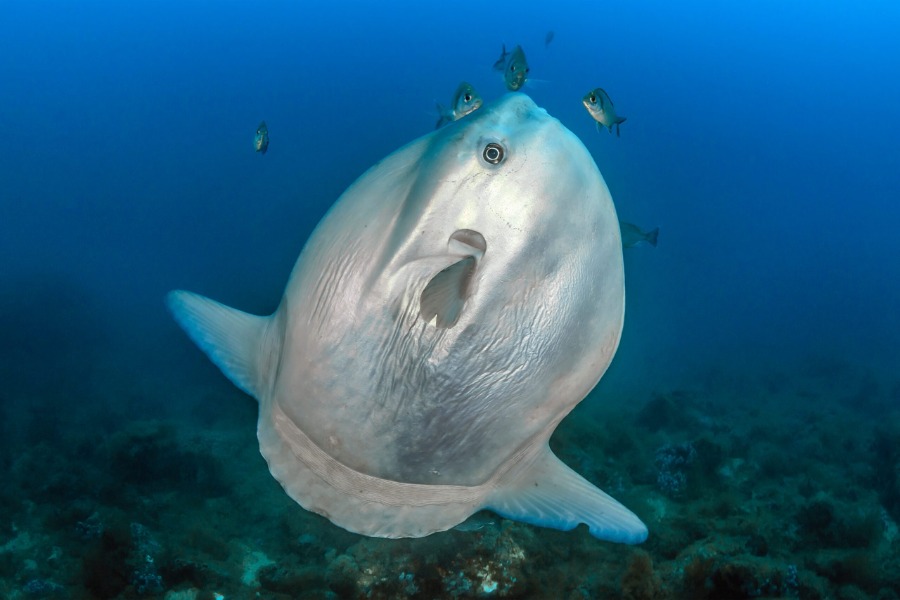
A memorable snorkeling experience Bali visitors enjoy is closely tied to underwater biodiversity. High marine biodiversity Bali environments feel alive with ecological activity, offering far more than static underwater landscapes.
When exploring a healthy tropical marine ecosystem, snorkelers often encounter:
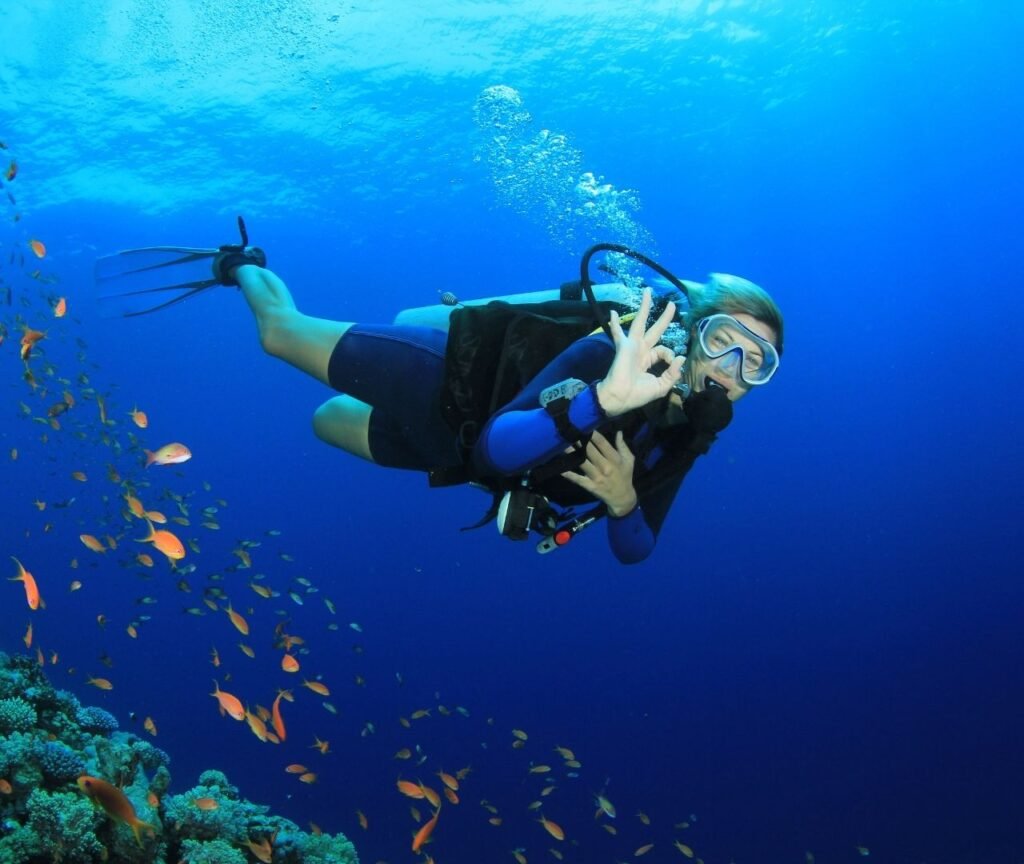
- Diverse Reef Fish Communities: Schools of damselfish, butterflyfish, angelfish, wrasse, and parrotfish moving among coral heads indicate a functioning, well-balanced habitat.
- Bottom-Dwelling Invertebrates: Starfish, sea urchins, feather stars, giant clams, and sea anemones tucked into reef crevices reward slow, attentive observation.
- Ecological Interactions: Watching herbivorous fish graze on algae or cleaner wrasses tend to larger reef fish adds deeper educational value to time spent floating at the surface.
Because marine animals move freely across open habitats, wildlife sightings can never be guaranteed on any given day. Observing marine life in Bali responsibly means maintaining a respectful distance, keeping hands to yourself, and never chasing or crowding aquatic creatures.
Accessibility: Is the Snorkeling Location Easy to Reach?
Even the healthiest reef can become frustrating if reaching the water is overly difficult or poorly matched to your physical comfort. Evaluating snorkeling accessibility involves examining both overland travel and water entry logistics:
- Shore Entry vs. Boat Access: Some Bali snorkeling locations allow direct entry from a sandy beach, offering flexibility to pace your session independently. Other offshore reefs require local boat transfers, piers, or ladders to reach deeper coral gardens.
- Entry and Exit Terrain: Beaches lined with sharp coral rubble, slippery rocks, or sea urchins require sturdy water shoes and careful footing when entering or exiting the surf.
- On-Site Facilities: Practical amenities—such as freshwater rinse showers, restrooms, shaded rest areas, and secure storage for dry belongings—greatly improve overall comfort before and after your swim.
An underwater site with remarkable marine scenery may still involve steep rocky entries or long surface swims, making it vital to match site logistics with the physical needs of everyone in your group.
Water Conditions: Why Sea Conditions Matter Before Snorkeling
Understanding Bali coastal waters and daily sea conditions is essential for both enjoyment and personal safety. Even confident swimmers can find an outing exhausting if water movement exceeds their skill level.
Currents and Water Movement
Ocean currents transport nutrients across reefs, yet strong or unpredictable currents can quickly tire surface swimmers or carry them away from exit points. Checking current direction and strength helps ensure your swim remains relaxed and manageable.
Waves and Surface Conditions
Choppy surface water and breaking shore waves make entering and exiting the water more challenging, while splashing water into snorkel tubes. Sheltered bays protected from open-ocean swells generally provide calmer surface conditions than exposed headlands.
Weather and Tidal Changes
Tidal shifts alter water depth over shallow coral reefs and influence current speed throughout the day. An incoming high tide often brings cleaner offshore water into coastal bays, whereas low tide may leave shallow corals exposed or difficult to cross safely.
Always consult current marine forecasts and follow the guidance of qualified local operators or guides rather than relying solely on a destination’s general reputation.
What Makes a Snorkeling Location Suitable for Different Experience Levels?
Different snorkeling conditions suit different types of travelers. Matching the underwater environment to participant skill levels ensures a positive outing for everyone:
- Snorkeling for Beginners Bali: First-time snorkelers benefit most from calm, sheltered bays with gentle sandy entries, shallow depths, mild currents, and attentive guide supervision.
- Intermediate and Experienced Swimmers: Seasoned snorkelers with strong swimming fitness and proper flotation gear may feel comfortable exploring deeper reef drop-offs or gentle drift sites under local guidance.
- Equipment and Briefing Support: Properly fitted masks, snorkels, fins, and buoyancy vests—paired with clear pre-swim safety briefings—help participants of all backgrounds stay relaxed in the water.
How to Evaluate a Snorkeling Destination Before Visiting
Before committing to a tour or traveling across the island for Bali underwater exploration, review each prospective site using this practical evaluation checklist:
| Evaluation Factor | What to Look For |
| Coral reef conditions | Healthy reef habitats and responsible visitor practices |
| Water visibility | Clear underwater views under suitable conditions |
| Marine biodiversity | A variety of marine organisms and habitats |
| Accessibility | Practical and suitable entry or boat access |
| Water conditions | Appropriate currents, waves, and weather |
| Visitor support | Available guidance, equipment, and safety information |
Note: Use this checklist as a general evaluation framework to compare options and ask informed questions before your trip.
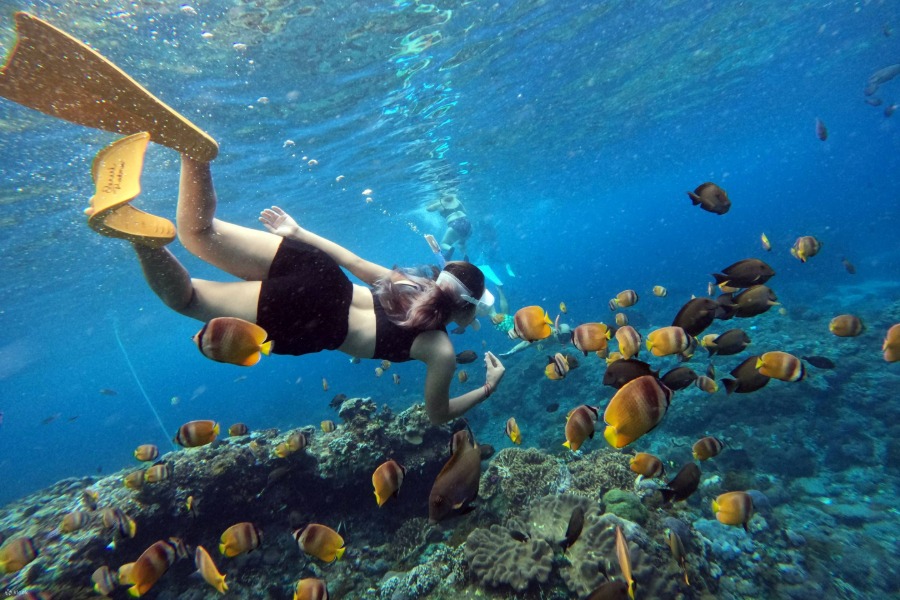
Protecting Bali’s Underwater Environment While Snorkeling
Preserving underwater scenery Bali offers requires every visitor to practice low-impact habits in the water:
- Never Touch or Stand on Coral: Coral polyps are fragile living animals that can be killed by a single touch or fin kick. Always maintain horizontal buoyancy well above the reef.
- Do Not Chase or Feed Marine Life: Allow fish, sea turtles, and other marine organisms to move naturally without interference.
- Keep Gear Properly Adjusted: Secure loose straps, adjust fins in waist-deep water, and avoid dragging equipment across the seabed.
- Prevent Marine Pollution: Never leave litter behind and opt for reef-safe mineral sunscreen or UV-protective rash guards to minimize chemical runoff.
- Follow Local Rules and Guides: Respect designated swimming zones, marine park regulations, and instructions from responsible local operators.
Finding the Best Place to Snorkel in Bali for Your Travel Style
Ultimately, identifying the best place to snorkel in Bali requires looking at the complete picture—balancing coral reef health, underwater visibility, marine biodiversity, practical accessibility, and safe sea conditions rather than relying on popularity alone.
By matching a destination’s environment to your swimming confidence, comfort needs, and interest in marine ecology, you can plan a rewarding underwater outing. Before heading out, take time to check current sea conditions, research responsible local snorkeling providers, and confirm site logistics so you can explore Bali’s coastal waters safely and respectfully.
Frequently Asked Questions (FAQ)
1. What Makes a Good Snorkeling Spot in Bali?
A worthwhile snorkeling location combines healthy coral reef ecosystems, clear underwater visibility, diverse marine life, practical entry or boat access, and calm, manageable sea conditions matched to your swimming ability.
2. Does Clear Water Always Mean a Good Snorkeling Location?
No. While water clarity improves visual enjoyment, clear water alone does not guarantee thriving coral reefs, abundant fish life, easy shore access, or safe currents and wave conditions.
3. Why Are Healthy Coral Reefs Important for Snorkeling?
Healthy coral reefs provide essential food and shelter for tropical fish and marine invertebrates. Intact, diverse coral formations create far richer underwater ecosystems to observe than damaged or bleached reefs.
4. What Is the Best Water Condition for Snorkeling in Bali?
Ideal snorkeling conditions generally include calm surface water, minimal shorebreak waves, gentle or predictable currents, clear visibility, and favorable weather. Because ocean conditions change daily, always check local forecasts before entering the water.
5. Can Beginners Enjoy Snorkeling in Bali?
Yes. Beginners can enjoy snorkeling comfortably by choosing sheltered bays with easy sandy entries, wearing properly fitted gear and flotation aids, and joining guided sessions with experienced local instructors.
6. How Can I Check Sea Conditions Before Going Snorkeling?
You can check marine weather, wind, and tide forecasts online, and confirm real-time visibility, wave, and current conditions directly with local dive or snorkeling operators before your trip.