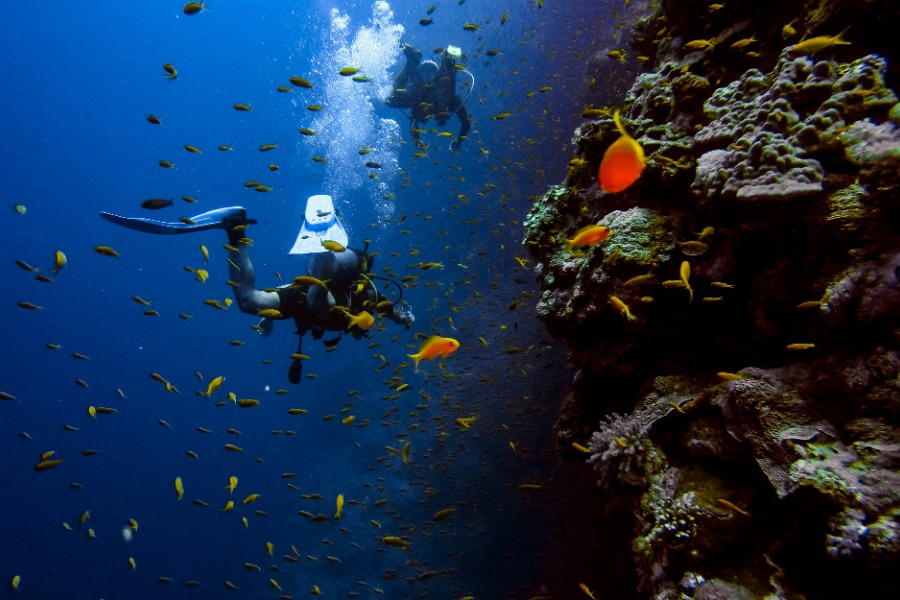
Dive Centre Nusa Penida: What Happens Behind a Professionally Guided Dive?
Nusa Penida is widely recognized as one of the premier destinations for diving in Nusa Penida and broader underwater exploration across Bali. Yet an organized, rewarding scuba excursion depends on far more than the reef topography or marine life waiting beneath the surface. Behind every smooth boat departure and underwater tour lies a structured operational workflow managed by the facility’s staff and dive leaders.
Before divers even step onto a boat or enter the water, a reputable dive centre Nusa Penida executes several coordinated stages—from inspecting life-support gear and assessing local currents to grouping divers by certification level and conducting thorough safety briefings. Understanding these scuba diving operations helps prospective divers know what to expect, recognize professional standards, and participate responsibly throughout their trip.
Preparing Diving Equipment Before the Trip
Proper scuba diving preparation begins at the dive shop well ahead of boat departure. Whether divers bring their own gear or rent equipment on-site, thorough preparation ensures that every component fits correctly and functions reliably before reaching open water.
Key steps during dive equipment inspection and fitting typically include:
- Sizing and Selecting Core Gear: Staff help divers select properly fitting masks, fins, exposure suits, buoyancy control devices (BCDs), regulators, and scuba cylinders suited to their body size and thermal comfort.
- Physical Condition Checks: Prior to loading boats, staff or divers inspect hoses for wear, verify O-ring integrity, check strap buckles, and inspect cylinder valves and pressure ratings.
- Functional Testing: Regulators are connected to cylinders to verify smooth breathing airflow, test alternate air sources, check submersible pressure gauges (SPGs), and confirm that BCD power inflators inflate and deflate properly.
- Orientation for Rental Equipment: Because BCD release mechanisms, weight pocket systems, and computer interfaces vary across brands, staff walk divers through how to operate unfamiliar rental gear before departure.
While these dive safety checks reflect standard industry practices, exact inspection routines and pre-trip equipment checklists vary depending on each operator’s internal protocols.
The Pre-Dive Briefing: Understanding the Plan Before Entering the Water
Once divers arrive at the dive site—or aboard the boat en route—the dive leader conducts a pre-dive safety briefing. Far more than an administrative routine, this briefing aligns every member of the group around shared expectations, environmental conditions, and emergency protocols.
A thorough briefing generally covers:
- Dive Plan and Objectives: An overview of the site layout, planned route, maximum depth limits, and estimated bottom time.
- Entry and Exit Procedures: Clear instructions on how divers will enter the water (such as a giant stride or backward roll) and how they will safely exit back onto the boat or shore at the end of the dive.
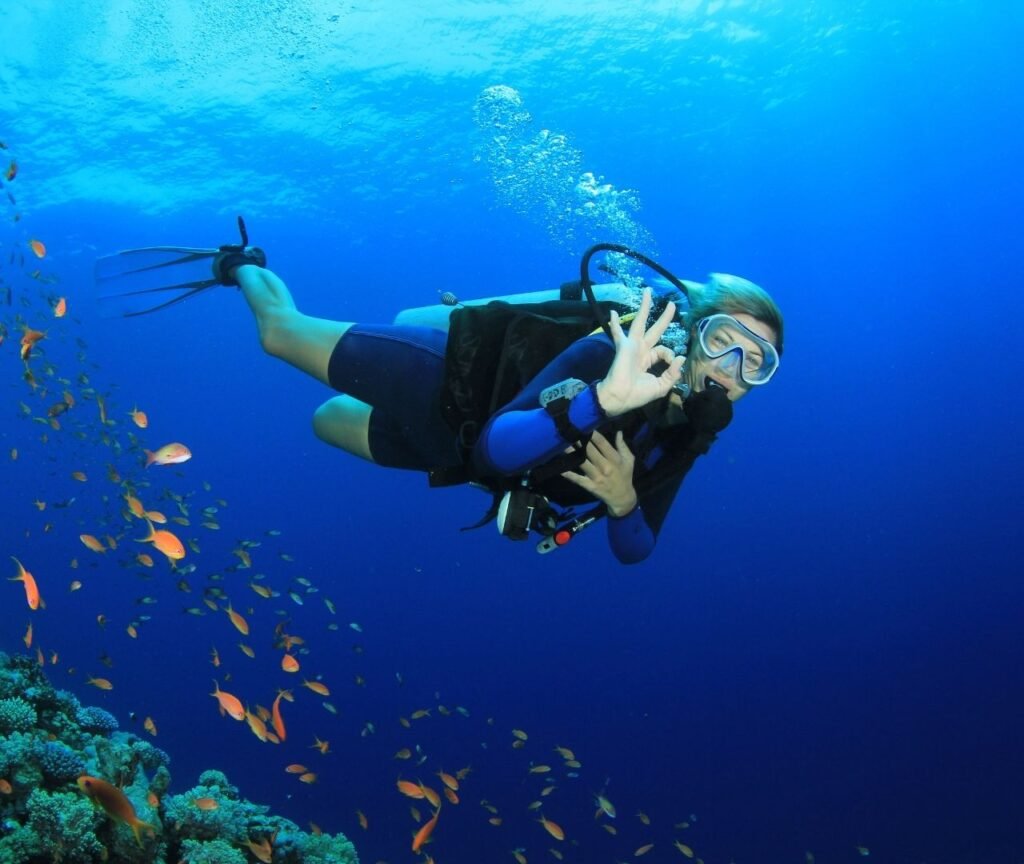
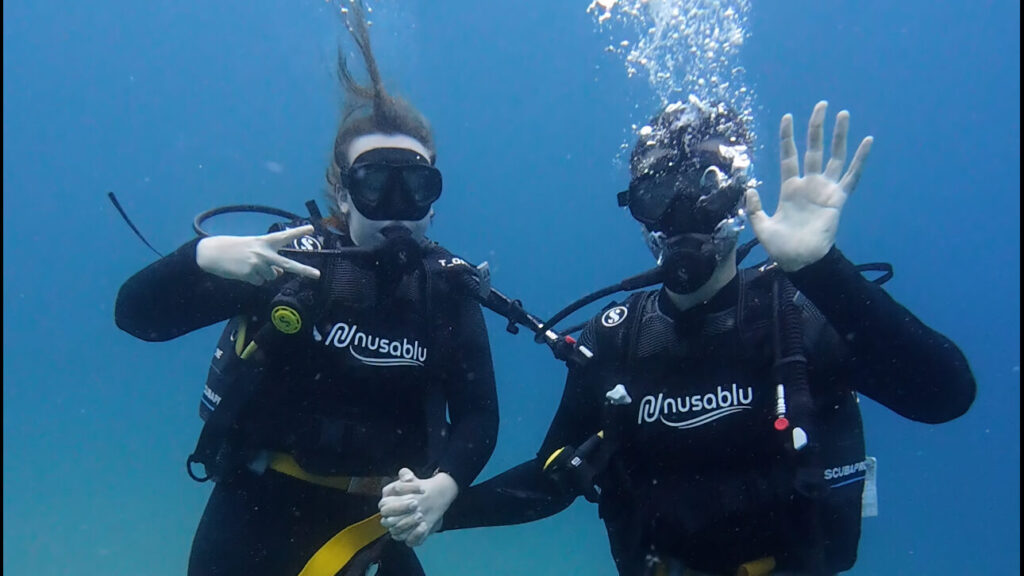
- Underwater Hand Signals: Review of standard hand signals for checking air supply, indicating equalization or comfort issues, signaling low air, and initiating ascents.
- Lost-Buddy and Emergency Protocols: Step-by-step procedures outlining what divers should do if separated from their buddy or group, alongside safety stop expectations before surfacing.
- Personal Limits and Environmental Etiquette: Reminders to monitor personal air consumption, maintain neutral buoyancy above delicate corals, and stay within certification limits.
Why Clear Communication Matters Underwater
Because verbal speech is impossible underwater without specialized full-face communication gear, divers rely entirely on visual signals, light cues, and pre-agreed plans. Confirming signals and procedures during the briefing eliminates ambiguity beneath the surface and allows the group to respond calmly if plans need to adjust mid-dive.
Organizing Divers Into Suitable Groups
Thoughtful dive group management plays a major role in keeping underwater excursions comfortable and well-paced. Rather than placing every guest into a single large group regardless of background, a professional dive centre organizes divers based on complementary profiles.
Factors considered during group organization include:
- Certification Level and Logged Experience: Entry-level divers are typically grouped separately from advanced or deep-certified divers whose planned profiles may involve greater depths or drift techniques.
- Recent Dive Activity: Divers returning to the water after a long break may be paired with guides who maintain a slower, more observant pace.
- Individual Comfort and Equipment Needs: Photographers, divers testing newly rented gear, or guests requesting extra support are matched with appropriate group dynamics.
- Clear Guide Identification: Before entering the water, divers confirm exactly who their assigned professional diving guide is, ensuring everyone knows whom to follow throughout the session.
The Role of a Dive Guide During Group Activities
During a guided diving experience, the dive guide leads navigation, sets an appropriate swimming pace, monitors group cohesion, and conducts periodic air and comfort checks. However, certified divers remain responsible for monitoring their own air supply, depth, buddy proximity, and personal comfort. Exact guide-to-diver ratios depend on local conditions, diver experience levels, and each operator’s internal policies.
Assessing Sea Conditions Before the Dive
Water movement around Nusa Penida is dynamic, influenced by open-ocean swells, tidal shifts, and deep-water channels. Conducting a careful sea condition assessment before committing to a dive plan is one of the most important responsibilities of a dive centre and its boat crew.
Before and upon arriving at a site, staff evaluate:
- Currents and Tidal Flows: Assessing current speed, direction, and whether tidal shifts could create downward or outward water movement.
- Surface Waves and Swell: Checking entry and exit safety near rocky coastlines or boat ladders.
- Weather and Wind Forecasts: Monitoring squalls, wind shifts, and surface visibility for boat navigation.
- Underwater Visibility: Evaluating whether suspended sediment or plankton affects group visual contact underwater.
Why Dive Plans May Change at the Last Minute
Because marine conditions change rapidly, an operator may adjust the planned dive site, modify the entry point, postpone departure, or cancel a dive altogether if actual conditions exceed safe parameters. Rather than viewing a last-minute route change as an inconvenience, experienced divers recognize it as a hallmark of responsible scuba diving safety procedures that prioritize diver well-being over rigid schedules.
What Happens During a Guided Dive?
Once the group enters the water and completes initial surface buoyancy and regulator checks, the dive transitions into its underwater phase. While actual execution depends on site conditions and diver certification levels, underwater dive supervision generally follows a coordinated rhythm:
- Controlled Descent: The guide leads a gradual descent, allowing divers time to equalize ear pressure comfortably and establish neutral buoyancy.
- Following the Planned Route: Divers swim calmly behind or alongside the guide in buddy pairs, maintaining steady spacing without crowding the reef or each other.
- Periodic Checks: Throughout the dive, the guide checks in visually with participants to verify remaining air pressure and overall comfort.
- Adaptability Underwater: If current patterns shift or a diver signals low air or fatigue, the guide adjusts the route or initiates a controlled ascent to a safety stop.
- Controlled Ascent and Surface Exit: At the conclusion of the dive, the group ascends slowly, completes a safety stop as briefed, deploys a surface marker buoy (SMB) when required, and boards the boat in an orderly sequence.
Post-Dive Procedures: What Happens After Returning to the Surface?
A dive centre’s operational responsibilities continue even after divers climb back aboard the boat and return to the shop. Structured post-dive routines keep equipment maintained and help divers close out their session properly.
Typical post-dive steps include:
- Headcount and Surface Check-In: Crew and guides immediately confirm that every diver has exited the water safely and check on each participant’s physical comfort.
- Equipment Collection and Rinsing: Staff secure scuba cylinders, collect rental gear, and rinse regulators, BCDs, and exposure suits in freshwater tanks back at the centre to prevent salt buildup.
- Logbook Recording: Guides review maximum depth, bottom time, and notable observations so divers can record accurate entries in their personal dive logs.
- Participant Feedback: Divers have an opportunity to ask questions, discuss buoyancy or equalization experiences, and share feedback with staff.
Why a Post-Dive Review Is Valuable
Taking a few minutes for a post-dive evaluation helps divers reflect on what went well, clarify any minor challenges encountered underwater, and prepare adjustments—such as weight refinements or breathing pacing—before their next dive. While some operators offer informal group debriefs over refreshments, formal written reviews vary depending on whether the trip is a recreational fun dive or a structured training course.
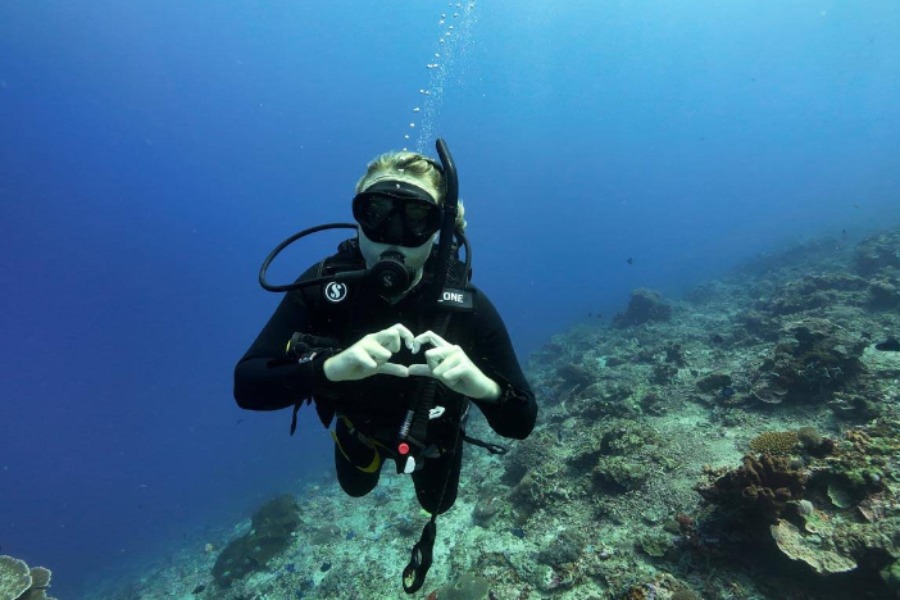
What Should Divers Expect From a Professional Dive Centre in Nusa Penida?
When planning Nusa Penida scuba diving excursions, prospective guests can look at how smoothly an operator manages each phase of the day. The table below summarizes the key operational stages and what divers can generally look for:
| Dive Centre Process | What Divers Should Expect |
| Equipment Preparation | Physical and functional checks of gear, proper sizing, and clear explanation of rental equipment controls |
| Pre-Dive Briefing | Clear overview of the dive plan, depth/time limits, entry/exit steps, hand signals, and buddy protocols |
| Group Organization | Thoughtful grouping based on certification level, recent dive experience, and personal comfort |
| Sea Condition Assessment | Active evaluation of currents, tides, waves, and visibility with willingness to adjust plans when needed |
| Guided Dive | Structured navigation, regular air and comfort checks, and coordinated group pacing underwater |
| Post-Dive Review | Prompt surface headcount, freshwater gear rinsing, logbook details, and open post-dive communication |
Note: This table outlines general industry benchmarks; specific workflows and amenities vary across individual dive operators.
Choosing a Dive Centre for Your Nusa Penida Diving Experience
Selecting a reliable dive centre Nusa Penida operator comes down to transparency, clear communication, and consistent attention to operational detail. Before booking your dives, consider asking a few practical questions:
- How are divers grouped according to certification level and recent diving experience?
- What pre-dive briefing and equipment inspection procedures are followed before boat departures?
- What qualifications and local experience do the dive guides hold?
- How does the team monitor sea conditions, and what is the policy if sites need to be changed due to currents or weather?
- What equipment is included in the trip rate, and how is rental gear maintained?
Taking time to confirm these operational details helps you select a dive centre that matches your experience level and prioritizes structured, well-managed diving experience in Bali outings.
Frequently Asked Questions (FAQ)
1. What Should I Expect During My First Visit to a Dive Centre in Nusa Penida?
During your initial visit, staff typically verify your diving certification card and logbook, review medical and liability forms, fit you for rental equipment, confirm your experience level, and outline the schedule for boat departure and briefings. Exact check-in flows vary by operator.
2. Why Do Dive Centres Check Equipment Before Every Dive?
Inspecting and testing regulators, BCDs, hoses, and cylinder pressure before every dive ensures equipment functions properly, confirms accurate tank fills, and identifies potential wear or leaks before divers enter the water.
3. What Information Is Usually Included in a Pre-Dive Briefing?
A pre-dive briefing typically covers site topography, planned depth and bottom time limits, entry and exit techniques, standard hand signals, lost-buddy procedures, safety stop rules, and local environmental guidelines.
4. How Does a Dive Guide Decide Which Divers Should Be in the Same Group?
Dive centres generally group divers by certification level, number of logged dives, how recently they last dived, and personal comfort preferences so everyone dives at a compatible pace and profile.
5. Can a Dive Centre Change the Planned Dive Location?
Yes. Dive centres routinely adjust planned dive sites if shifting currents, swells, tides, or weather make the original site unsuitable for the group’s certification level or safety standards.
6. What Happens If the Sea Conditions Are Not Suitable for Diving?
If sea conditions exceed safe operational limits, the dive centre may relocate to a more sheltered site, delay departure until tidal conditions improve, or reschedule/cancel the trip in accordance with their weather policy.
7. Do I Need to Tell the Dive Centre About My Diving Experience Before the Trip?
Yes. Sharing accurate details about your certification level, total logged dives, date of your last dive, and any areas where you feel rusty allows the operator to assign an appropriate group and provide extra support if needed.
8. What Should I Do If I Feel Uncomfortable During a Guided Dive?
Before entering the water, inform your guide of any nervousness or physical concerns. Underwater, immediately use the agreed hand signals to get your guide’s or buddy’s attention so they can pause, assist you, or initiate a controlled ascent together.
9. What Happens After a Scuba Diving Session Is Completed?
After surfacing, the crew conducts a headcount, helps divers back aboard, checks everyone’s well-being, collects and rinses gear back at the shop, shares dive profile details for logbooks, and offers time to discuss the dive.
10. How Can I Tell If a Dive Centre Follows Responsible Diving Practices?
Indicators of responsible practices include transparent pre-trip communication, thorough equipment checks, comprehensive briefings, conservative site selection based on sea conditions, appropriate group sizes, and strict adherence to reef-protection rules.