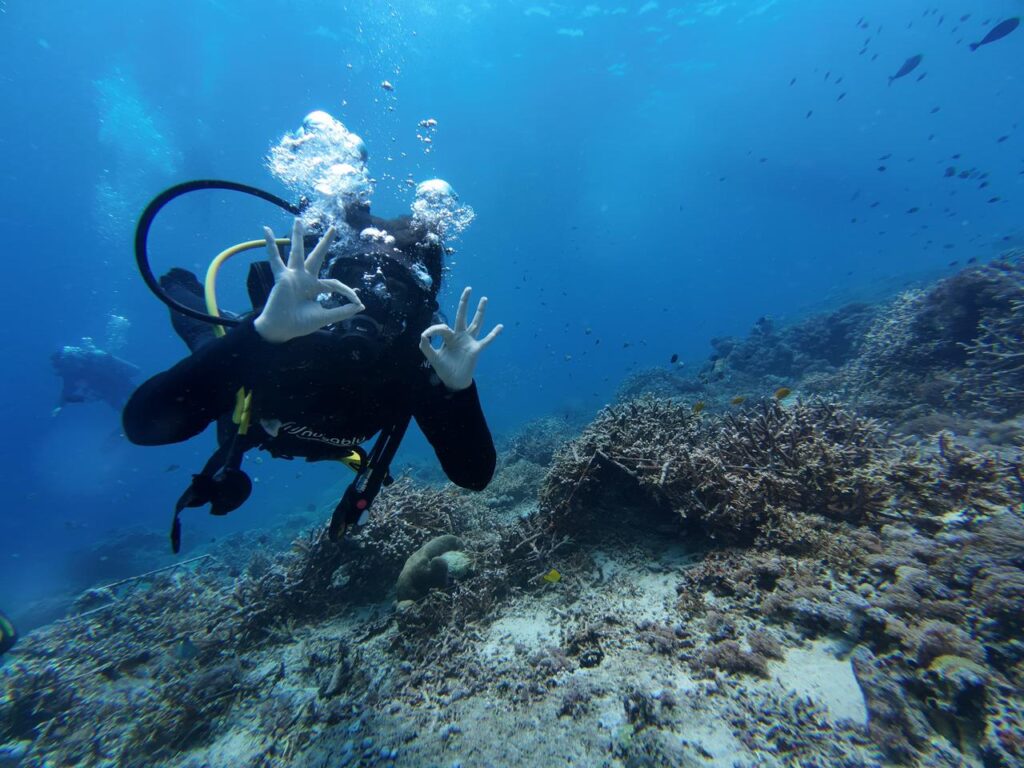
How to Become a Pro Scuba Diving in Bali
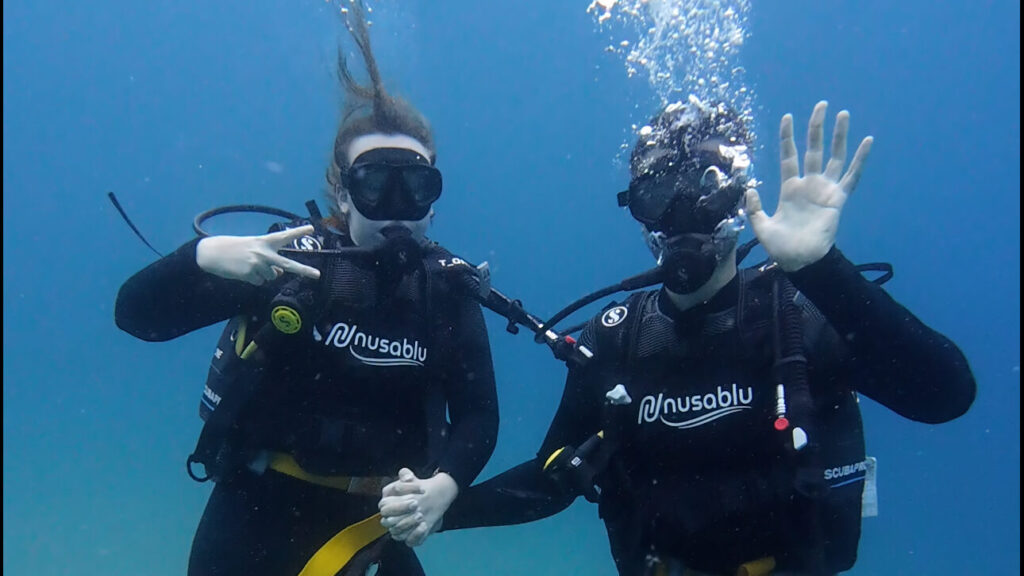
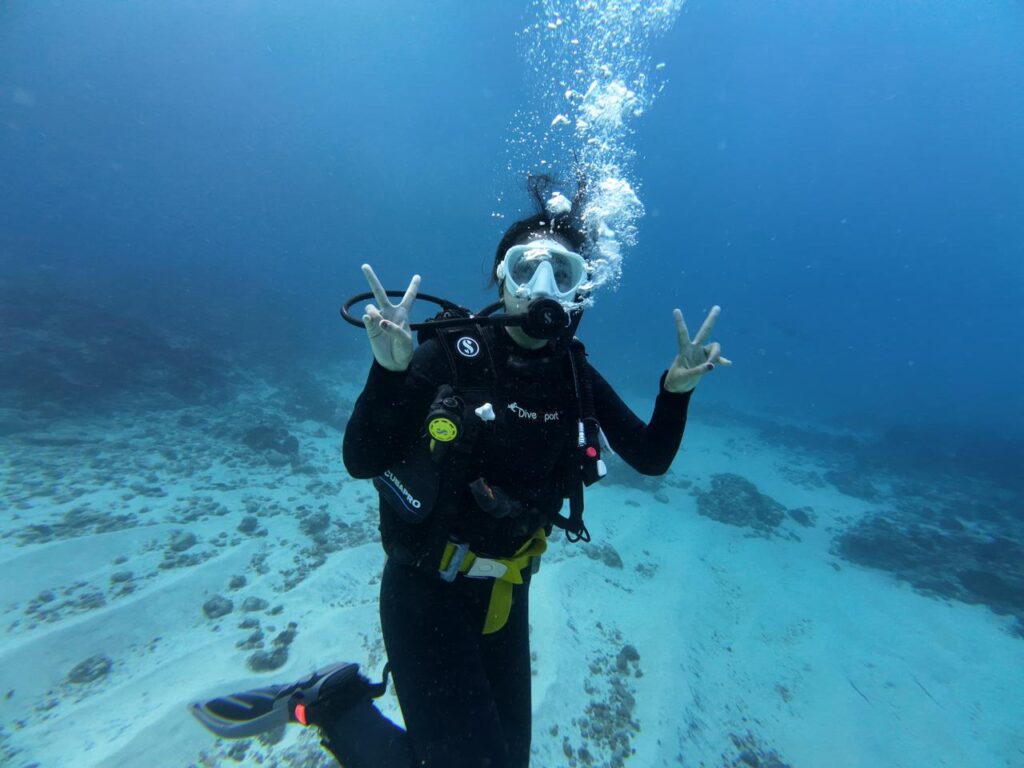
The experience of developing a confident and knowledgeable scuba diver takes time and is greatly enhanced by real experience under the ocean’s surface. Many travelers flock to Bali because there are warm and clear waters with a large variety of fish species. Whether a beginner or a professional scuba diver, scuba diving in Bali provides an environment that is well-suited to improving skills while enjoying beautiful underwater scenery. With Nusablu’s guidance, divers can establish solid foundations based on safety, comfort, and respect for the ocean.
Start with Good Proper Training and Mindset
Professional instructors provide you with the support to develop your breathing control, buoyancy, communication underwater, and emergency awareness. A scuba diving instructor will help you understand theory before you go into the ocean for your first time. Visitors want to start scuba diving in Bali but many do not realize how important theory classes are before they begin diving. Learning about pressure, equalization, and how your equipment will operate means you will be more comfortable during your first dive and it will also enable you to have a successful experience.
In addition to technical skills, having a peaceful mindset while diving is essential. Calm, slow-moving divers typically breathe normally, remain aware of their environment, and are considered to be experienced. The two most common mistakes made by novice scuba divers are to panic and/or be rushed, but both of these issues can be resolved through proper training and effective supervision.
Choose the Right Learning Environment
Not every diving site provides a good diving courses in Bali. Having a calm current, good visibility, and varying depths helps beginners to become better divers. For this reason, many instructors say it is one of the best scuba diving in Bali for learning how to dive. With protected reefs and many different dive sites, you can practice diving with your instructor before attempting to dive more advanced underwater environments.
There is an advantage to being educated at a smaller training center, as it often results in a better outcome due to individual guidance from trainers. With individual attention, trainers can correct your form, breathing pattern, and movement of your fins before you form a bad habit, and it’s too late to correct.
Build Skills Step by Step
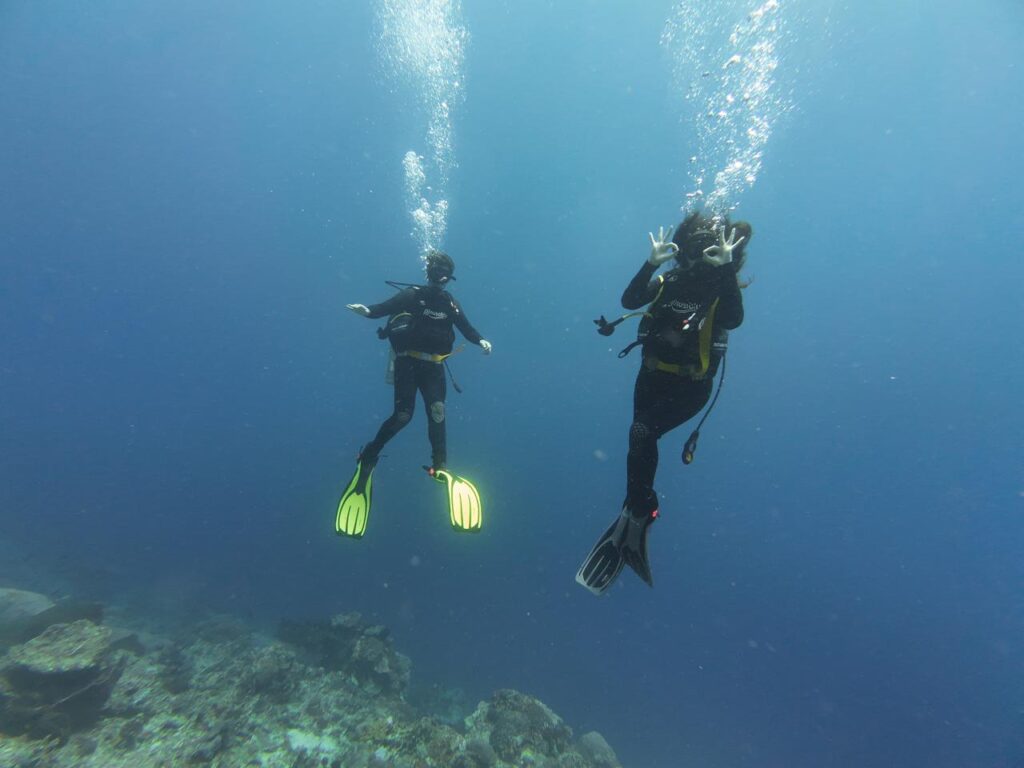
Progress in diving should be as smooth, flowing, and seamless as possible. An effective training path typically begins with shallow water, where students build their confidence with the gear setup and basic buoyancy control. As they grow in confidence, their depth and skill levels increase gradually. This logical progression is a main feature of all reputable diving courses in Bali and is an important factor in ensuring that all divers complete each stage of the course feeling absolutely prepared, instead of feeling lost and overwhelmed.
Hovering without contacting the coral, calmly clearing your mask, and sharing air with your dive buddy are vital safety habits. Being proficient in these basic skills will distinguish relaxed divers from nervous ones.
Respect Marine Life and the Environment
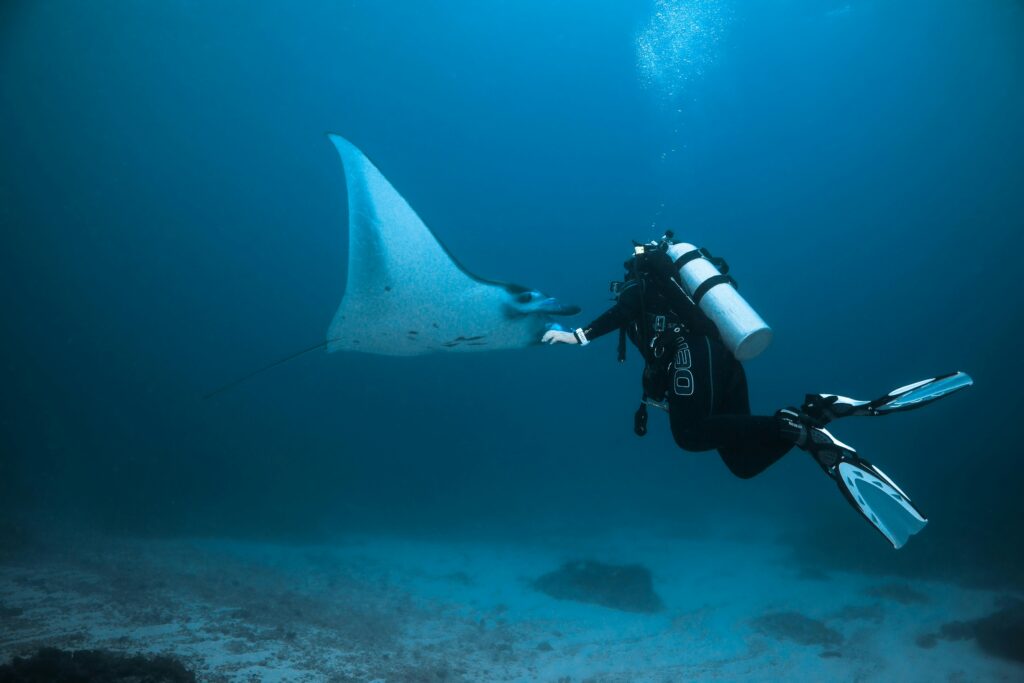
Diving well is not simply a matter of being a good diver, it is also about doing your part for nature. Coral reefs are ecosystems that can be harmed by the careless movement of a diver through or on them. Proper buoyancy and the ability to control your fins help to protect the delicate habitats that live there.
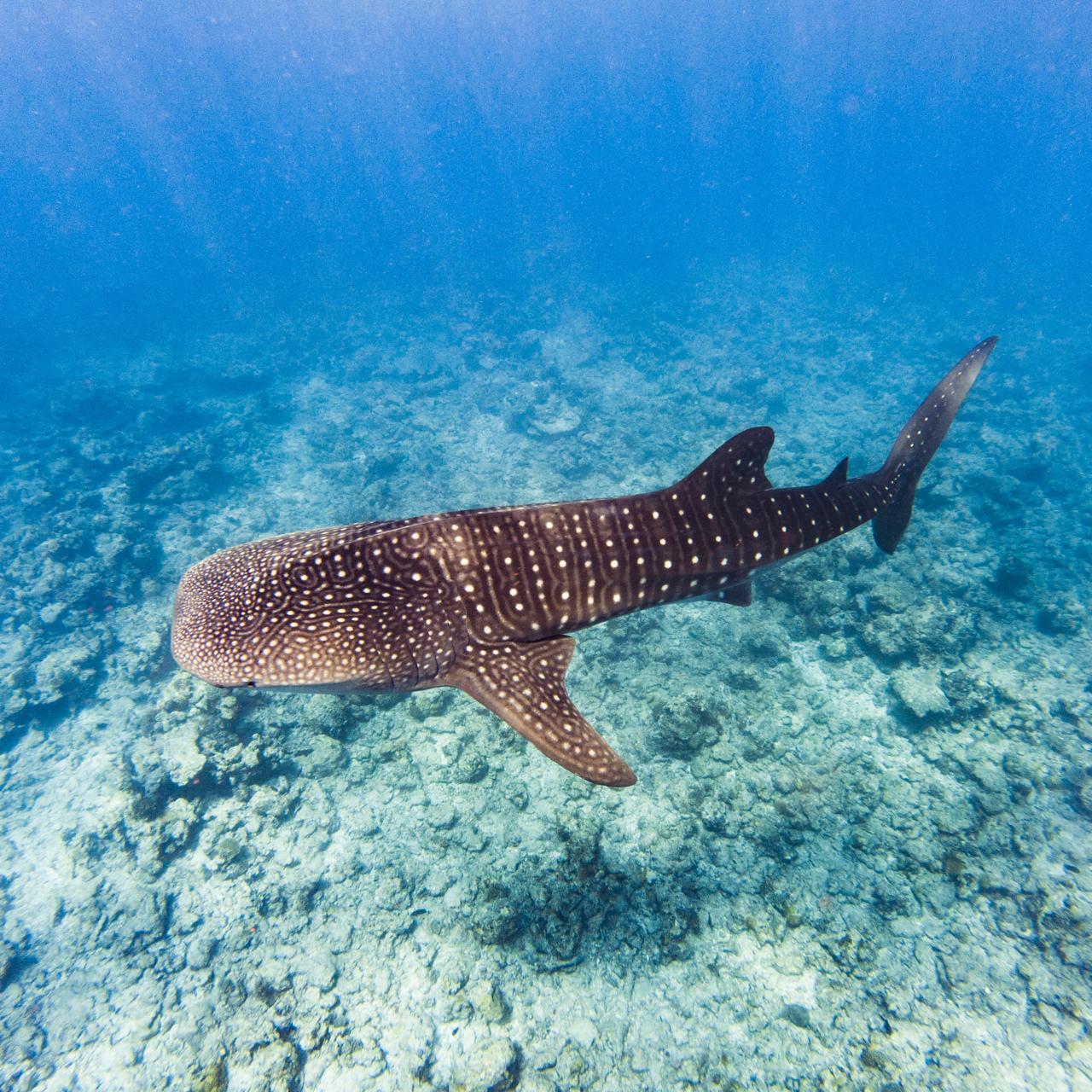
Many people envision beautiful coral reefs, exquisite sea creatures, and bright turquoise oceans when searching for scuba diving in Bali. To ensure that future generations will also have the opportunity to explore these amazing habitats, scuba divers must be mindful of their actions according to established ethical standards, not directly contacting marine life, refraining from standing on coral, avoiding disturbing them, and reducing plastic waste. Following these ethical standards makes it possible for the next generation to see Bali’s incredible marine ecosystems.
Improve Buoyancy and Breathing Control
Beginner divers may have difficulty distinguishing between buoyancy control by only using the forward and backward motion of their hands, whereas experienced divers use the slow movement of their feet to create a fluid motion through the water. The controlled breathing decreases air consumption and allows the diver to ascend and descend smoothly. The constant practice of these techniques while scuba diving in Bali helps newer divers to see clear changes from one dive to another. By making subtle adjustments in your posture or breathing pattern, you will greatly increase your enjoyment of your underwater experience.
Learn from Every Dive Experience
Every diving courses in Bali teaches something, including for even experienced divers, as the conditions of current depth, and visibility vary greatly between dive sites. Reflecting on your learning after each dive, you’ll be able to identify what you’ve learned and allows you to grow in confidence as a diver.
Many divers choose to take multiple trips back to Bali for future certification, due to this continued opportunity to progress their training through experiences ranging from greater depths to various wrecks, different diving sites, and different diving hours of the day. In continuing education, divers maintain a safe yet stimulating environment in which to enjoy themselves while establishing new friendships and contacts throughout their diving career.
Dive with the Right Team
Your diving buddy and instructor will greatly affect your development as a diver. With support from your instructor and buddy, you can learn in a relaxed atmosphere, where you have the ability to ask questions and make mistakes, and learn from them. Safety briefings, equipment checks, and communication between divers are the priorities of a professional dive centre in Nusa Penida before entering the marine environment.
The helpful aspect of scuba diving in Bali is one reason why so many novice scuba divers from around the world continue to be attracted to this beautiful island. The feeling of security prevents a novice diver from worrying about the technical aspects of diving, thus allowing them to fully enjoy the underwater experience.
Prepare Physically and Mentally
When diving, individuals who are healthy and fit will provide greater comfort while diving than those who are not fit or healthy. It’s not a requirement to be an athlete, but consistent, relaxed breathing, movement, and body position will help make your diving experience much more enjoyable. In addition, a good night’s sleep before you begin a dive will aid in both concentration and preventing fatigue. Preparation is also important when it comes to mental readiness. Confidence is built through preparation rather than by chance. A calm confidence while diving begins with reviewing plans before the dive, knowing the signals to communicate with other divers, and trusting your training to prepare you.
Read More: A Guide to Choosing a Trusted Dive Resort in Bali
Continue Exploring Safely
Many people want to dive deeper or into more exciting areas after they earn their diving certification, while being able to advance as a diver can be exciting, safety should continue to be the top priority. To remain safe, proper training, familiarity with all new equipment, and regular practice of your diving abilities are important to continue developing as a diver.
Every time a diver continues to return for scuba diving in Bali, there is always something new and exciting to see underwater. Every time you visit different dive sites, you will see different kinds of marine life along with completely different light conditions. Exploring one area over and over again while maintaining a good level of environmental care will create a good diver overall.
Final Thoughts
Being comfortable in the water comes from awareness, and awareness comes from good training. Good training is a combination of skilled instructors and consistent effort. Hence, it is essential to make sure that your training starts out with correct training methods, whether you’re starting out with early water sessions or moving ahead in the diving courses.