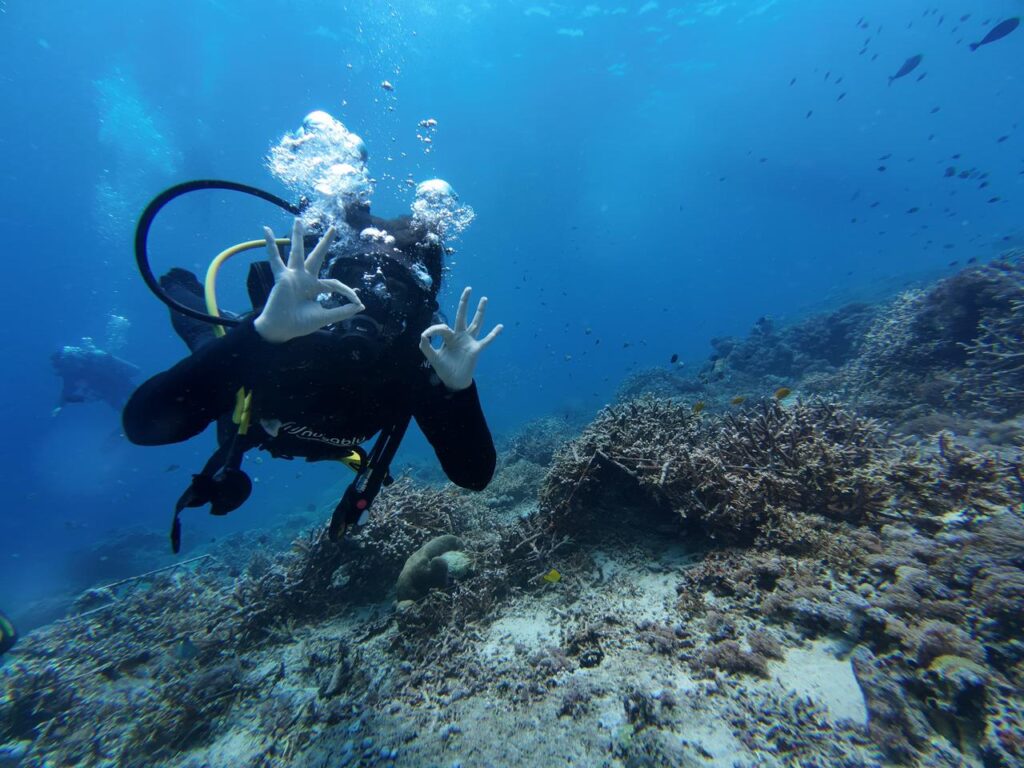
The Perfect Season to Scuba Diving in Bali
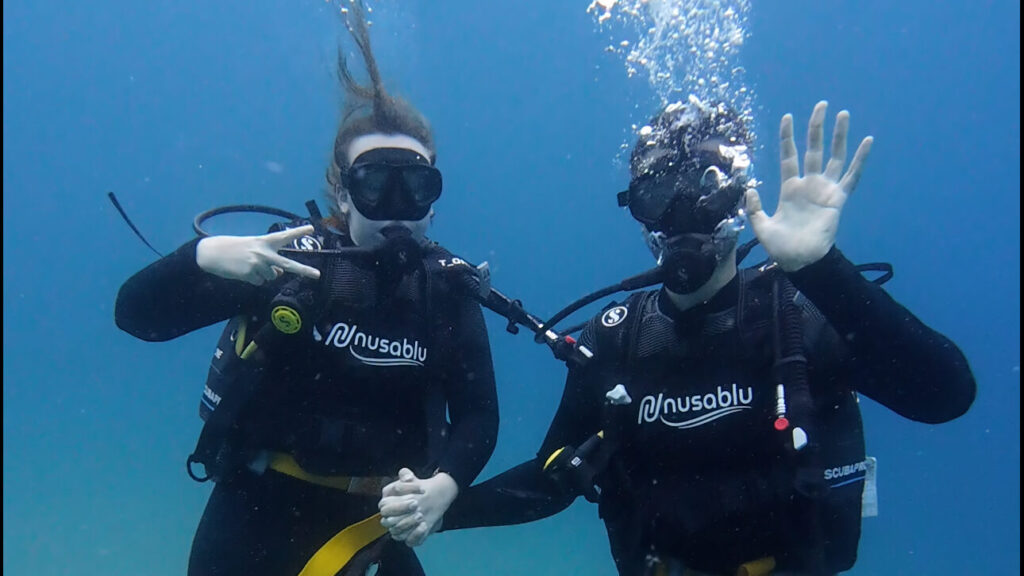
The draw for people coming to Bali are the sandy beaches, the customs, the reliable sunshine, but just underneath is an equally fascinating world. Time dictates the underwater experience; water clarity, current, and creature activity also everything can change with a passage of months. With the help of Nusablu, we match your scuba diving in Bali experience to stable, quiet, and free from unexpected stress.
The Best Season For Diving
There are just only two best time for diving in Bali. Between April and October, it’s dry season between November to March sees the rainy season. You can go scuba diving in Bali on year-round basis, but the vibe in the water is a little bit different depending on when you visit. The dry season is more or less ideal for start.
The ocean is calm, the water is clear, and rainfall is rare. Winds are light, the currents aren’t too fierce — it’s easy to kick back and concentrate on learning without any surprises. It’s a bit uncertain when it comes to the beginning of the rainy season. There are occasional pop-up storms, and the water might not be clear in some spots. Still, there are many good diving spots, especially if you stick to safe areas. Some seasoned divers actually love this time because there’s more marine life around and way fewer crowded underwater.
Why Divers Love the Dry Season
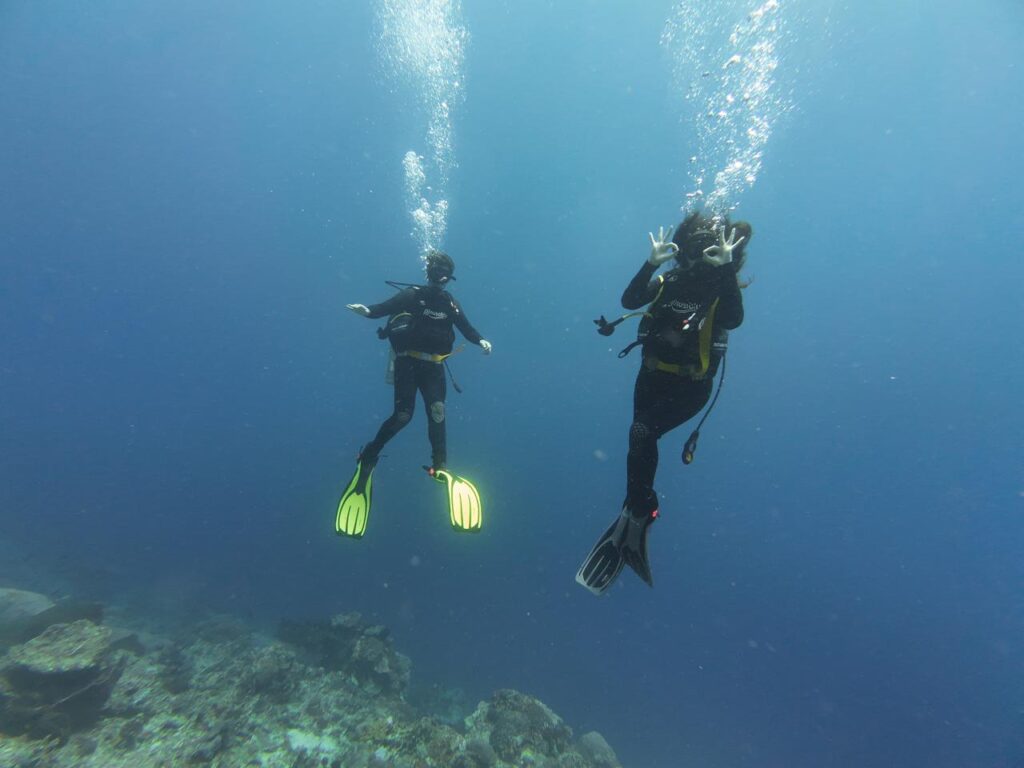
Between May and September, scuba diving in Bali is often said to be the best experience. Water clarity can improve significantly, and visibility sometimes exceeds 20 metres. Surfaces are also calmer, making boat travel more comfortable. That’s especially helpful for rookie divers who might not yet be accustomed to the motion of the ocean.
Travelers looking for the best scuba diving in Bali during this time of year are often those seeking their first certification. Training is easily scheduled and rarely interrupted by weather. Consistent sea conditions allow new students to focus on buoyancy, breath-work, and awareness underwater, as compared to dealing with changing conditions.
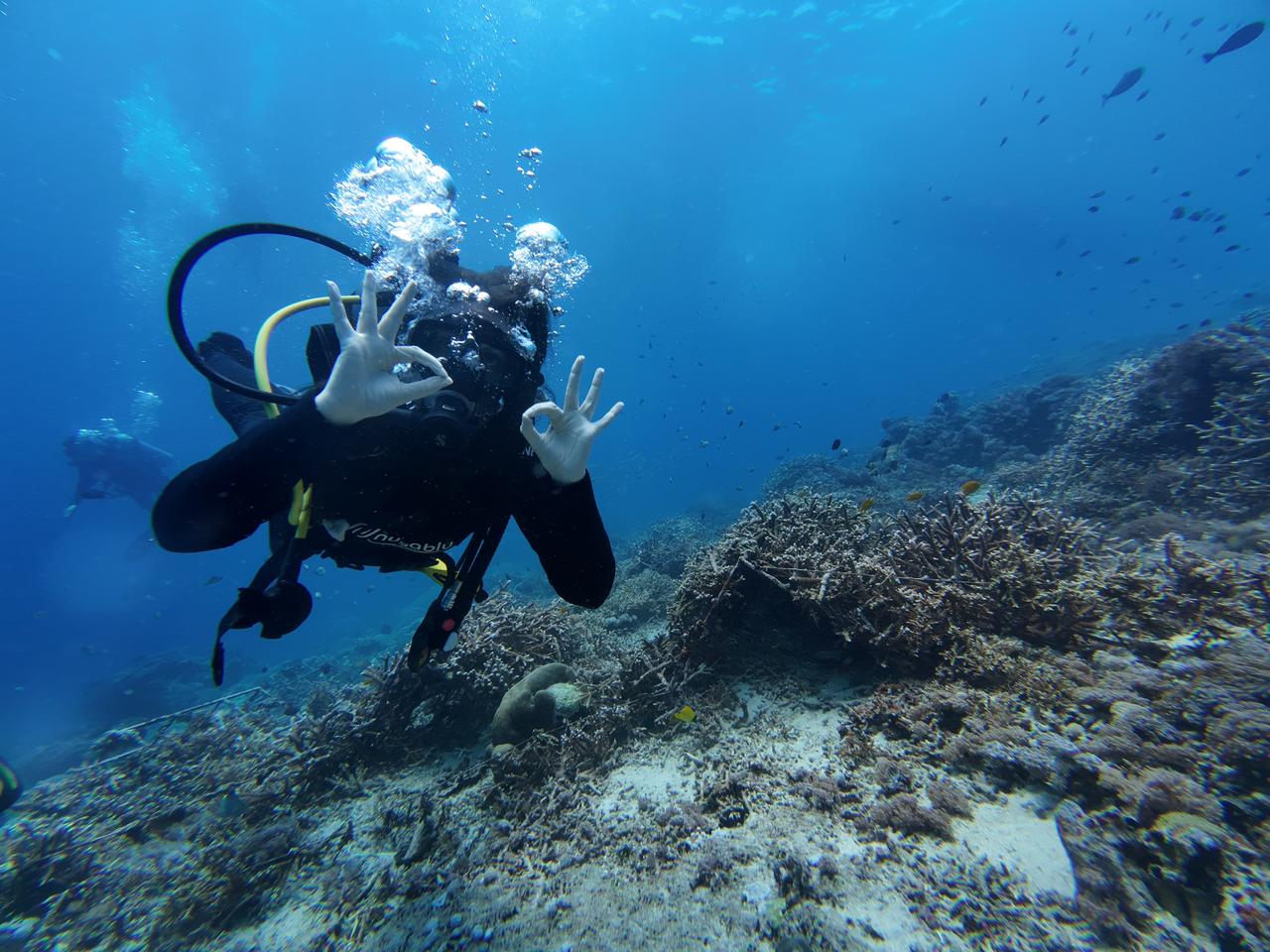
Read More: Diving in Bali: The Story of First Time Descending into a Different World
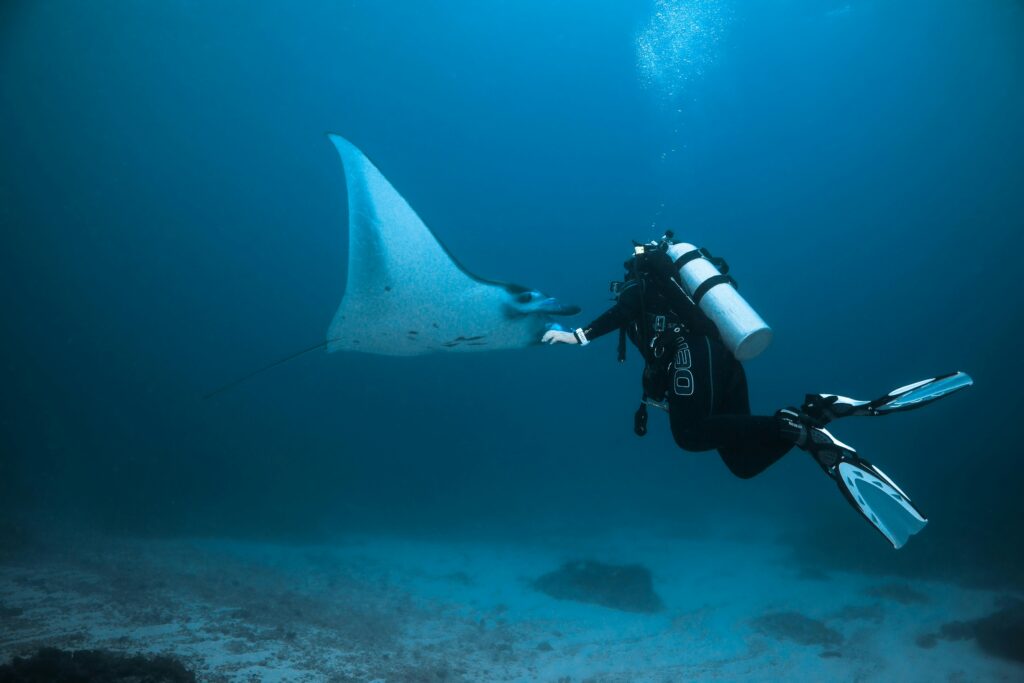
Another benefit of diving during the dry season can be found in certain regions where the chance of spotting large pelagics is increased with seasonal currents carrying nutrient-rich water that attracts pelagic life to the area, such as manta rays, reef sharks, and more.
Diving During the Raining Season
Although there are fewer tourists during the rainy months, it doesn’t translate to an underwater disadvantage. With many operators continuing to run daily schedules during these months. November through March you can go diving by following predictions. Diving spots with a protected bay or reef areas can be suitable for scuba diving in Bali, particularly in the morning, since there are lower wind speeds.
When the clarity is inconsistent, there is no guarantee that you can spot underwater creatures at certain locations. Coral reefs can be teeming with a diverse tropical fish, nudibranchs, and macro species that really are usually a great selection for underwater photography. Not to mention, because of the limited number of tourists, these months can provide you with more solitude and individual instructor attention at scuba diving in Bali. For travelers who enjoy flexible dates and less tourist crowds, you can still enjoy the best scuba diving in Bali, with suitable expert scuba guides and itinerary.
How Season Affects Diving Courses
The quality of your training is more impacted by weather conditions. Diving courses in Bali are the most popular activity for people throughout the dry season, when stable sea conditions reduce anxiety and accelerate your learning skills. Learning to remove your mask, maintain buoyancy manage, and handle emergency techniques is possible way in calm waters.
However, courses run year-round. Safety is always a top concern in lesson plans, and professional instructors adjust them to suit the changing environment. Learning indicates that decrease the class size during the raining season can result better learning skills, as a student are given more personal attention from their instructors.
The most suitable time to visit is dependent on your personal preferences for your enjoyment times and the weather, but not strictly defined by the seasons.
Marine Life Throughout the Year.
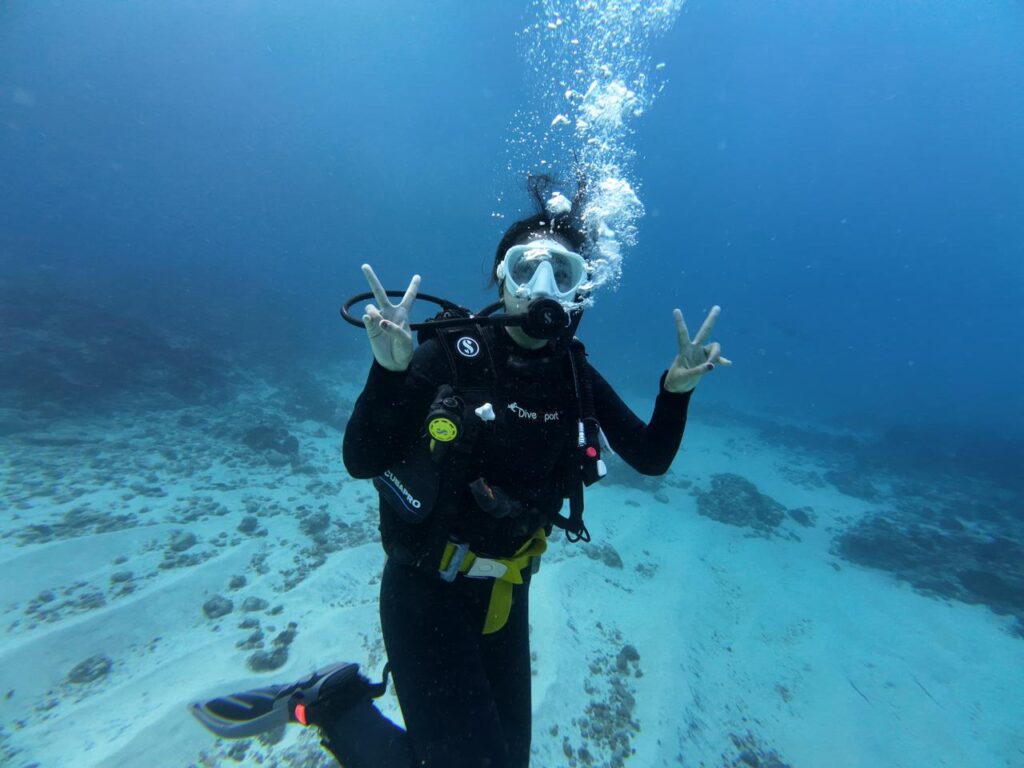
The diversity of in year in Bali makes it a frequent destination for divers who return to the island. Every season, the coral reefs are alive with clownfish, angelfish, and moray eels plus sea turtles. The likelihood of encountering larger or less common species is primarily dependent on seasonal differences rather than overall marine abundance.
The likelihood of encountering manta rays or sunfish in deeper waters is higher during certain months, which draws in divers from all over the world. While focused enthusiasts can spot all creatures almost in every month, underwater photography is a joy to behold regardless of the time of year.
Many experts believe that Bali’s consistent biodiversity makes it the ideal place for snorkeling throughout all seasons, not just in one month.
Tips for Selecting the Right Time to Dive
Planning first can lead more secure and memorable experience. A guest before the reservation start should researching seasonal weather conditions first, sea temperature, and personal schedule. Generally, beginners will find dry-season conditions to be more peaceful, while experienced divers may enjoy exploring during the rainy season.
It’s important to choose reliable divers who keep themselves updated on daily forecasts and modify dive locations accordingly. Diving courses in Bali are always professional, well-organized, and enjoyable regardless of the season. All too.
Packing will help you to get the best equipment. In any tropical conditions, diving is more comfortable due to the use of lightweight exposure suits, reef-safe sunscreen, and reduced hydration needs.
Safety Is The Top Corcern
Seasons will not call for responsible preparation. Proper dive planning will check the suitable of the equipment, reviewing individual procedures, and listen seriously to pre-dive briefings. Weather awareness is very essential during the transition months because sea conditions will change quickly.
Certified diving companies prioritize safety plans over risky schedules. With an exciting experience, starting scuba diving in Bali remains safe due to the safety that is guaranteed.
Conclusion
For every diver, the best season is option for their personal preferences. The dry season is perfect for guests who are visiting for the first time, with quieter seas, clear skies, and excellent knowledge opportunities. When tourists want the best experience, the rainy season offers them a quieter diving spots, memorable underwater moments, and an efficient schedule.
If you plan ahead and need a professional advice, Scuba diving in Bali is a fun time. Thanks to its diverse reefs, warm waters year-round, and supportive training environment over the years, Bali is a destination that every visit can turn into an interesting underwater expedition.