Overview of Bali
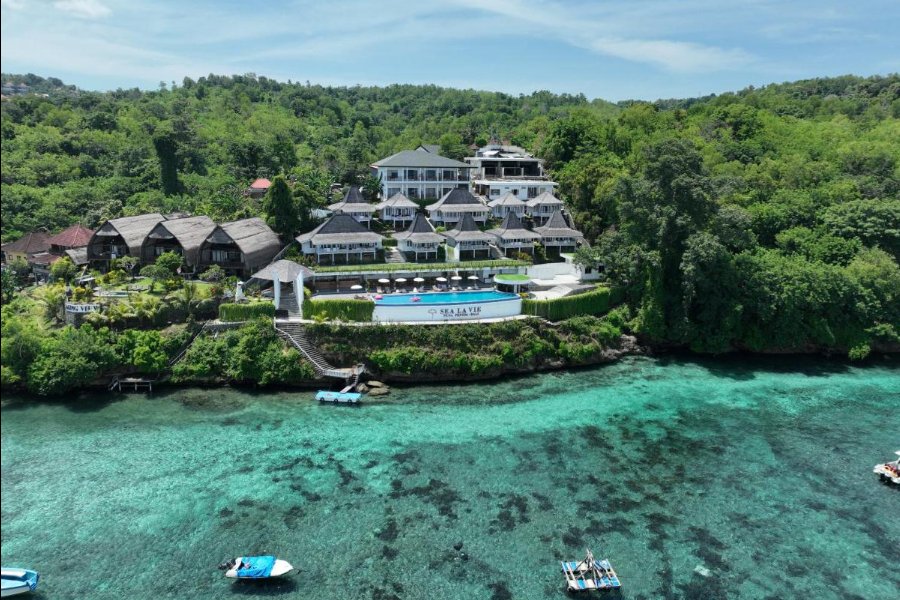
Bali (English: /ˈbɑːli/; Balinese: ᬩᬮᬶ) is a province of Indonesia. It sits as the westernmost island in the Lesser Sunda Islands. Java lies to the east, while Lombok lies to the west. In addition, the province covers the main island of Bali plus several smaller offshore islands, including Nusa Penida, Nusa Lembongan, and Nusa Ceningan, all located to the southeast.
The Capital and Cultural Centre
The provincial capital, Denpasar, holds the title of most populous city in the Lesser Sunda Islands. It also ranks as the second-largest city in Eastern Indonesia, after Makassar. Moreover, the Denpasar metropolitan area extends around the capital and includes Ubud, an upland town that serves as Bali’s cultural centre.
A Top Tourist Destination
Bali stands as Indonesia’s main tourist destination. Since the 1980s, tourism here has grown sharply, and the island now faces overtourism in several areas. As a result, tourism-related business generates 80% of Bali’s economy.
Religion, Arts and Global Events
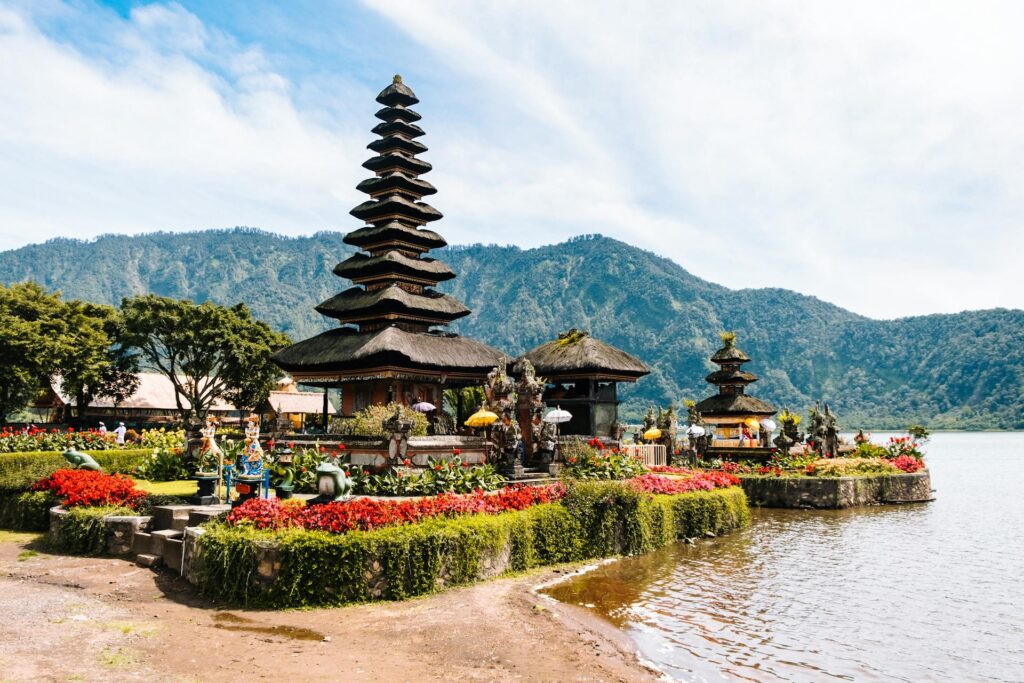
Bali holds a unique position as Indonesia’s only Hindu-majority province, with 86.9% of the population practicing Balinese Hinduism. Furthermore, the island boasts highly developed arts, including traditional and modern dance, sculpture, painting, leather craft, metalworking, and music. Each year, Bali hosts the Indonesian International Film Festival. In addition, the island has welcomed major global events, such as Miss World 2013, the 2018 IMF and World Bank Annual Meetings, and the 2022 G20 summit. Notably, TripAdvisor named Bali the world’s top destination in its Traveller’s Choice award, first in March 2017 and again in January 2021.
Biodiversity and Cultural Heritage
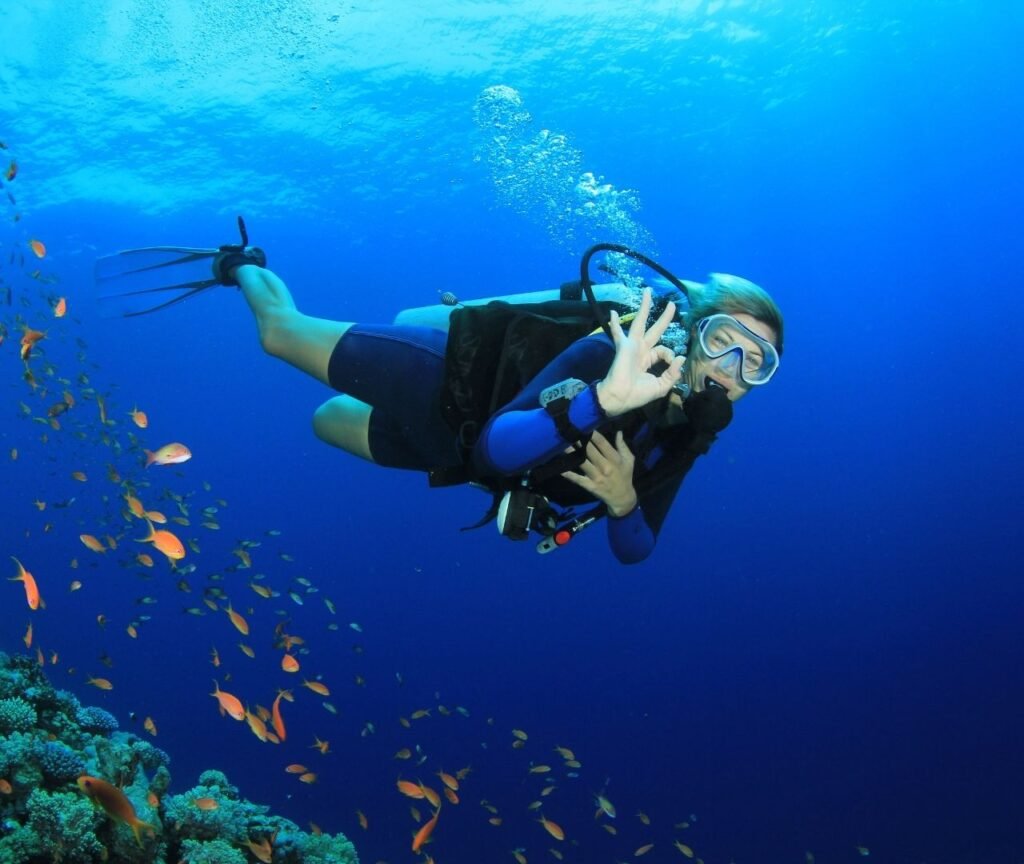
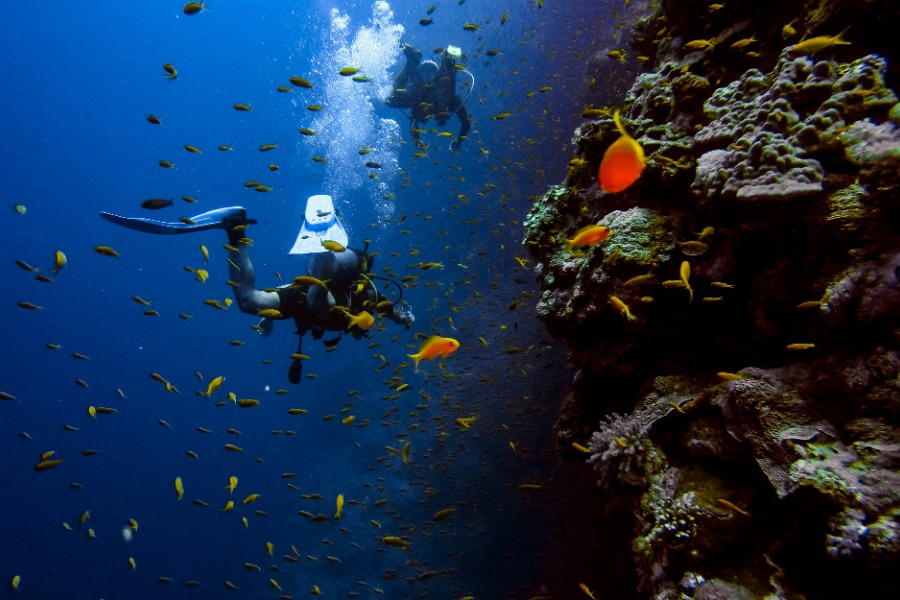
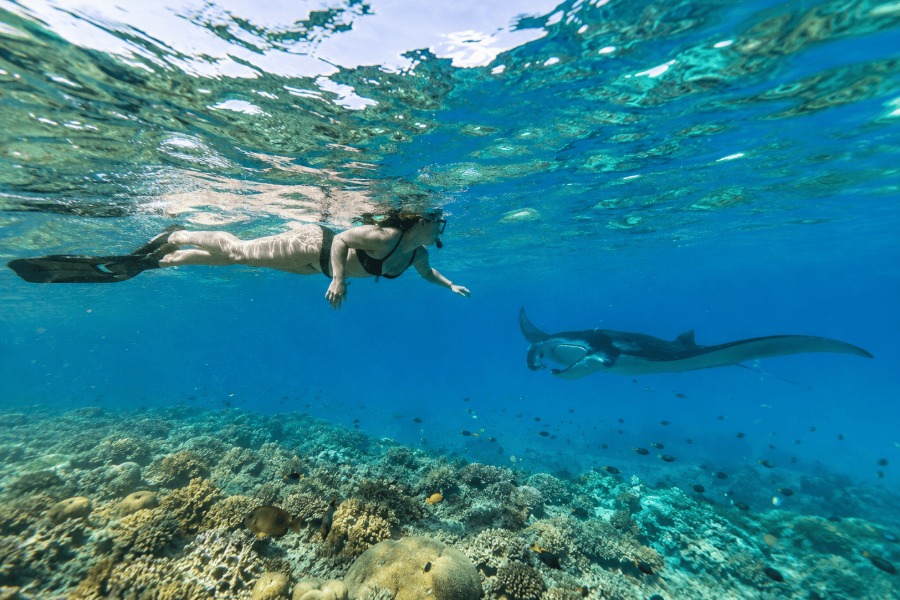
Bali forms part of the Coral Triangle, the region with the highest marine biodiversity, especially among fish and turtles. Here alone, more than 500 reef-building coral species thrive — roughly seven times the number found across the entire Caribbean. Meanwhile, Bali hosts the Subak irrigation system, a UNESCO World Heritage Site. The island is also home to a confederation of ten traditional royal Balinese houses, each ruling a specific geographic area. This confederation succeeded the historic Bali Kingdom. Although these royal houses originated before Dutch colonisation, the Indonesian government does not officially recognise them today.
Frequently Asked Questions (FAQ)
What is Bali best known for?
Bali is best known for its beautiful beaches, rich Balinese culture, Hindu temples, scenic rice terraces, vibrant arts, and world-class tourism. The island is also famous for destinations such as Ubud, Nusa Penida, Seminyak, and Uluwatu, attracting millions of visitors every year.
Where is Bali located?
Bali is located in Indonesia as the westernmost island of the Lesser Sunda Islands. It lies between Java and Lombok and includes several nearby islands, including Nusa Penida, Nusa Lembongan, and Nusa Ceningan.
Why is Bali a popular tourist destination?
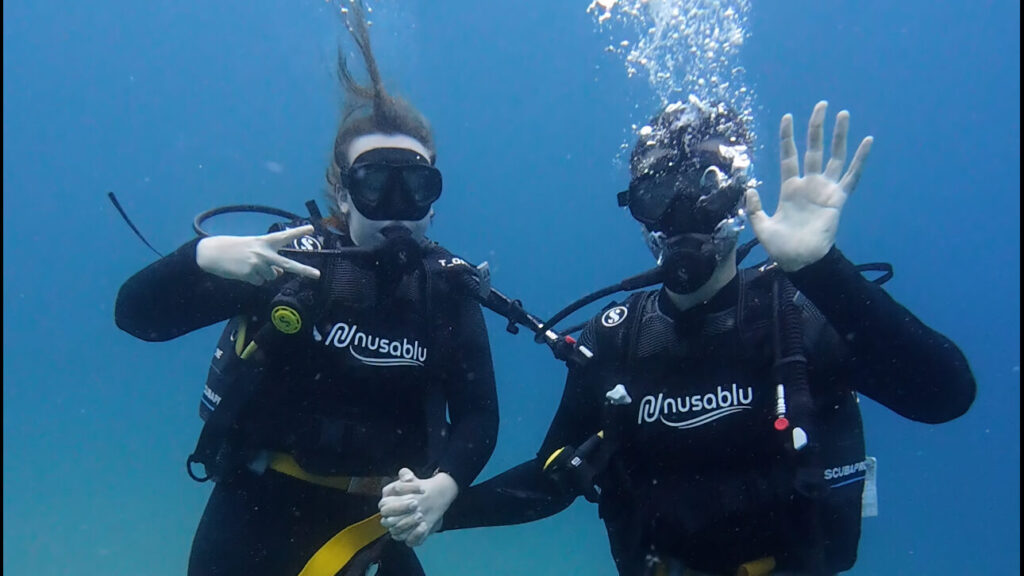
Bali is a popular tourist destination because it offers a combination of stunning natural landscapes, unique cultural experiences, luxury resorts, adventure activities, and diverse attractions. Visitors can enjoy beaches, surfing, scuba diving, hiking, traditional festivals, wellness retreats, and historical temples throughout the island.
What makes Bali’s culture unique?
Bali’s culture is unique because it is the only Hindu-majority province in Indonesia. Daily life is deeply connected to Balinese Hindu traditions, with colorful ceremonies, ancient temples, traditional dances, music, craftsmanship, and the UNESCO-recognized Subak irrigation system reflecting the island’s rich cultural heritage.
Why is Bali important for marine biodiversity?
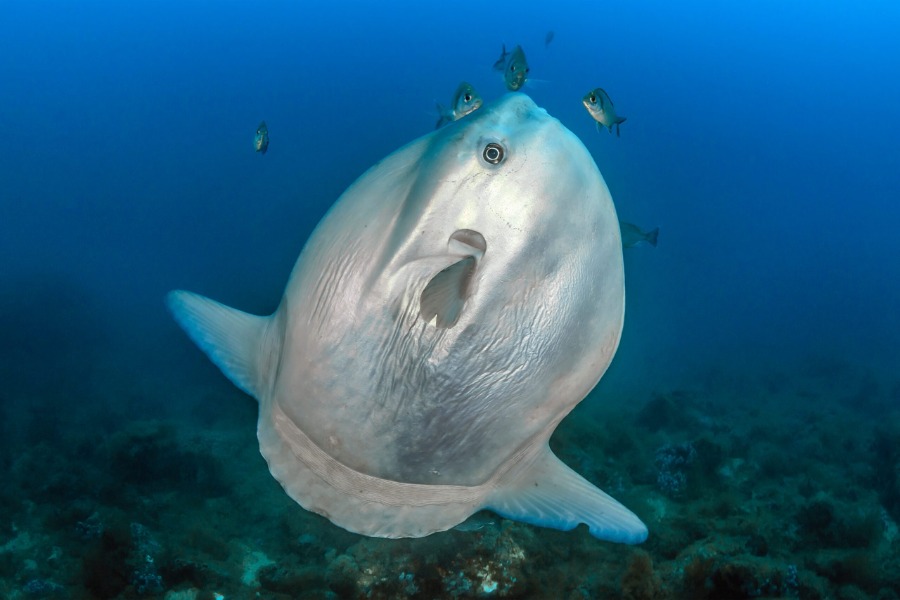
Bali is part of the Coral Triangle, one of the world’s richest marine ecosystems. Its waters are home to more than 500 species of reef-building corals, sea turtles, tropical fish, manta rays, and many other marine species, making Bali one of the world’s top destinations for scuba diving, snorkeling, and marine conservation.