Snorkeling Nusa Penida Guide for Exploring Bali’s Marine Life
Nusa Penida is one of Bali’s most appealing destinations for travelers who want to discover tropical marine life. With colorful reef fish, coral formations, and the possibility of encountering manta rays, snorkeling Nusa Penida offers an exciting way to explore the ocean without joining a scuba diving program.
However, a memorable snorkeling trip involves more than choosing a beautiful location. Sea conditions, currents, visibility, equipment, and swimming ability all influence the experience. Choosing a responsible snorkeling operator is essential for enjoying the water while protecting the marine environment.
This snorkeling Nusa Penida guide explains the most popular locations, marine life you may encounter, essential equipment, safety considerations, and tips for choosing the right snorkeling package. With proper preparation, you can enjoy Bali’s underwater scenery while making responsible choices throughout your trip.
Why Is Snorkeling Nusa Penida So Popular?
The waters surrounding Nusa Penida offer opportunities to observe diverse marine habitats. Travelers can explore coastal reefs, watch tropical fish, and appreciate the natural beauty of Bali’s underwater environment.
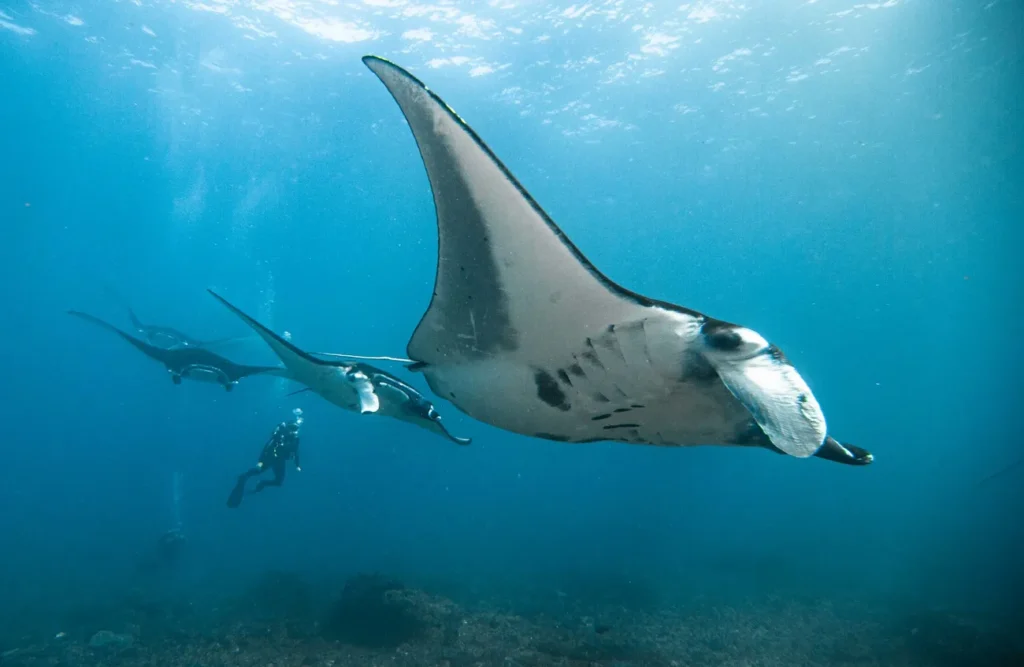
One of the biggest attractions is the possibility of seeing manta rays. These graceful marine animals are associated with several locations around Nusa Penida, including Manta Point. However, sightings depend on animal movements and environmental conditions, so they cannot be guaranteed.
Another reason snorkeling Nusa Penida appeals to visitors is its accessibility. Unlike scuba diving, snorkeling does not require an underwater breathing system or a scuba certification. Participants can observe marine life from the surface using a mask and snorkel.
Nevertheless, snorkeling is not automatically safe for everyone. Some locations experience strong currents, waves, and changing sea conditions. Even confident swimmers can find open water challenging.
For this reason, beginners should choose suitable locations, use appropriate flotation equipment, and follow instructions from experienced guides. These precautions help make the experience more comfortable and enjoyable.
Best Snorkeling Spots in Nusa Penida
Choosing the right snorkeling location can make a significant difference to your trip. Each site offers different scenery and conditions, so the final itinerary should depend on the weather, currents, visibility, and participants’ abilities.
Manta Point
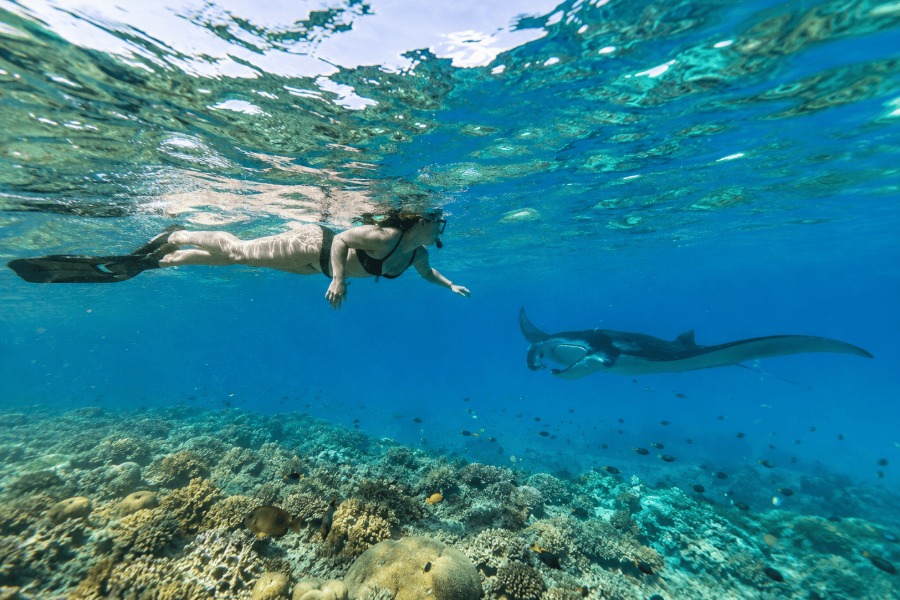
Manta Point is one of the best-known locations for travelers hoping to observe manta rays around Nusa Penida. When conditions are suitable, snorkelers may see these animals swimming naturally through the water.
Seeing a manta ray can be an unforgettable experience. However, the presence of manta rays does not mean the location is suitable for snorkeling every day. Waves and currents can become challenging, making a professional safety assessment essential.
Always follow your guide’s instructions and maintain a respectful distance from marine wildlife. Never chase, touch, or block the swimming path of a manta ray.
If conditions are unsuitable, a responsible operator may recommend another location. Safety should always take priority over wildlife sightings.
Crystal Bay
Crystal Bay is known for its coastal scenery and underwater habitats. When visibility and sea conditions are favorable, the area can provide opportunities to observe tropical fish and coral reefs.
The bay may appeal to travelers who want to combine scenic coastal views with marine exploration. However, conditions can vary between different parts of the area.
Before entering the water, listen carefully to your guide’s briefing. Follow the recommended entry and exit points, remain within the designated activity area, and avoid swimming away from the group.
Although the water may appear calm near the shore, currents can change farther out. Staying within your abilities is more important than exploring every part of the bay.
Gamat Bay
Gamat Bay is another location known for its underwater scenery and coral reef habitats. It may be included in a snorkeling itinerary when conditions are appropriate.
The experience depends on visibility, currents, waves, and the specific route selected by the operator. Travelers should not assume that a location is safe simply because it appears attractive in photographs.
If you are a beginner, ask whether Gamat Bay is suitable for your swimming ability. A knowledgeable guide can help determine whether another site would provide a more comfortable experience.
Toyapakeh
Toyapakeh is known for its marine biodiversity and may be included in snorkeling trips around Nusa Penida. Visitors may have opportunities to observe reef fish and other marine organisms when conditions allow.
The exact experience depends on the selected location and the state of the sea. Before entering the water, make sure you understand the snorkeling boundaries and how to request assistance.
For families and groups with different swimming abilities, a more sheltered location may be preferable. A flexible itinerary allows the operator to choose a suitable alternative when necessary.
What Marine Life Can You See While Snorkeling?
One of the most enjoyable aspects of snorkeling Nusa Penida is discovering the marine life beneath the surface. The species you encounter will depend on the location, habitat, visibility, and conditions on the day.
Possible sightings include:
- Tropical reef fish: Observe fish with different colors, shapes, and swimming patterns.
- Coral reefs: Discover underwater structures that provide habitats for many marine organisms.
- Manta rays: Encounter these impressive animals when they are present and conditions permit.
- Marine invertebrates: Notice smaller organisms living around suitable reef habitats.
- Underwater landscapes: Appreciate coral formations and coastal scenery when visibility is good.
Every snorkeling trip is different because marine animals move freely through their natural environment. Therefore, no operator can guarantee specific wildlife sightings.
Responsible behavior is equally important. Never touch coral, stand on reef structures, collect marine organisms, or feed fish. These actions can disturb wildlife and damage fragile habitats.
Instead, observe marine life calmly and leave the underwater environment as you found it.
Is Snorkeling in Nusa Penida Suitable for Beginners?
Yes, snorkeling can be suitable for beginners when the location, equipment, and supervision match their abilities. However, beginners should understand that open-water conditions differ from swimming in a pool.
If you have limited experience, start in a relatively sheltered location under professional supervision. Tell your operator about your swimming ability before booking so the team can assess whether the planned activity is appropriate.
A flotation vest or life jacket can help you remain at the surface. Nevertheless, flotation equipment does not eliminate the risks associated with strong currents or rough seas.
Follow these recommendations for a more comfortable experience:
- Choose a snorkeling site that matches your abilities.
- Practice using your mask and snorkel before entering deeper water.
- Wear properly fitted flotation equipment when recommended.
- Stay close to your guide and follow the group’s instructions.
- Tell your guide immediately if you feel tired, anxious, or uncomfortable.
Children may also be able to participate, depending on their age, confidence in the water, and the operator’s requirements. Parents should confirm minimum age restrictions and supervision arrangements before booking.
Most importantly, never feel pressured to enter the water if you are uncomfortable. A responsible operator should respect your decision and explain the available alternatives.
Essential Equipment for Snorkeling Nusa Penida
Having suitable equipment improves comfort and helps you focus on the underwater scenery. Before departure, check which items are included in your snorkeling package.
Mask and Snorkel
A properly fitted mask helps reduce water leakage and provides a clearer view underwater. The snorkel allows you to breathe while keeping your face at the surface.
Make sure your equipment fits comfortably before entering the sea. Ask your guide for assistance if your mask leaks or you are unfamiliar with using a snorkel.
Fins
Fins help you move through the water more efficiently when used correctly. Choose a comfortable fit and follow your guide’s advice on suitable swimming techniques.
Avoid forceful kicking near coral reefs because it can damage marine habitats and disturb other snorkelers.
Flotation Equipment
A flotation vest or suitable life jacket can help you remain at the surface. Check that it fits correctly and is in good condition before starting the activity.
Always use the equipment according to your guide’s instructions. It should complement proper supervision rather than replace it.
Additional Items to Bring
Consider packing the following essentials:
- Swimwear and a change of clothes
- A towel
- Drinking water
- Sun protection suitable for marine environments
- A waterproof bag for personal belongings
- A waterproof camera, if desired
Keeping your belongings organized makes preparation easier and allows you to focus on enjoying the trip.
Safety Tips for Snorkeling Nusa Penida
Safety should always come first when exploring the waters around Nusa Penida. Conditions can change quickly, and even experienced swimmers need to respect currents and waves.
Follow these practical snorkeling safety tips before and during your trip.
Choose a responsible operator. Look for a provider that explains local sea conditions, supplies suitable equipment, and follows clear safety procedures.
Listen to the safety briefing. Understand the activity area, entry and exit procedures, communication signals, and instructions for returning to the boat.
Stay with your group. Avoid swimming too far from your guide or leaving the designated snorkeling area.
Respect your limits. Do not enter the water when conditions exceed your abilities. Inform your guide if you feel tired, frightened, cold, or uncomfortable.
Protect marine life. Never touch coral, feed fish, chase manta rays, or disturb underwater habitats.
Stay hydrated and protect yourself from the sun. Bring drinking water and use suitable sun protection throughout the trip.
Follow changing conditions. Leave the water promptly when instructed by your guide.
If you experience seasickness, plan ahead and ask a healthcare professional or pharmacist about appropriate options. Some medications can cause drowsiness, which may affect your ability to participate safely in water activities.
Remember that calm weather does not always mean calm currents. Follow local guidance rather than judging conditions by appearance alone.
When Is the Best Time for Snorkeling in Nusa Penida?
The best time for snorkeling depends on actual sea conditions rather than the calendar alone. Sunny weather may improve the overall experience, but visibility, currents, waves, and wind also influence whether a location is suitable.
Conditions can differ between sites on the same day. For example, one location may be manageable while another experiences stronger currents or rougher waves.
Before confirming your trip, ask the operator about the expected conditions and whether the itinerary may change. Local knowledge can help identify appropriate locations, although no forecast can eliminate every risk.
If your travel schedule allows, keep some flexibility in your plans. Delayed departures, alternative locations, or cancellations may be necessary when conditions become unsuitable.
A flexible itinerary helps you prioritize safety without putting unnecessary pressure on the guide or the marine environment.
How to Choose the Right Nusa Penida Snorkeling Package
Choosing the right package involves more than comparing prices or counting the number of snorkeling locations. Consider the quality of supervision, the equipment provided, the itinerary, and the operator’s approach to safety.
Before booking, confirm the following details:
- Snorkeling locations: Ask which sites are planned and whether the route can change according to sea conditions.
- Equipment: Check whether masks, snorkels, fins, and flotation devices are included.
- Guidance: Ask about the guide-to-participant ratio and available supervision.
- Transportation: Confirm boat transfers, departure arrangements, and return times.
- Additional costs: Check whether entrance fees, photographs, meals, or other services require separate payment.
- Participant requirements: Ask about age restrictions and suitability for beginners or people with limited swimming ability.
- Weather policies: Understand the arrangements for delays, route changes, or cancellations.
A responsible operator should provide clear information before you pay. The team should also be willing to explain why a particular location may not be appropriate on the day.
Rather than choosing the busiest itinerary, look for a package that provides suitable supervision, reasonable timing, and a clear commitment to participant safety.
Responsible Snorkeling and Marine Conservation
Nusa Penida’s marine ecosystems support a variety of underwater habitats and wildlife. Visitors can help protect these environments by making responsible choices throughout their trip.
First, avoid touching or standing on coral. Even brief contact can damage fragile organisms and affect the habitat of other marine species.
Second, keep rubbish out of the water. Bring personal waste back to shore or dispose of it in the appropriate facilities. Avoid leaving plastic packaging or other items on boats and beaches.
Third, observe marine animals without interfering with their behavior. When manta rays appear, give them enough space to swim naturally. Do not chase them or attempt to touch them for photographs.
Finally, follow local conservation guidelines and your operator’s instructions. Responsible snorkeling helps preserve the natural environment while allowing future visitors to appreciate the same marine habitats.
By combining careful preparation with respect for wildlife, travelers can make their snorkeling experience more enjoyable and environmentally responsible.
Plan Your Snorkeling Nusa Penida Experience
Snorkeling Nusa Penida offers an opportunity to discover Bali’s marine life, explore coastal habitats, and enjoy the ocean from a different perspective. From the possibility of seeing manta rays at Manta Point to observing reef fish around other snorkeling locations, each trip can provide a different experience.
However, the best trip is not necessarily the one with the most stops or the greatest number of wildlife sightings. Appropriate sea conditions, suitable equipment, knowledgeable guides, and respect for marine life are far more important.
Before booking, discuss your swimming ability, confirm the package inclusions, and ask how the operator handles changing conditions. Stay flexible with your itinerary and follow the guide’s instructions throughout the activity.
With thoughtful preparation and responsible choices, you can enjoy the natural beauty of Nusa Penida while helping protect its valuable marine environment.
Frequently Asked Questions
Is snorkeling Nusa Penida suitable for beginners?
Yes, snorkeling can be suitable for beginners when sea conditions are favorable and appropriate supervision is available. Beginners should inform the operator about their swimming ability and choose a location that matches their experience.
Can I see manta rays while snorkeling in Nusa Penida?
Manta rays may be seen at locations such as Manta Point, but sightings are not guaranteed. Currents, waves, and participant safety must also be considered before entering the water.
Is snorkeling equipment included in Nusa Penida packages?
Many snorkeling packages include basic equipment, such as masks, snorkels, and flotation devices. However, inclusions vary between operators, so confirm the equipment and any additional costs before booking.
Can children join snorkeling trips in Nusa Penida?
Children may participate if they meet the operator’s age requirements and the activity suits their abilities. Properly fitted equipment, appropriate supervision, and suitable sea conditions are essential.
What should I do if I encounter a strong current while snorkeling?
Stay calm, follow your guide’s safety instructions, and signal for assistance when needed. Do not attempt to fight the current alone or swim away from your group. Follow the operator’s established emergency procedures.