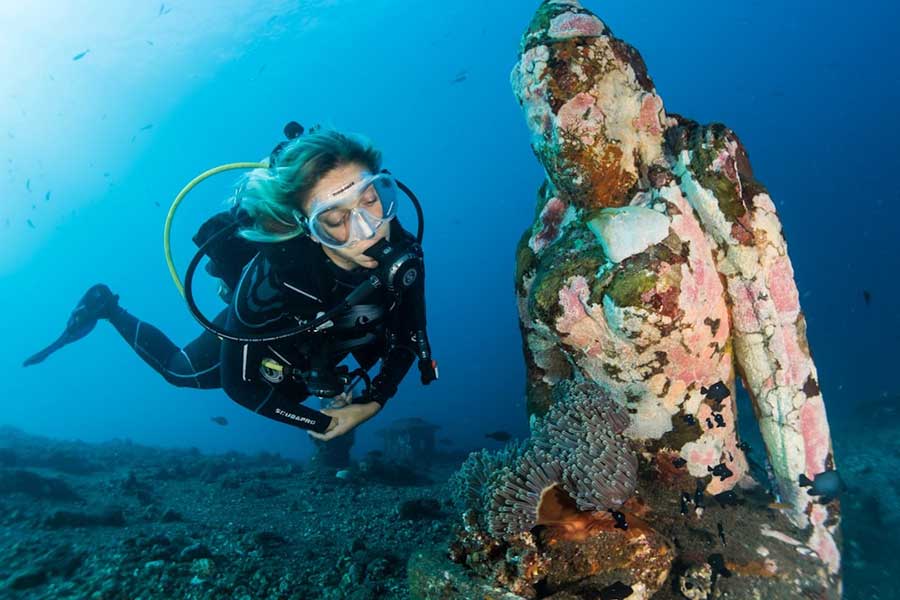
The Best Spot Scuba Diving Manta Point Nusa Penida
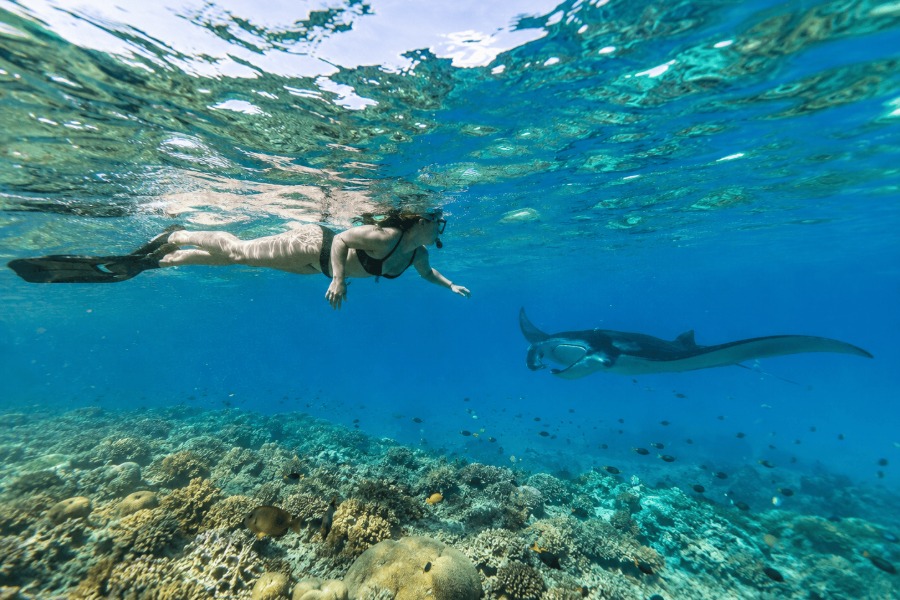
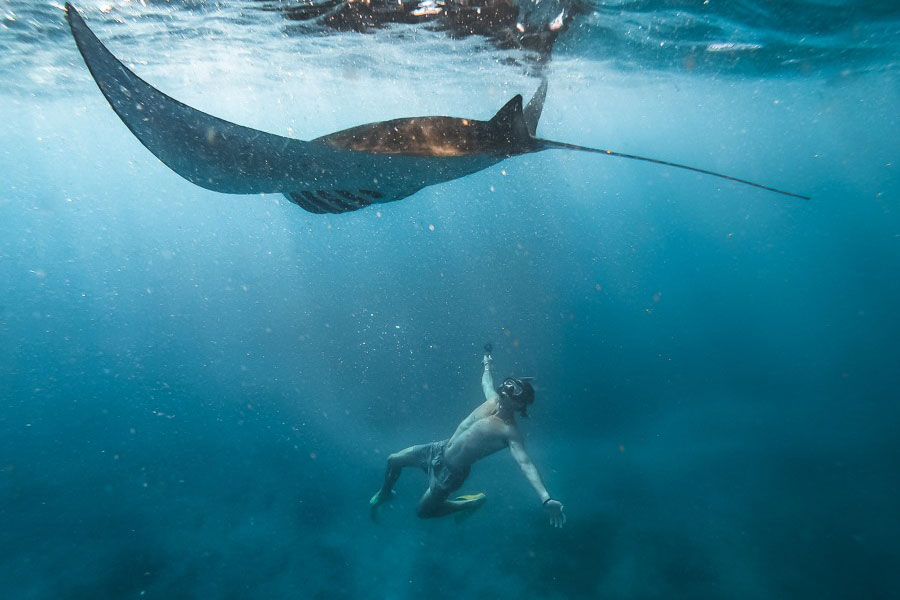
Manta Point Nusa Penida offers the best spot for divers who want to try Scuba Diving activities. Groups of large manta rays gather here and float through crystal clear water.
If you’re planning your first trip in Bali, add Manta Point to your itinerary. Meeting manta rays up close creates a memory you won’t forget.
About Manta Ray Dive Locations
Nusa Penida is a small island southeast of Bali. It offers many dive sites with stunning underwater scenery. The waters stay very clear, and steep coral walls line the seabed. Strong currents also bring in diverse marine life, from small fish to large pelagic species.
Manta Point sits on the south side of the island, directly exposed to open ocean currents. These currents draw in plenty of marine life, from plankton to manta rays that feed near the surface. Healthy coral reefs fill this beautiful blue-water habitat. Divers exploring Nusa Penida can enjoy varied topography while they search for manta rays.
Manta ray species in Nusa Penida waters
At Manta Point Nusa Penida, the reef manta ray (Mobula Alfredi) stands out as the star attraction. These rays visit the site to clean themselves and forage for food. They circle slowly over the coral reefs while wrasse fish clear parasites from their skin.
- Physical Character
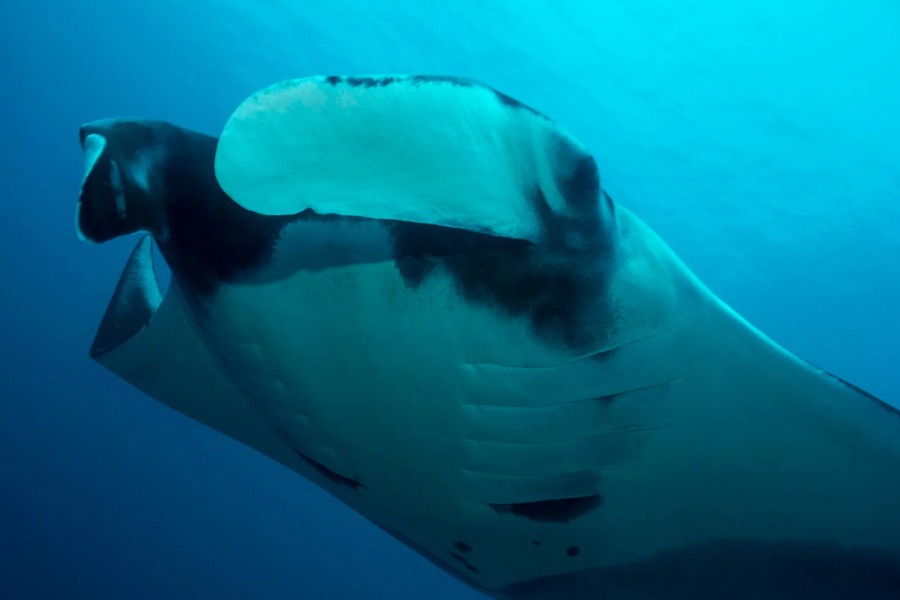
Manta rays grow to an impressive size with a wide wingspan and a distinctive black-and-white pattern on their underside. Their broad fins let them swim slowly, while their head fins help them steer and locate food.
- Behavior of Rays
Manta rays visit Manta Point in Nusa Penida to eat plankton and use the site as a cleaning station. Small fish approach the rays to clean off parasites and dead skin. A dive guide leads every dive here to help divers observe the rays’ natural movements while keeping both animals and divers safe.
- Coral Reefs and Cleanup Stations
The underwater landscape combines rocky bommies covered in coral with stretches of open sand. Manta rays slow down at these cleaning stations and open their gills and mouths. Cleaner fish and wrasses then move in to remove parasites. A healthy coral reef structure keeps this food web productive year after year.
Read More: The Best 5 Diving Spots in Nusa Penida for Every Diver
When is the Best Time to See Manta Rays in Nusa Penida?
Divers can spot manta rays in Nusa Penida throughout the year. However, certain periods offer better conditions:
- April to November (Dry Season): The sea stays calmer during this period, and water visibility improves. You’ll have a higher chance of meeting mantas, and snorkeling or diving feels more comfortable.
- December to March (Rainy Season): Manta rays still show up in Nusa Penida during the rainy season. However, sea conditions get bumpier and visibility drops. You can still snorkel or dive, just expect rougher water.
The time of day also affects your chances of meeting manta rays:
- Morning (07.00 – 10.00): This is the best time to dive. The sea stays calm, and manta rays often surface to forage and visit cleaning stations.
- Daytime (10.00 – 13.00): Conditions still work well, though waves pick up slightly and more divers enter the water.
- Afternoon: We recommend avoiding this window. Currents grow unstable, and your chances of seeing manta rays drop.
How to Dive at Manta Point Nusa Penida
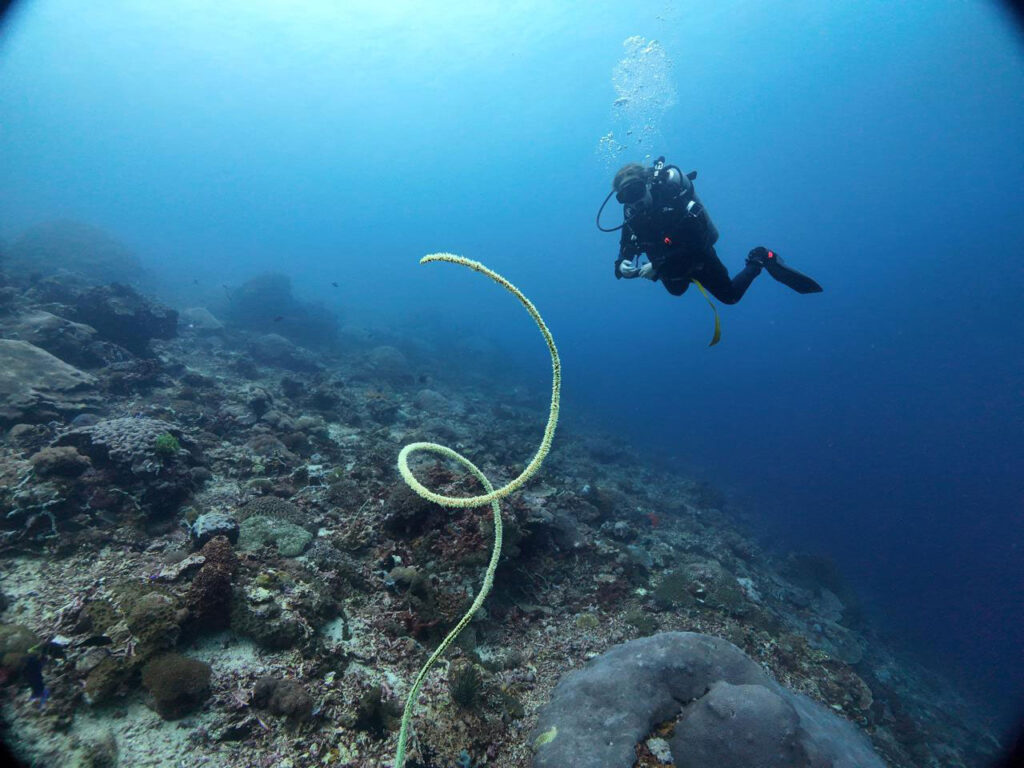
Diving at Manta Point ranks among Bali’s most iconic experiences. This spot serves as a natural habitat for manta rays, and divers can watch them swim freely in open water.
Before you head out to sea, prepare these essentials:
- Get a diving certification: Hold at least a PADI Open Water license so you understand basic safety procedures.
- Check your health: Make sure your body feels fit and free of breathing problems.
- Choose a trusted dive operator: An experienced dive center reads current conditions well and knows the best time to enter Manta Point.
- Attend the pre-dive briefing: Listen carefully as your dive guide explains the current, route, and safety procedures.
Conditions at Manta Point Nusa Penida shift often, so use these techniques:
- Use drift diving techniques: Strong currents call for drift diving, always under your guide’s supervision.
- Maintain buoyancy: Good buoyancy control keeps you off the seabed and protects the ecosystem.
- Keep a stable, horizontal position: This position helps you stay balanced when the current moves.
- Follow your dive guide’s instructions: Stay close to the group at all times for your own safety.
Nusablu: Recommendations for Nusa Penida Point Scuba Diving Operators
As one of the premium dive centers in Nusa Penida, Nusablu combines professionalism and comfort in every dive. This PADI-standard dive center follows strict safety procedures on every trip.
Nusablu also offers flexible diving packages for every level, from beginners to experienced divers. Choose from fun dives, discover scuba diving programs, and ongoing courses.
Nusablu goes beyond diving with a comfortable, exclusive resort experience. After your dive, relax and enjoy sweeping sea views from up high.
Visit nusablu.com to browse available dive packages and find the best spot for your first dive.
Frequently Asked Questions (FAQ)
Where is Manta Point Nusa Penida located, and what makes it special?
Manta Point sits on the south side of Nusa Penida Island, directly exposed to open ocean currents. This coral reef habitat lets divers encounter groups of large coral manta rays (Mobula Alfredi) as they forage or clean themselves in crystal-clear water.
When is the best time of year, and what are the most recommended hours to dive at Manta Point?
April to November (Dry Season) offers the best conditions, since the sea stays calmer and visibility improves. For daily timing, dive between 07:00 and 10:00, when the water stays calm and manta rays often surface.
Why do manta rays frequently gather in the Manta Point area of Nusa Penida?
Manta rays visit this location to feed on abundant plankton and use the area as a cleaning station. Small fish, like cleaner wrasses, approach the rays there to clear away parasites and dead skin.
What are the key requirements and preparations needed before scuba diving at Manta Point?
Divers need a diving certification, at minimum a PADI Open Water license. They should also confirm they’re physically fit with no respiratory issues, choose a trusted dive operator, and attend the pre-dive briefing before entering the water.
What specific techniques should be applied when diving at Manta Point given its relatively strong currents?
Divers should use drift diving techniques under close guide supervision, maintain strong buoyancy control to protect the ecosystem, keep a stable and horizontal body position for balance, and always follow their dive guide’s instructions to avoid getting separated from the group.