
Scuba Diving Nusa Penida: Swim with Manta Rays in Bali
For ocean lovers and underwater enthusiasts, scuba diving Nusa Penida is often considered a bucket-list experience. Located southeast of Bali, this island is renowned for its thriving coral reefs, exceptional underwater visibility, and frequent encounters with manta rays in their natural habitat. It’s no surprise that Nusa Penida has earned a reputation as one of Indonesia’s and Southeast Asia’s premier diving destinations.
What makes the island truly special is the diversity of its dive sites. From beginner-friendly reefs to exhilarating drift dives for experienced divers, every location offers a unique underwater adventure. Whether you’re hoping to glide alongside manta rays or simply explore vibrant marine ecosystems, Nusa Penida delivers unforgettable diving experiences.
Why Scuba Diving Nusa Penida Is a Favorite Among Divers
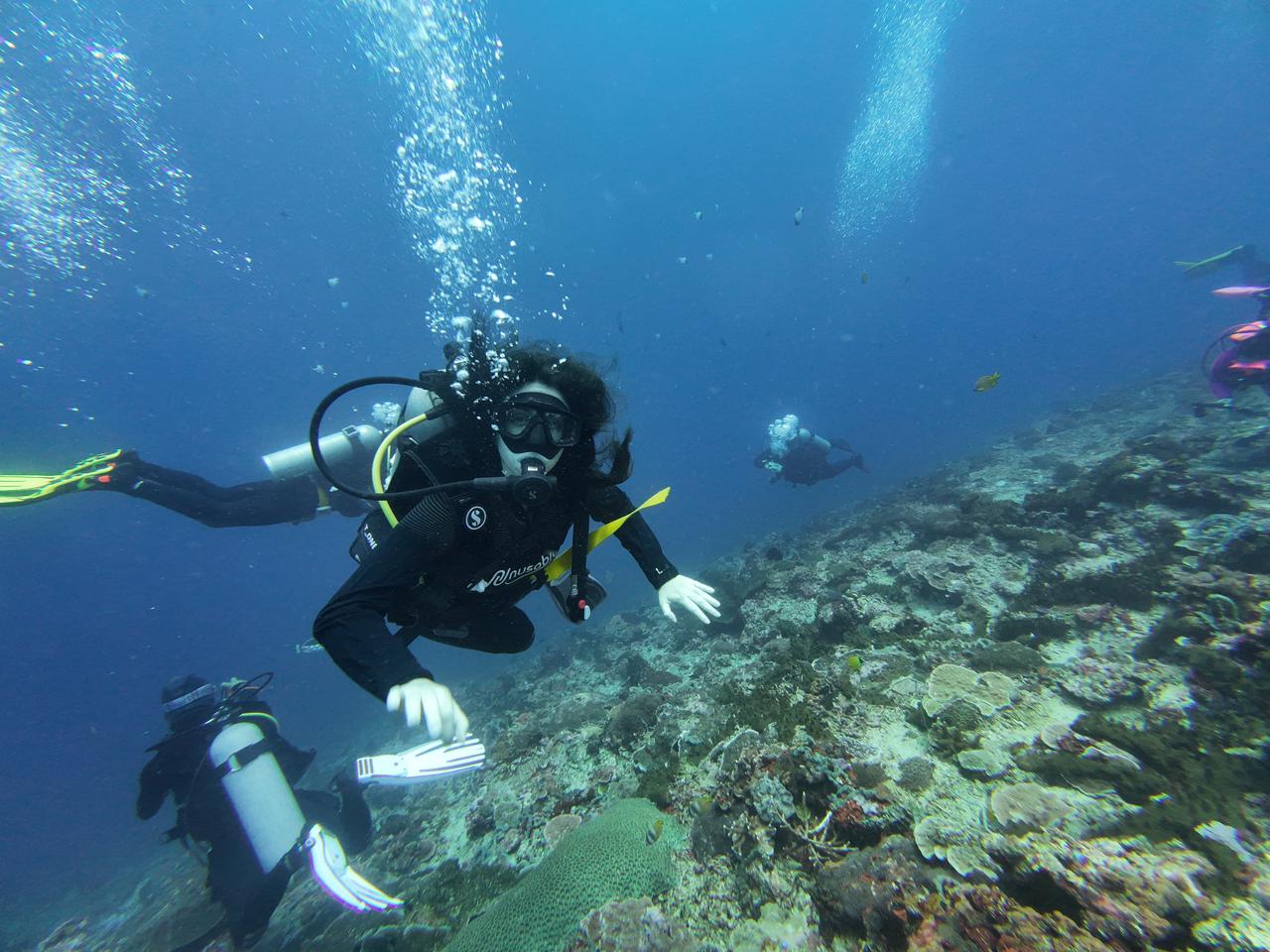
One of the main reasons divers are drawn to Nusa Penida is its remarkable marine biodiversity. The island lies within a protected marine conservation area, helping preserve healthy coral reefs and providing habitat for countless marine species, including sea turtles, reef sharks, colorful tropical fish, and manta rays.
Another advantage is accessibility. Nusa Penida can be reached by fast boat from Bali’s Sanur Harbor in approximately 30–45 minutes, depending on sea conditions. This allows divers to visit multiple sites within a single day trip.
Based on firsthand experience from local dive professionals, underwater visibility often ranges between 20 and 30 meters on clear days, creating ideal conditions for observing marine life and underwater landscapes.
Read More Other Articles:
- Fun Dive Nusa Penida for Beginners – Top 4 Sites & Tips
- PADI Advanced Open Water Course in Nusa Penida 2026
Diving in Nusa Penida: The Best Spots to Encounter Manta Rays
If seeing manta rays is your primary goal, several locations around Nusa Penida offer excellent opportunities for close encounters.
Manta Point
Located on the southern side of the island, Manta Point is widely known as one of the most reliable locations for spotting oceanic manta rays. The area serves as a natural cleaning station where smaller fish remove parasites from the mantas, attracting these gentle giants throughout the year.
Manta Point offers depths of around 8–20 meters, visibility ranging from 10–25 meters, and warm water temperatures between 24–28°C, creating ideal conditions for year-round manta ray encounters. One of the highlights of diving here is watching these gentle giants glide effortlessly overhead, often providing unforgettable close-up encounters that last several minutes.
Manta Bay
Manta Bay is generally shallower and often calmer than Manta Point. It is frequently selected when ocean conditions are less favorable elsewhere.
Although manta sightings remain common, conditions vary daily depending on tides, waves, and currents. This is why a thorough pre-dive briefing remains an essential part of every dive plan.
Nusa Penida Diving for Different Experience Levels
Not every dive site around Nusa Penida offers the same level of difficulty. Some locations are suitable for newly certified divers, while others require greater experience and confidence in stronger currents.
| Dive Site | Depth Range | Difficulty Level | Main Features |
| Manta Point | 8-20 m | Intermediate | Manta Rays, moderate currents |
| Crystal Bay | 5-30 m | Intermediate | Exceptional visibility, Mola-Mola |
| SD Point | 5-18 m | Begineer-Intermediate | Gentle drift diving |
| Gamat Bay | 8-20 m | Intermediate | Healthy coral reefs, abundant marine life |
| Blue Corner | 20-40 m | Advanced | Strong currents, pelagis species |
Crystal Bay
Crystal Bay is one of the most iconic for Scuba Diving Nusa Penida locations. Its name comes from the remarkable water clarity, with visibility often exceeding 30 meters under favorable conditions.
The site is also famous for seasonal sightings of the elusive Mola-Mola, or ocean sunfish, particularly between July and October.
However, Crystal Bay is not always ideal for beginners. Currents can change quickly, making it important to follow your dive guide’s instructions at all times.
SD Point
For newly certified Open Water divers, SD Point is often considered an excellent starting point. Currents are generally more predictable compared to some of Nusa Penida’s more challenging dive sites.
Divers can enjoy beautiful hard coral formations, schools of reef fish, and occasional sightings of green sea turtles gliding effortlessly through the reef.
Best Scuba Diving in Bali for Thrilling Drift Dives
Many international divers consider Nusa Penida home to some of the best scuba diving in Bali, largely due to its world-class drift diving. By allowing the current to carry you naturally across the reef, drift diving helps conserve energy, covers larger areas of the reef, creates an exciting underwater experience, and increases the chances of encountering larger marine species such as manta rays and reef sharks.
Challenges of Drift Diving
- Requires good buoyancy control
- Can be intimidating for inexperienced divers
- Demands close communication with guides and dive buddies
Professional dive operators carefully select sites based on current conditions and each diver’s experience level to ensure both safety and enjoyment.
Preparing for Scuba Diving Nusa Penida
While diving in Nusa Penida is incredibly rewarding, proper preparation plays a significant role in ensuring a safe experience.
Stay Physically Prepared
Divers should be well-rested, hydrated, and in good physical condition before entering the water. Avoid excessive alcohol consumption and late nights before a dive trip.
Check Your Equipment
Always verify the condition of essential diving equipment, including:
- BCD (Buoyancy Control Device)
- Regulator
- Mask
- Fins
- Dive computer
- Surface Marker Buoy (SMB)
Even when using rental equipment from reputable dive centers, performing a personal equipment check is highly recommended.
Pay Attention During Briefings
According to experienced instructors, many underwater incidents result from divers overlooking important briefing information regarding currents, depth limits, or emergency procedures.
Best Time to Dive in Nusa Penida
Nusa Penida offers year-round diving opportunities, although each season provides slightly different conditions.
April to June
These months often bring calm seas and excellent visibility, making them ideal for beginners and underwater photographers.
July to October
This is considered the peak diving season for Mola-Mola sightings. However, water temperatures can drop to around 20–24°C due to seasonal upwelling.
November to March
Rainfall is generally higher during this period, but manta rays remain active throughout the year. Fewer tourists also mean a quieter diving experience.
Ready to Dive? Plan Your Nusa Penida Adventure with Nusablu
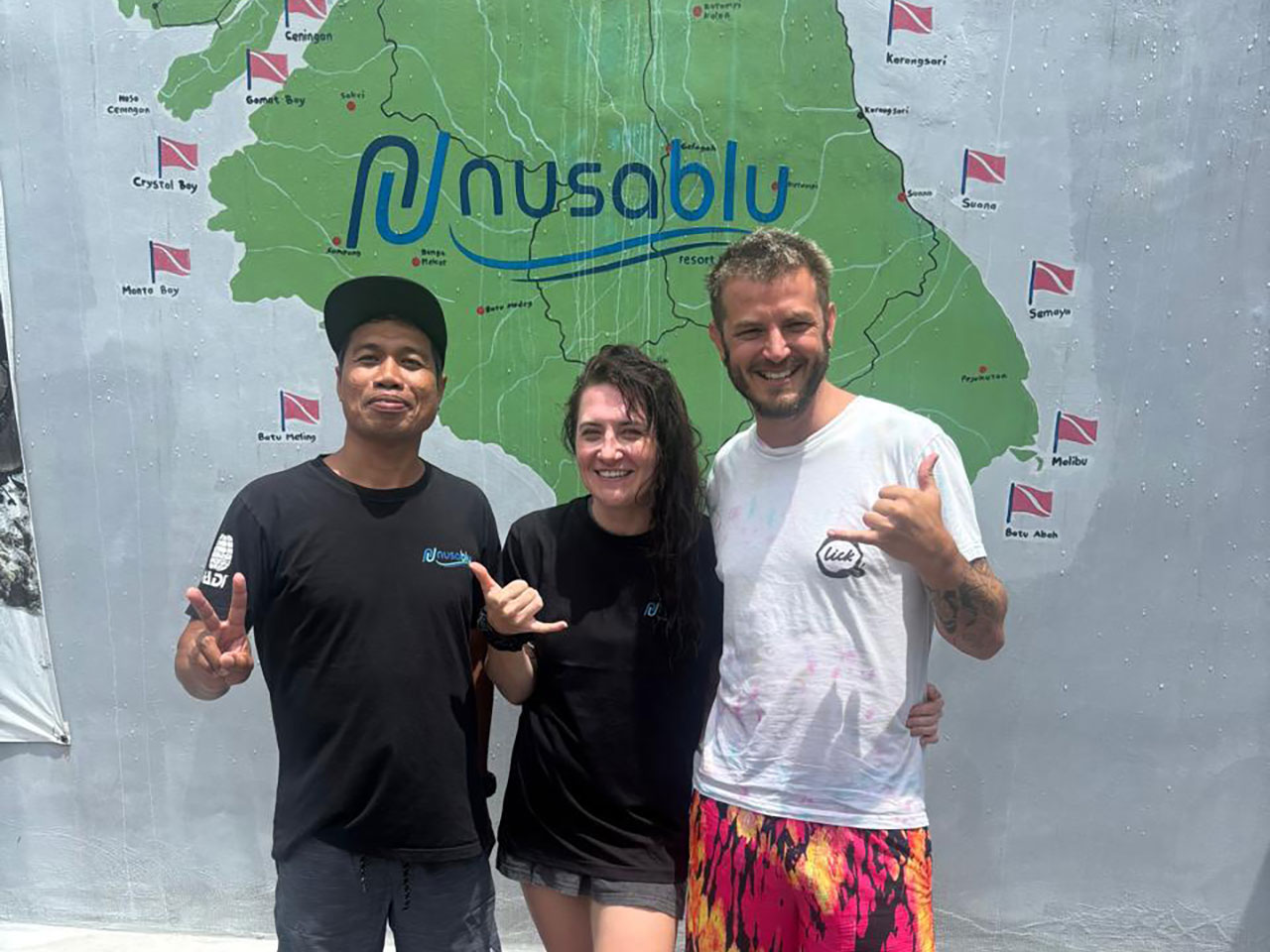
With crystal-clear waters, thriving coral ecosystems, and unforgettable manta ray encounters, scuba diving Nusa Penida stands among the most rewarding underwater experiences in all of Indonesia. Whether you’re a newly certified diver building confidence on your first reef dive or a seasoned adventurer chasing drift currents alongside manta rays, the island has a site and a story waiting for you.
At Nusablu, our local dive professionals know these waters inside out. From selecting the right site based on daily conditions to guiding you safely through every descent, we handle every detail so you can focus entirely on the experience.
Spots fill up fast during peak season, so don’t leave your dive dates to chance. Contact Nusablu today and let us plan the underwater adventure you’ve been waiting for.
Frequently Asked Questions (FAQ)
Is scuba diving Nusa Penida suitable for beginners?
Yes. Several sites, including SD Point and certain areas around Manta Point, can be suitable for beginner divers when conditions are favorable and guided by experienced professionals.
When is the best time to see manta rays in Nusa Penida?
Manta rays can be encountered throughout the year, with Manta Point and Manta Bay being among the most reliable locations.
Do I need certification to dive in Nusa Penida?
Certified Open Water divers can participate in fun dives. Non-certified visitors may join introductory programs such as Discover Scuba Diving under direct instructor supervision.
How deep are most dive sites in Nusa Penida?
Most popular dive sites range between 8 and 30 meters in depth, while advanced sites can exceed 40 meters.
Are the currents in Nusa Penida dangerous?
Currents are a defining feature of the area and can occasionally be strong. Dive sites should always be selected according to diver experience and daily ocean conditions.