Nusa Penida Diving: An Adventure with Manta Rays
For anyone passionate about underwater exploration, nusa penida diving belongs at the top of any Bali itinerary. This small island southeast of Bali is famous for its resident manta rays, powerful currents, and underwater scenery that’s hard to match anywhere else in the region. It’s no surprise that divers from all over the world travel specifically to experience scuba diving in Nusa Penida firsthand.
As an instructor who has spent years guiding guests through these waters, I’ve seen the same reaction over and over — pure awe the moment a diver comes face to face with a manta ray gliding through the current. That single moment is usually why divers keep coming back to nusa penida diving adventures again and again.
Getting to Know a Dive Centre in Nusa Penida
A professional dive centre in Nusa Penida typically offers fun diving packages, certification courses, and dedicated trips to spot manta rays and mola mola. Most operate to the international standards of a certified PADI dive centre Nusa Penida, with experienced instructors and equipment that’s checked and serviced regularly.
Services usually include pickup from Sanur or Padang Bai, a speedboat crossing, two to three dive sessions, and lunch on board. For divers coming from mainland Bali, the distance from Bali to Nusa Penida is around 45–60 minutes by speedboat, depending on the departure point and sea conditions.
Why Nusa Penida Is a World-Class Diving Destination
The reputation of nusa penida diving has been earned globally thanks to consistent manta ray sightings year-round and nutrient-rich currents that flow through the Lombok Strait. This combination creates an ecosystem that is genuinely rare to find elsewhere in Southeast Asia.
Beyond manta rays, these waters are also a seasonal migration route for the majestic mola mola, or oceanic sunfish. Having two such iconic giant marine species in one location is exactly what turns Nusa Penida into a primary destination rather than just a day trip from Bali.
Best Dive Sites in Nusa Penida
Selecting the right spot during your nusa penida diving trip is crucial. Here are five of the most popular Nusa Penida dive sites:
- Manta Point: The most famous spot for manta ray diving, sitting at 5–15 meters depth with currents and swells that can get quite strong.
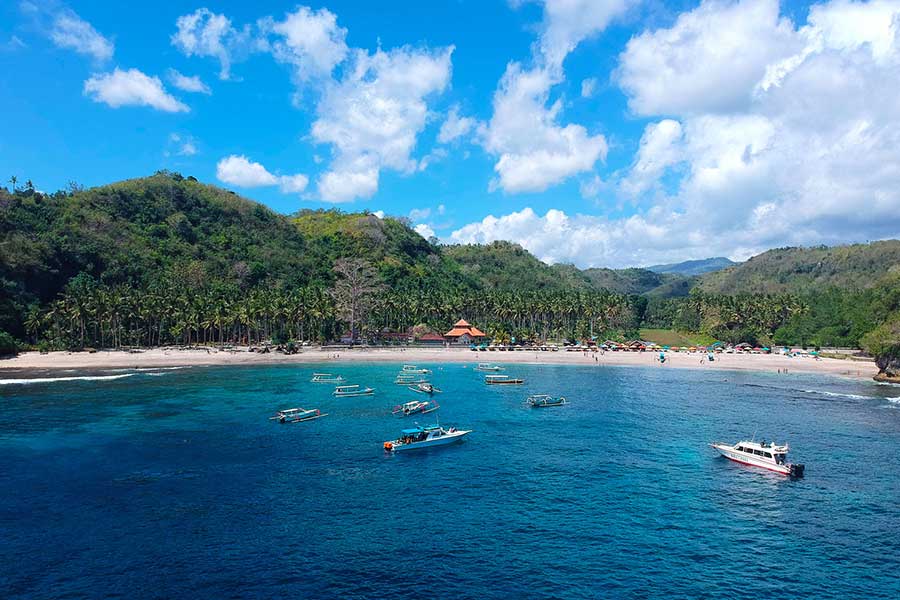
- Crystal Bay: Known for stellar visibility and one of the best chances to see mola mola in season, at depths of 5–30 meters.
- Toyapakeh: A colorful coral wall with relatively manageable currents, great for fun diving Nusa Penida.
- SD Point: A gently sloping reef site often used for drift diving and certification training thanks to its calmer current.
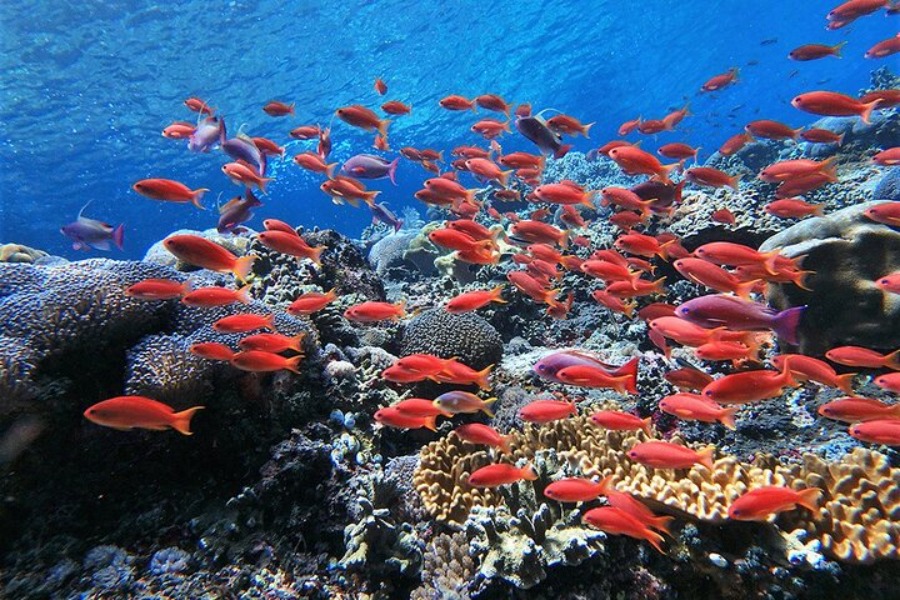
- Ped: Known for unique coral formations and a diverse fish population, at depths around 5–25 meters.
Each site has its own current pattern and terrain, so daily site selection by a dive centre in Nusa Penida is usually based on real-time weather conditions and diver experience levels.
Marine Life You Might Encounter
Besides manta rays and mola mola, divers regularly spot:
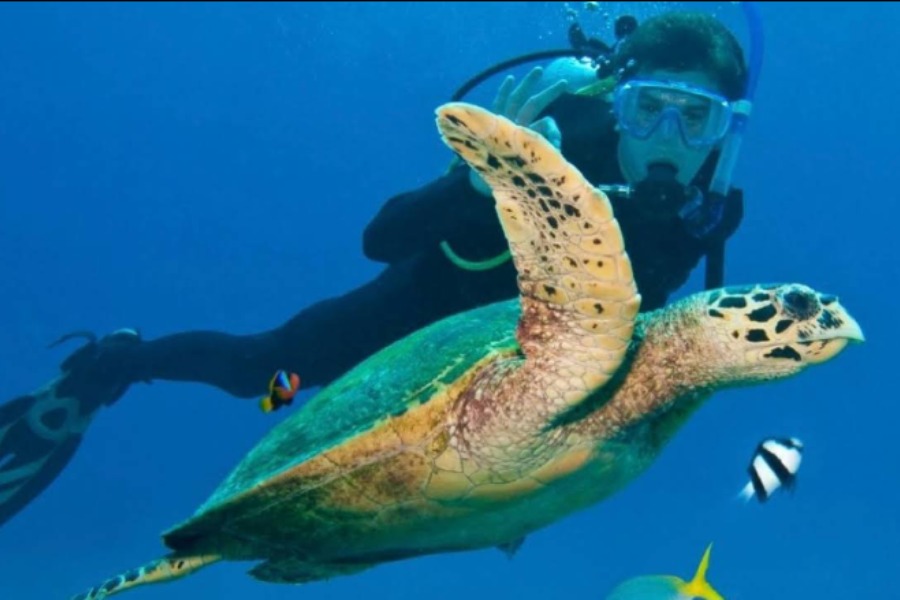
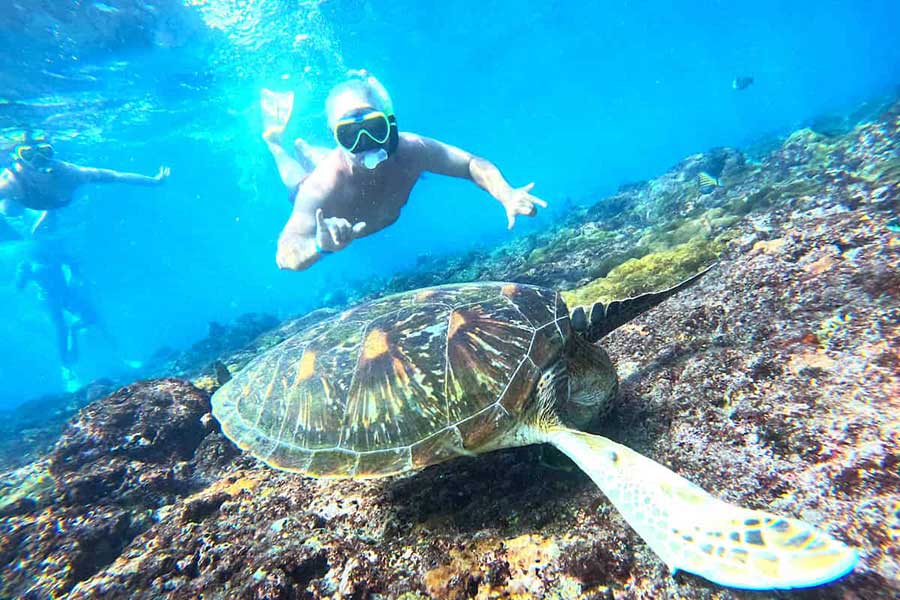
- Green and hawksbill sea turtles resting on reefs
- Schools of pelagic fish, including sweetlips, trevallies, and barracudas
- White-tip reef sharks and marble rays
- A rich variety of macro life and nudibranchs along coral walls
The Experience of Diving with Manta Rays
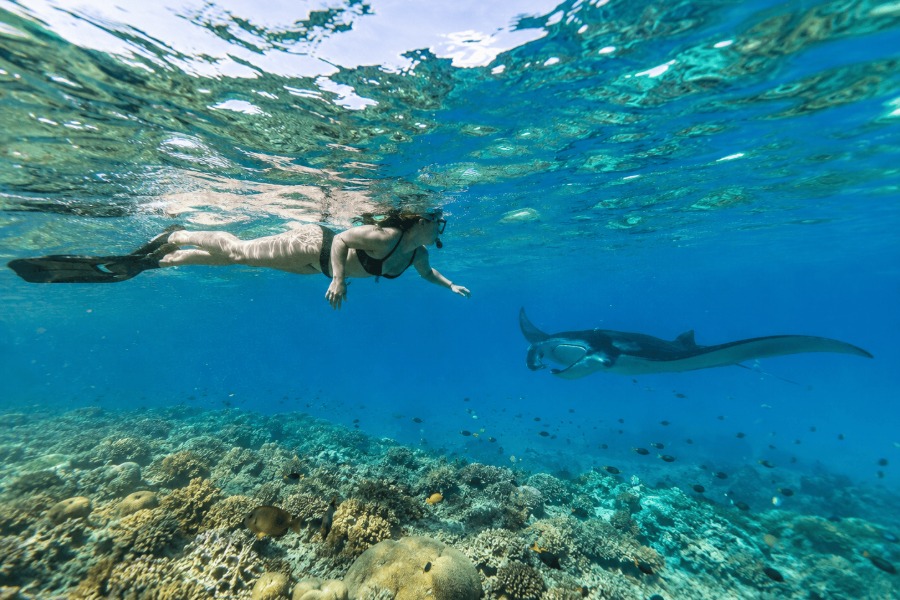
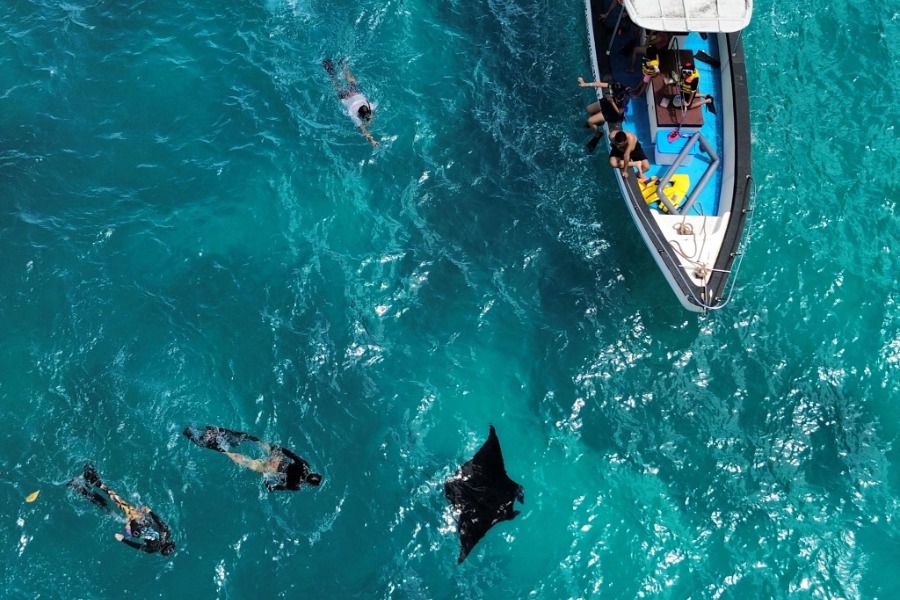
Diving alongside a manta ray is genuinely hard to put into words. When a manta glides slowly over the cleaning station at Manta Point, many guests instinctively stop moving altogether, stunned by a wingspan that can stretch over three to four meters.
Having led hundreds of guests to this site, I can say the current at Manta Point shifts quickly depending on the tide. That’s why the pre-dive briefing always covers the entry point, buoyancy control, and how to keep a safe, respectful distance from the mantas.
Difficulty Level & Who Can Join
Not every site in Nusa Penida suits every diver level. Crystal Bay and Manta Point are considered more challenging due to unpredictable currents and colder water — sometimes dropping to around 20°C from deep upwelling. Toyapakeh and SD Point, on the other hand, are much friendlier for beginners.
Fun diving Nusa Penida is generally open to divers holding at least an Open Water certification. Those without certification can join a Discover Scuba Diving program with one-on-one instructor guidance in calmer spots. However, for stronger-current sites like Manta Point and Crystal Bay, most operators require at least an Advanced Open Water certification or proven experience for safety reasons.
Equipment and Safety Standards
Standard gear includes a BCD, regulator, 3–5mm wetsuit, dive computer, and a Surface Marker Buoy (SMB) to signal your position at the surface. Since water temperatures can drop noticeably at certain sites, a thicker wetsuit is often recommended during upwelling months.
On the safety side, professional operators maintaining high standards for nusa penida diving usually provide:
- A limited instructor-to-diver ratio (max 1:4)
- Comprehensive pre-dive safety briefings
- Emergency oxygen and first aid kits on board
- Real-time monitoring of current and sea conditions before departure
- Diving insurance coverage options
Safety Note: Sites like Manta Point and Crystal Bay can experience sudden, strong downcurrents. Beginners should never attempt these sites without clear guidance from an experienced instructor.
Tips for Choosing a Professional Dive Centre
Choosing the right dive centre Nusa Penida makes a real difference to how safe and enjoyable your trip turns out to be:
- Confirm official affiliation with recognized bodies like PADI or SSI.
- Inspect the equipment’s condition and maintenance logs.
- Verify small instructor-to-guest ratios to avoid overcrowded groups.
- Ask about the instructor’s local experience at sites like Manta Point.
- Read recent guest reviews regarding safety and professionalism.
Best Time for Nusa Penida Diving
The manta ray season in Nusa Penida is stable year-round, though sighting odds tend to be highest between April and November. The mola mola season generally runs from July to October, when cooler upwelling currents draw them closer to shallower reef depths.
The months from October through December are often considered an ideal window for nusa penida diving, offering clearer visibility and calmer sea conditions.
Preparing Before You Dive
- Make sure you are physically fit, well-hydrated, and well-rested beforehand.
- Bring your original physical certification card or digital proof of your level.
- Select a wetsuit (3mm–5mm) suited to the seasonal water temperature.
- Listen closely during the safety briefing, paying attention to drift techniques and buddy protocols.
Ready for Your Manta Ray Adventure with NusaBlu?
An unforgettable nusa penida diving journey comes down to proper planning, local knowledge, and strict safety standards. Whether you want to witness giant manta rays gliding above cleaning stations or explore colorful coral walls, having the right team by your side makes all the difference.
Why Choose NusaBlu for Your Nusa Penida Expedition?
At NusaBlu, we specialize in crafting safe, high-quality diving and snorkeling adventures tailored to your skill level. Here is why divers choose to explore with NusaBlu:
- Expert Local Guides: Our professional instructors have years of experience reading Nusa Penida’s unique currents and knowing exact manta ray cleaning station locations.
- Top-Tier Safety Standards: Strict instructor-to-diver ratios, emergency equipment on every boat, and rigorous safety briefings before every splash.
- Optimized Scheduling: Early departure strategies to beat the crowds and give you intimate, peaceful encounters with marine life.
- Eco-Conscious Diving: We adhere strictly to sustainable diving protocols — protecting delicate coral reefs and ensuring zero physical disruption to manta rays.
- All-Inclusive Experience: From comfortable boats to high-grade rental gear and wetsuits, NusaBlu takes care of every detail so you can focus on the dive.
Ready to explore Bali’s ultimate underwater playground? Contact NusaBlu today to reserve your diving or snorkeling trip!
Frequently Asked Questions (FAQ)
1. What is nusa penida diving and why is it so well known?
Nusa penida diving refers to diving in the nutrient-rich waters around Nusa Penida, world-renowned for regular encounters with manta rays and oceanic mola mola alongside vibrant coral reefs.
2. Can beginners try scuba diving Nusa Penida?
Yes! Beginners can try diving through the Discover Scuba Diving program at calmer sites like Toyapakeh or SD Point. Stronger-current sites like Manta Point generally require an Advanced Open Water level or equivalent experience.
3. What’s the water temperature like when diving in Nusa Penida?
Water temperature ranges between 20°C and 28°C. During mola mola season (July–October), temperatures can drop significantly due to deep ocean upwelling.
4. When is the best time to see manta rays?
Manta rays can be spotted at Manta Point nearly year-round, with peak sighting frequency between April and November.
5. What should I look for when choosing a dive centre Nusa Penida?
Look for certified instructors, small guest ratios, proper safety gear (oxygen, SMBs), well-serviced rental equipment, and strong positive customer reviews.