Nusa Penida Snorkeling: Ultimate Guide to Manta Rays & Coral Reefs
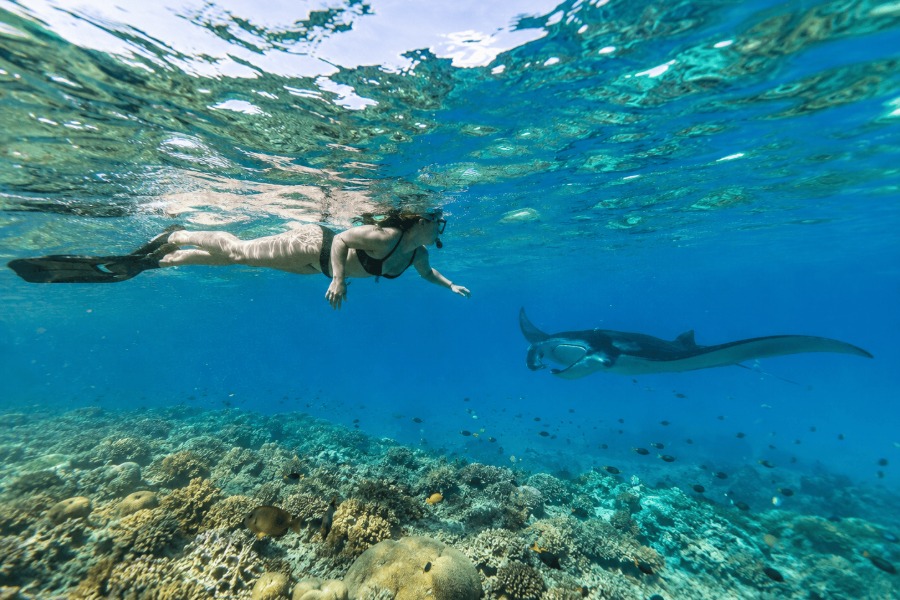
Imagine hovering above a deep oceanic ravine while a gentle giant, spanning four meters across, glides effortlessly just inches beneath your fins. This is the reality of nusa penida snorkeling, an unforgettable aquatic adventure located just a short ocean crossing away from mainland Bali. Known for its dramatic limestone cliffs, vibrant marine ecosystems, and resident population of reef manta rays, Nusa Penida has earned its reputation as a world-class marine sanctuary.
Whether you are a seasoned free-diver or a casual swimmer dipping your mask into tropical waters for the first time, planning a marine excursion here requires precise local knowledge. From managing dynamic swell patterns to choosing the right certified crew, this comprehensive guide provides the practical insights, safety protocols, and location breakdowns you need for an extraordinary day on the water.
Top Spots for Snorkeling: Where to Find Mantas and Coral Gardens
The island’s coastline is dotted with distinct marine environments, each offering a unique underwater landscape. Navigating these locations requires an understanding of local currents, depths, and resident species.
Manta Point: Swimming with Oceanic Giants
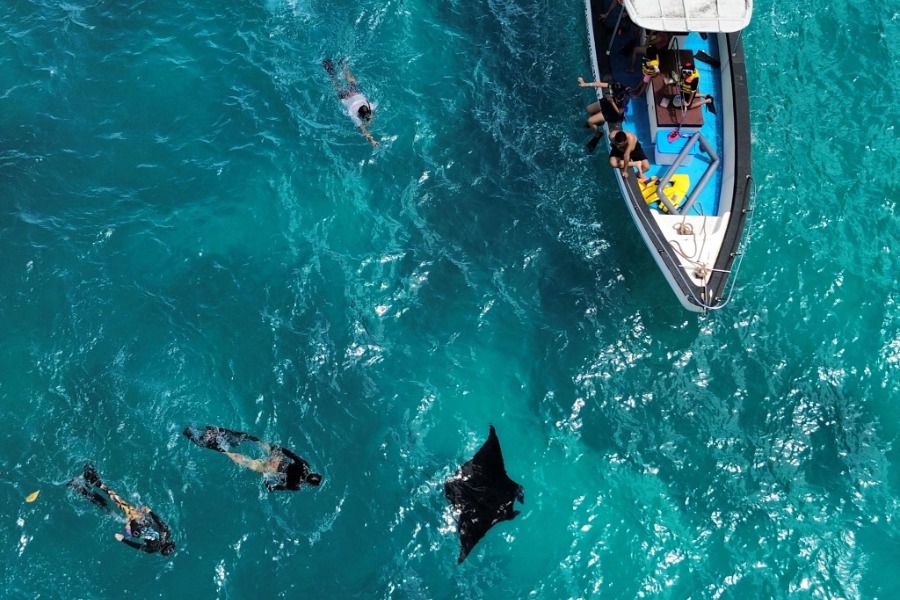
Located along the rugged southern coast of the island, Manta Point is a premier cleaning station for Mobula alfredi (reef manta rays). Here, giant mantas gather year-round to allow tiny cleaner wrasse to feed on parasites attached to their skin. Water temperatures here can drop to 20°C–22°C due to deep-sea upwellings, but the chance to observe these majestic creatures hovering in the surge makes the cooler swim well worth it. Successful manta point snorkeling relies heavily on calm surface conditions, as this site faces the open Indian Ocean and is subject to significant swell.
Crystal Bay: Sheltered Waters and Macro Life
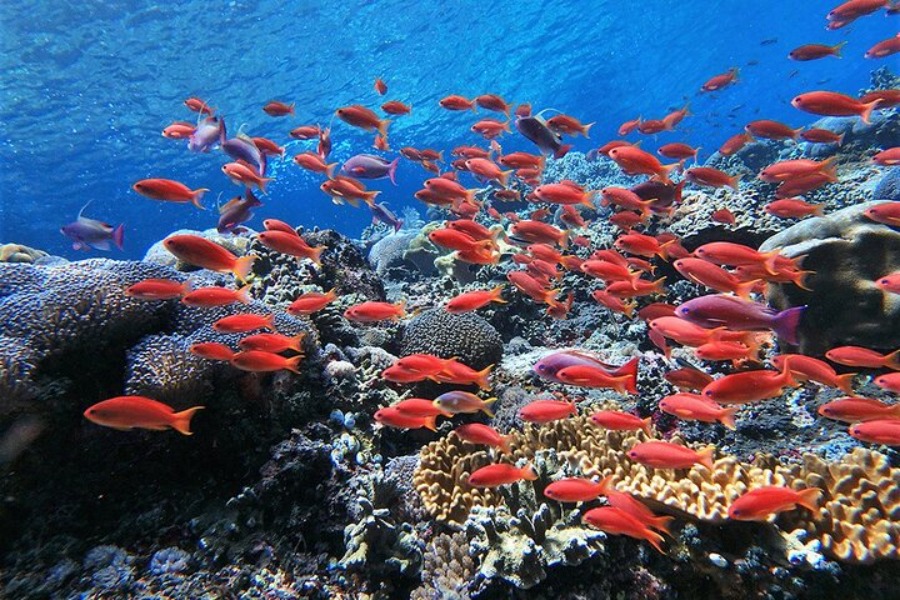
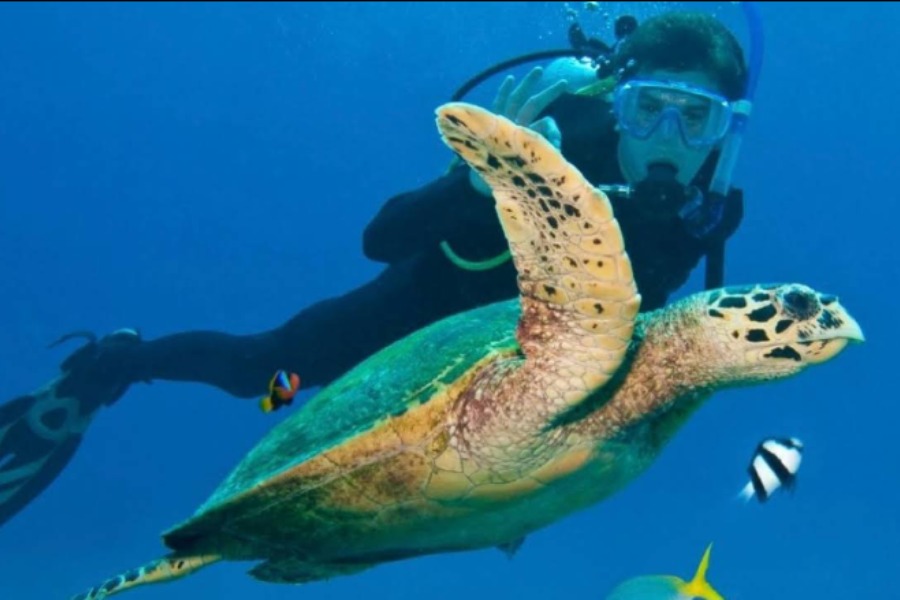
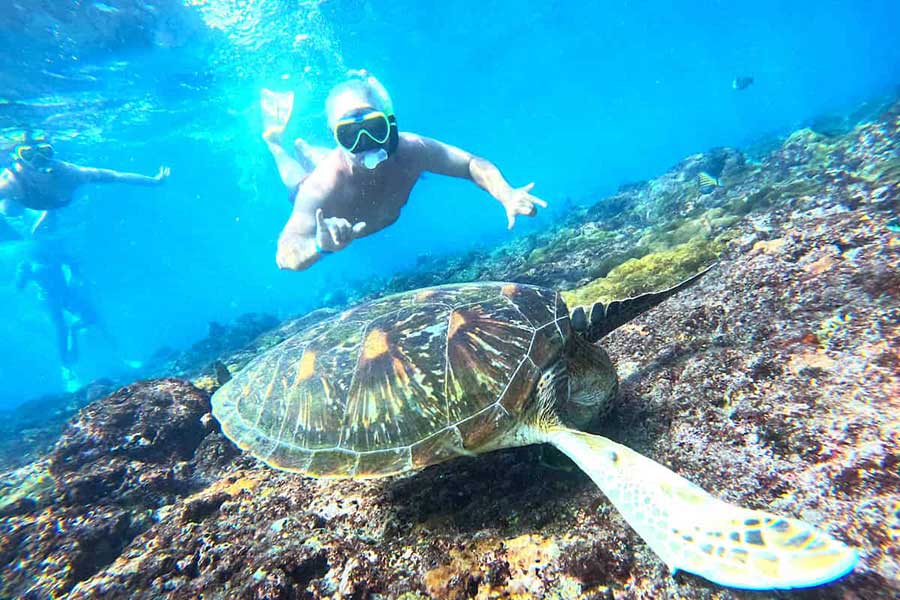
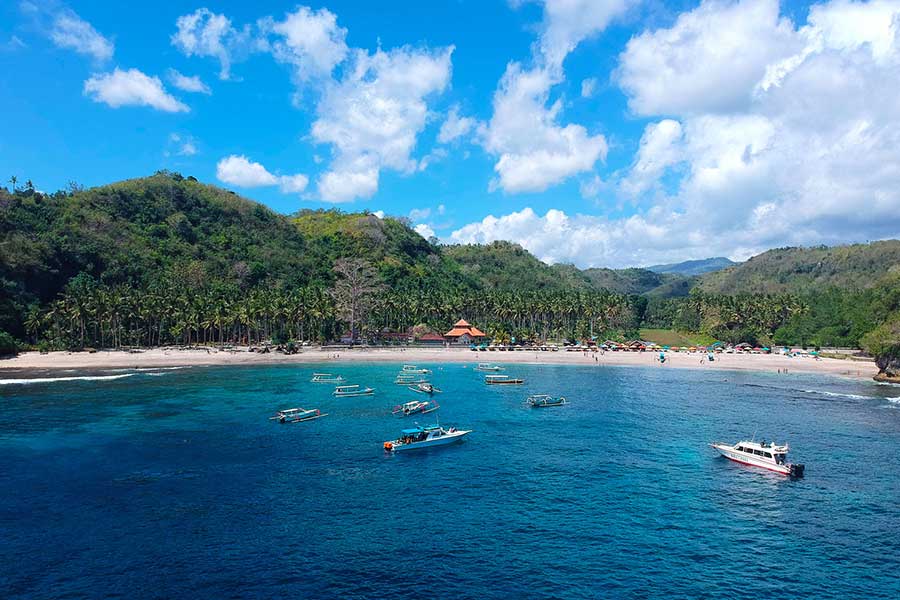
Nestled in a sheltered cove on the western shore, Crystal Bay is renowned for its exceptional water clarity, often exceeding 20 meters. The shallow sandy entry transitions into a bustling coral garden packed with staghorn, table, and brain corals. It is one of the best locations in the region to spot green sea turtles (Chelonia mydas) resting along the reef edge or coming up for air. Due to its protected bay layout, it serves as an ideal warm-up spot for swimmers of all experience levels.
Gamat Bay: Coral Walls and Rich Biodiversity
For travelers seeking a vibrant marine nursery, Gamat Bay offers a dramatic underwater wall dropping into deeper waters. Because the bay acts as a funnel for the nutrient-rich waters flowing through the Lombok Strait, it supports an exceptionally dense population of nudibranchs, clownfish, giant clams, and hawksbill turtles. Swimming here requires careful navigation, as currents near the outer drop-off can strengthen quickly during tide changes.
Snorkeling Spot Breakdown: Depth, Wildlife, and Skill Level
Manta Point
- Average Depth: 5 to 12 meters
- Key Marine Species: Reef Manta Rays, Blue-Spotted Stingrays, Nurse Sharks
- Swimmer Difficulty: Moderate to Advanced (Open ocean swell present)
- Optimal Time of Day: Early Morning (07:30 AM – 10:00 AM)
Crystal Bay
- Average Depth: 2 to 8 meters
- Key Marine Species: Green Sea Turtles, Butterflyfish, Porcupinefish
- Swimmer Difficulty: Beginner to Intermediate
- Optimal Time of Day: Late Morning to Early Afternoon
Gamat Bay
- Average Depth: 3 to 15 meters (Wall drop-off)
- Key Marine Species: Hawksbill Turtles, Nudibranchs, Coral Reef Fish
- Swimmer Difficulty: Intermediate to Advanced (Stronger currents)
- Optimal Time of Day: Slack tide (Between high and low tides)
Seasonal Waves and Weather: Timing Your Expedition
Understanding oceanography and seasonal weather shifts is crucial when organizing a nusa penida snorkeling itinerary. The island experiences two primary marine seasons, each offering distinct underwater conditions.
- The Dry Season (May to October): Brings trade winds, low humidity, and optimal underwater visibility (often reaching 25+ meters). This is also the peak window for sighting the elusive Mola mola (Ocean Sunfish) in deeper waters. However, strong southeasterly winds can generate larger ocean swells along southern sites.
- The Wet Season (November to April): Characterized by rain showers and warmer water temperatures (around 28°C) with smaller open-ocean swells. Manta rays remain present at cleaning stations throughout the wet season, making wildlife encounters consistent year-round.
Logistics and Safety Guidelines
Navigating the waters surrounding Nusa Penida demands respect for the ocean. Following strict safety protocols ensures a safe and memorable excursion when embarking on a nusa penida snorkeling trip.
How to Get There from Sanur Port
Your journey begins at Sanur Harbor on mainland Bali. Fast boats depart daily between 07:30 AM and 09:00 AM, making the 30-to-40-minute crossing across the Badung Strait to major Penida ports such as Toyapakeh, Buyuk, or Sampalan. To maximize your time in the water, arrange a private or small-group nusa penida boat tour directly from the harbor.
Marine Safety Protocols & Gear Rental
- Wear a Life Jacket: Regardless of your swimming ability, strong surge and changing currents can induce fatigue quickly.
- Guide Ratios: Choose licensed local operators who maintain a strict guide-to-guest ratio (ideally 1 guide per 4–5 snorkelers).
- Reef-Safe Sunscreen: Protect delicate coral polyp colonies by applying mineral-based sunscreens containing zinc oxide or titanium dioxide.
- Wildlife Distance: Maintain a minimum distance of 3 meters from manta rays and sea turtles. Never touch, chase, or feed marine life.
Essential Packing List for a Nusa Penida Day Trip
Planning a seamless nusa penida day trip requires bringing the right gear for both land and sea travel:
- Dry Bag (10L–15L): Essential for protecting electronics, cameras, and dry clothes from spray on open speedboats.
- Proper Footwear: Reef shoes or sturdy sandals for walking across rocky shorelines and boat ladders.
- Personal Snorkel Gear: While operators provide equipment, bringing your own well-fitted silicone mask prevents fogging and leaks.
- Hydration & Electrolytes: Tropical sun exposure combined with active swimming can cause dehydration quickly.
- Reef-Safe Sun Protection: A long-sleeve rashguard offers UPF protection without washing chemicals into the sea.
Plan Your Ultimate Marine Adventure with Nusablu
Whether you are looking to float peacefully above vibrant reef gardens or dive deep alongside majestic ocean giants, having an experienced team by your side makes all the difference. For a premium, safe, and unforgettable ocean experience, book your next nusa penida snorkeling journey with Nusablu.
Specializing in top-tier nusa penida snorkeling tours and scuba diving excursions, Nusablu provides certified guides, high-quality gear, and tailored itineraries designed for all skill levels. Explore customized packages like the paket snorkeling nusa penida and experience the ultimate nusa penida snorkeling adventure in Bali’s underwater paradise with absolute confidence.
Ready to make a splash? Contact Nusablu today to reserve your snorkeling or diving excursion!
Frequently Asked Questions (FAQ)
Can non-swimmers participate in manta ray excursions?
Yes, non-swimmers can join boat excursions provided they wear a certified life jacket and stay accompanied by a personal guide.
What should I do if I suffer from motion sickness?
Take a recommended motion sickness tablet 30 to 60 minutes before boarding the fast boat at Sanur Port for maximum effectiveness.
What is the water temperature like around Nusa Penida?
Sheltered bays like Crystal Bay typically hover around 27°C to 29°C, while Manta Point can drop to 20°C to 23°C due to deep-water upwellings.
How do I choose the best spot for my trip?
To find the best locations for a nusa penida snorkeling excursion on any given morning, consult your local boat captain regarding daily tide tables and swell forecasts.