Diving Nusa Penida for a Safe and Memorable Adventure
Diving Nusa Penida offers an exciting opportunity to explore Bali’s underwater world, discover vibrant coral reefs, and observe marine wildlife in its natural habitat. Located southeast of mainland Bali, Nusa Penida is known for its diverse marine environments, dramatic underwater landscapes, and opportunities to encounter manta rays and other fascinating sea creatures.
However, a successful diving experience involves more than choosing a beautiful location. Divers should consider their certification, previous experience, local currents, equipment, and the quality of the diving operator. Careful planning helps create a rewarding adventure while keeping safety a priority.
Whether you are a beginner interested in an introductory diving experience or a certified diver seeking new underwater discoveries, understanding the available options will help you make an informed decision. This guide explains how to choose dive sites, prepare for your trip, understand local conditions, and enjoy Nusa Penida’s marine environment responsibly.
Why Choose Diving Nusa Penida?
Nusa Penida attracts divers with its coral reefs, varied underwater terrain, tropical fish, and opportunities to encounter larger marine animals. Each dive site offers a different experience, making the island an appealing destination for travelers who want to explore Bali beyond its beaches and cultural attractions.
One of the region’s distinctive features is its changing ocean conditions. Currents can vary according to tides, underwater terrain, and local weather. Some sites may offer drift diving, in which divers move with the current while following an appropriate dive plan.
These conditions can make diving interesting, but they also require proper preparation. Beginners should choose an introductory program that matches their abilities, while certified divers should discuss their recent experience and comfort with currents before selecting a site.
Marine life is another major attraction. Manta rays, sea turtles, reef fish, and other species may be encountered depending on the location and conditions. Sightings are never guaranteed, so the best approach is to appreciate the underwater environment without disturbing its inhabitants.
Explore the Best Dive Sites in Nusa Penida
Choosing a dive site is an important part of planning your trip. The right location depends on your certification, experience, interests, and the conditions on the day of your dive.
Crystal Bay for Underwater Exploration
Crystal Bay is known for its underwater scenery and seasonal opportunities to encounter mola-mola, also known as ocean sunfish. Its marine environment attracts divers interested in exploring underwater landscapes and observing marine species.
Conditions at Crystal Bay can change, and currents may make certain areas unsuitable for inexperienced divers. Water temperatures can also vary. Before entering the water, follow your guide’s assessment and avoid attempting a challenging dive solely to see a particular animal.
Manta Point for Marine Wildlife
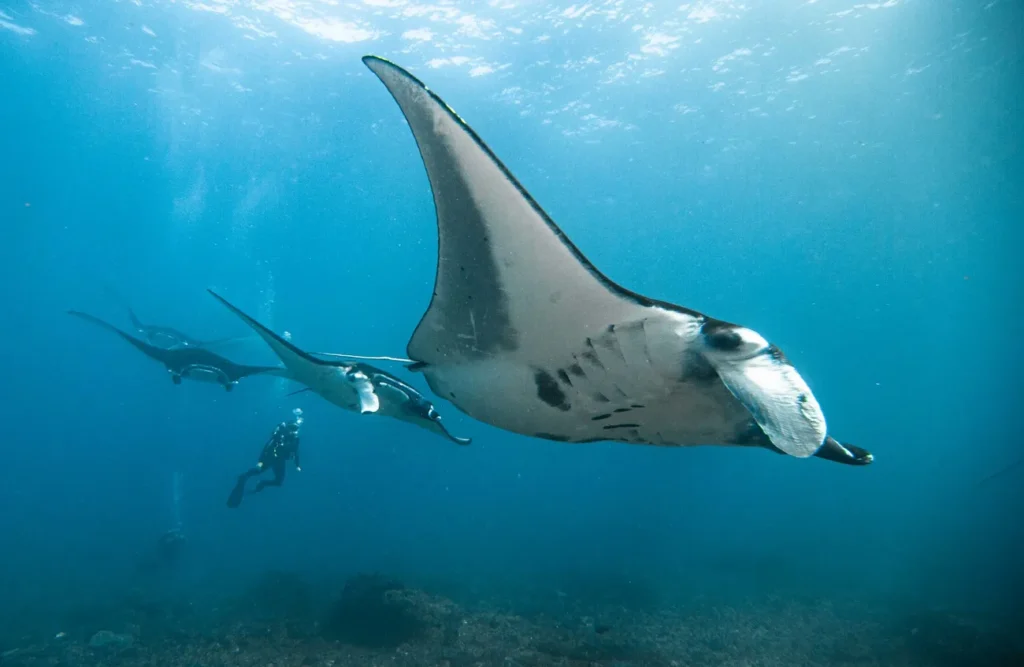
Manta Point is one of Nusa Penida’s well-known locations for manta ray encounters. Seeing these graceful animals in their natural environment can be a memorable part of a diving trip.
Responsible observation is essential. Maintain an appropriate distance, avoid touching the animals, and follow your guide’s instructions. These practices help reduce disturbance and allow divers to appreciate marine wildlife more responsibly.
Ped and SD Point for Coral Reefs
Ped and SD Point offer opportunities to explore coral reefs and observe tropical fish. Depending on local conditions and the planned route, some dives in these areas may involve drift diving.
Ask your operator whether the planned dive requires previous experience with currents. Your certification alone does not determine whether every site is suitable. Buoyancy control, navigation skills, recent diving activity, and the guide’s assessment should also influence the decision.

Choose the Right Diving Experience
Diving Nusa Penida is available through different programs designed for different experience levels. Understanding these options helps you select an activity that matches your abilities and expectations.
Discover Scuba Diving for Beginners
Discover Scuba Diving is an introductory experience for people who do not hold a scuba diving certification. Under an instructor’s supervision, participants receive basic instruction and learn essential skills before entering the water.
The program is intended to introduce scuba diving rather than qualify participants for independent recreational dives. The permitted depth, location, and activities must follow the applicable training standards and the instructor’s assessment.
If this is your first underwater experience, tell the operator about your concerns, comfort in the water, and any relevant health considerations before booking.
Fun Diving for Certified Divers
Fun diving is suitable for certified divers who want to explore local dive sites without enrolling in another certification course.
The guide can help plan the dive according to your certification, recent experience, interests, and prevailing sea conditions. Before booking, provide your certification level and information about your last dive.
This information helps the operator assess which sites are appropriate and whether additional supervision or experience is needed.
Diving Courses and Skill Development
Divers who want to improve their abilities can consider training with a qualified instructor. Depending on the course offered, training may cover buoyancy control, underwater navigation, and other recreational diving skills.
Choose a program that matches your current ability and learning goals. Gradual skill development is more appropriate than attempting demanding conditions without sufficient preparation.
How to Plan Your Diving Nusa Penida Trip
Good planning helps you enjoy the trip without unnecessary stress. Transportation, departure times, equipment preparation, and possible changes in sea conditions should all be considered before your activity.
If you are traveling from mainland Bali, confirm the boat departure point, crossing schedule, and meeting location with your diving operator. Travel times may vary because of port conditions, weather, waves, and transportation arrangements.
Before confirming your booking, check the following details:
- Planned dive sites and possible changes to the route.
- Number of dives and estimated activity duration.
- Certification and experience requirements.
- Equipment availability and pre-dive checks.
- Pickup arrangements and boat transportation.
- Meals, drinking water, and other included services.
- Rescheduling or cancellation policies for unsafe conditions.
- Recommended no-fly interval after diving.
Request a clear breakdown of the package before making payment. Prices can reflect different services, so compare equipment, supervision, transportation, and other inclusions rather than choosing an option based on cost alone.
It is also sensible to avoid scheduling a flight too soon after diving. Follow the recommended no-fly interval for your dive profile and current diving guidance, and consult your diving professional if you are unsure.
Understand Currents and Sea Conditions
Ocean conditions are an important consideration when planning a dive in Nusa Penida. Tides, underwater geography, waves, and local weather can affect current strength, visibility, and the suitability of individual sites.
A location that appears calm from the surface may have different conditions underwater. For this reason, every dive should begin with a clear briefing and an assessment by the responsible diving professional.
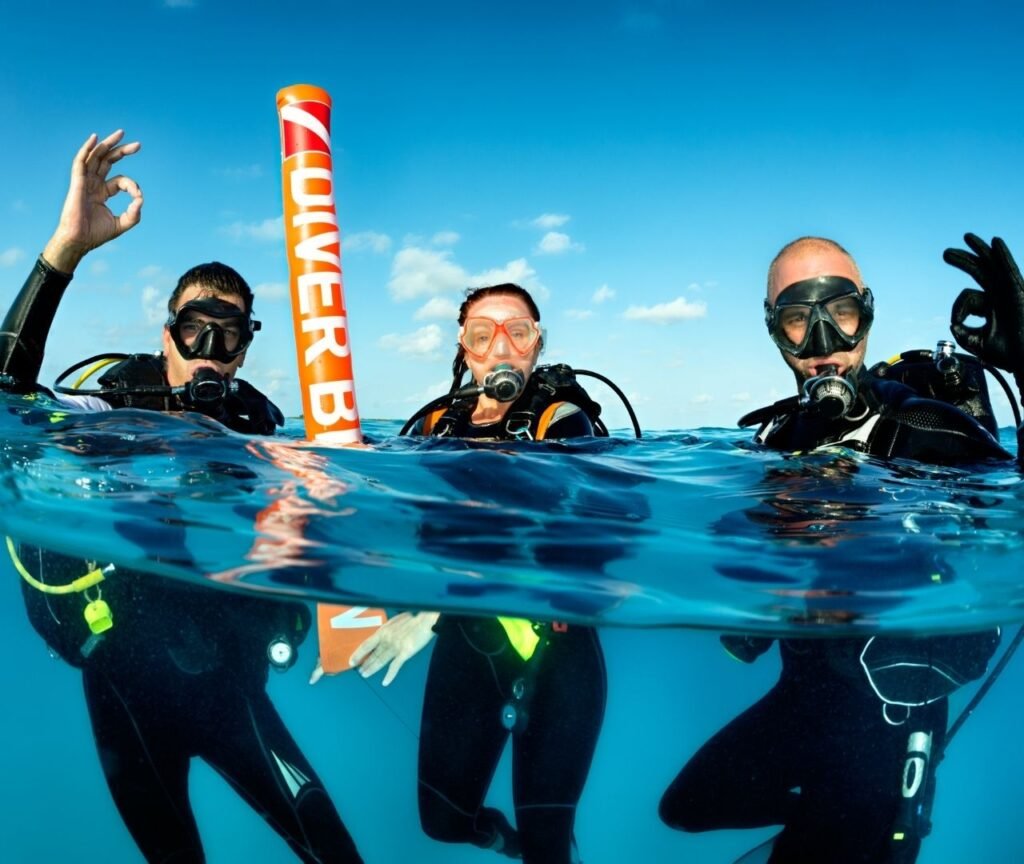
Before entering the water, make sure you understand the planned depth, entry and exit points, group procedures, separation protocols, and emergency arrangements. Ask about the use of a surface marker buoy when appropriate and make sure you understand how to communicate with your guide.
Never feel pressured to continue if you do not understand the plan or believe the conditions exceed your abilities. A responsible operator should be willing to adjust the route or cancel a dive when necessary.
Changing a dive site is a normal part of responsible planning. Safety should always take priority over a particular destination or wildlife encounter.
Prepare Your Diving Equipment
Suitable equipment helps you participate comfortably and follow the dive plan. Operators may provide the main scuba equipment, but you should confirm what is included and ensure that everything fits properly.
Common scuba equipment includes a mask, fins, regulator, buoyancy control device (BCD), scuba cylinder, weights, and exposure protection appropriate for the water conditions. A dive computer and underwater compass may also be used according to the planned activity and your experience.
Before departure, use this checklist:
- Confirm that your mask fits comfortably and seals properly.
- Check your regulator, BCD, and other equipment with your guide.
- Wear suitable exposure protection for the expected conditions.
- Bring a towel, a change of clothes, and sun protection.
- Inform the operator about relevant health considerations.
- Avoid diving when you are unwell or do not feel ready.
Equipment checks are an essential part of diving preparation, not merely a formality. If you are unfamiliar with any item, ask your instructor or guide to explain its purpose before the dive.
When Is the Best Time for Diving in Nusa Penida?
Bali’s dry season generally runs from around April to October and is often considered for outdoor and marine activities. However, the calendar alone cannot determine the best conditions for diving Nusa Penida.
Visibility, currents, waves, water temperature, and daily weather can influence the experience throughout the year. Conditions may also differ between nearby dive sites on the same day.
Travelers hoping to see manta rays or mola-mola should ask their operator about seasonal patterns and recent sightings. Manta rays may be encountered at different times of the year, while mola-mola sightings are associated with particular seasonal conditions.
Neither a specific month nor a particular dive site guarantees a wildlife encounter. Keeping your itinerary flexible gives you more room to adapt if the operator recommends changing the location or schedule.
How to Choose a Professional Diving Operator
The diving operator you choose can influence your safety, comfort, and overall experience. Take time to assess the service before confirming your reservation.
First, check the qualifications of the instructors or guides and ask about their experience with the planned sites. Confirm that the equipment is appropriately maintained and that the proposed group size allows suitable supervision.
A professional operator should ask about your certification and recent diving experience. The team should also explain relevant risks, site limitations, equipment procedures, and the possibility of changing the dive plan.
It is worth asking about emergency procedures, first-aid arrangements, communication methods, and the services included in the price. Clear answers help you understand what to expect before arriving.
For diving services in Nusa Penida, you can explore the available options from Nusa Blu. Contact the provider directly to confirm schedules, program requirements, equipment inclusions, and suitability for your experience level before booking.
Protect Nusa Penida’s Marine Environment
Nusa Penida’s underwater habitats are an important part of its appeal. Responsible diving helps reduce the impact of tourism on coral reefs and marine wildlife.
Maintain good buoyancy and avoid touching the seabed or coral. Do not collect marine organisms or remove natural objects as souvenirs. When observing manta rays, sea turtles, or other animals, follow your guide’s instructions and leave enough space for them to move naturally.
You can also help protect the ocean by taking your rubbish back to shore and choosing operators that encourage responsible marine tourism.
Small actions make a difference when practiced consistently. By respecting marine habitats and wildlife, divers can help preserve the underwater environment for future visitors and local communities.
Make Your Nusa Penida Diving Experience Count
A rewarding diving trip combines preparation, suitable site selection, responsible guidance, and respect for the marine environment. Before booking, consider your experience level, understand the local conditions, and confirm what the package includes.
Diving Nusa Penida can offer memorable opportunities to explore coral reefs and encounter marine wildlife, provided the activity matches your abilities and the conditions are appropriate. Beginners should choose supervised introductory programs, while certified divers should communicate openly about their experience and skills.
Take time to ask questions, follow the dive briefing, and remain flexible when conditions change. With these practical steps, you can approach your underwater adventure with greater confidence and make responsible choices throughout your trip.
Frequently Asked Questions
What makes diving Nusa Penida different from other diving destinations in Bali?
Nusa Penida offers diverse marine life, coral reefs, varied underwater terrain, and opportunities to encounter manta rays and seasonal mola-mola. Currents can vary between sites, so choosing a dive that matches your experience is essential.
Can beginners go diving in Nusa Penida?
Yes, beginners may be able to join an introductory scuba diving program under a qualified instructor’s supervision. Participants must meet the program requirements, and the instructor determines the appropriate location and activity based on safety considerations.
How long does a diving trip in Nusa Penida take?
The duration depends on the number of dives, selected sites, briefings, sea conditions, and transportation arrangements. Confirm the expected start time, return time, and total activity duration with your operator before booking.
Can I see manta rays on every Nusa Penida diving trip?
No. Manta rays are associated with several local dive sites, but sightings depend on natural conditions and are never guaranteed. Choose an operator that prioritizes safe diving practices and responsible wildlife observation.
What happens if sea conditions become unsafe?
Your diving operator may change the dive site, reschedule the activity, or cancel the dive if conditions are considered unsafe. Follow the guide’s assessment and clarify the operator’s rescheduling policy before confirming your booking.