Nusa Penida Snorkeling: How to Observe Marine Life Without Disturbing It
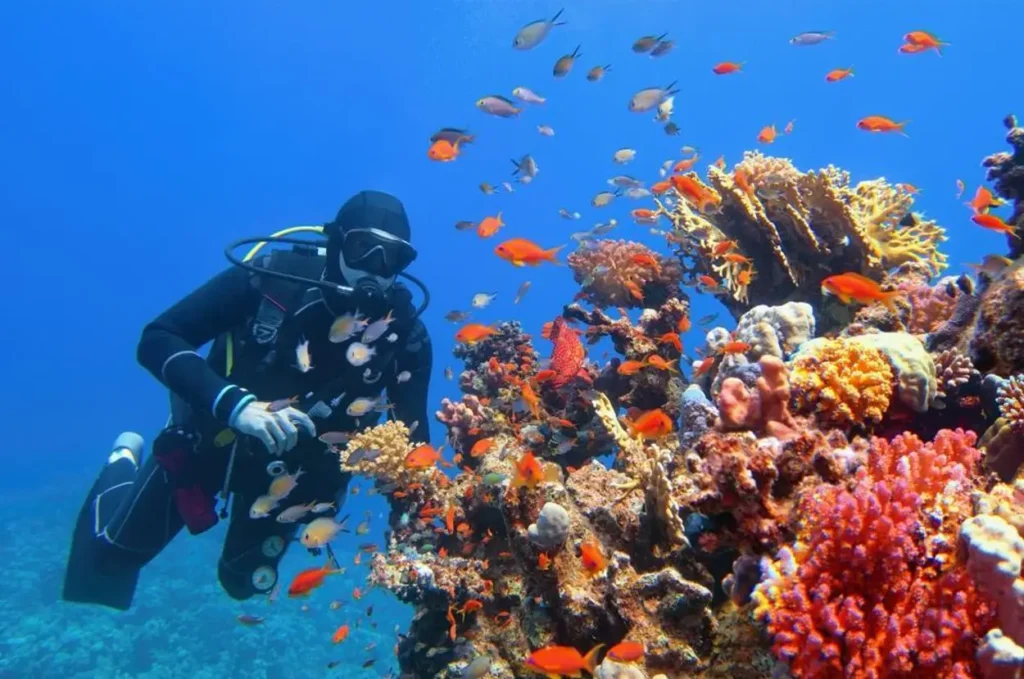
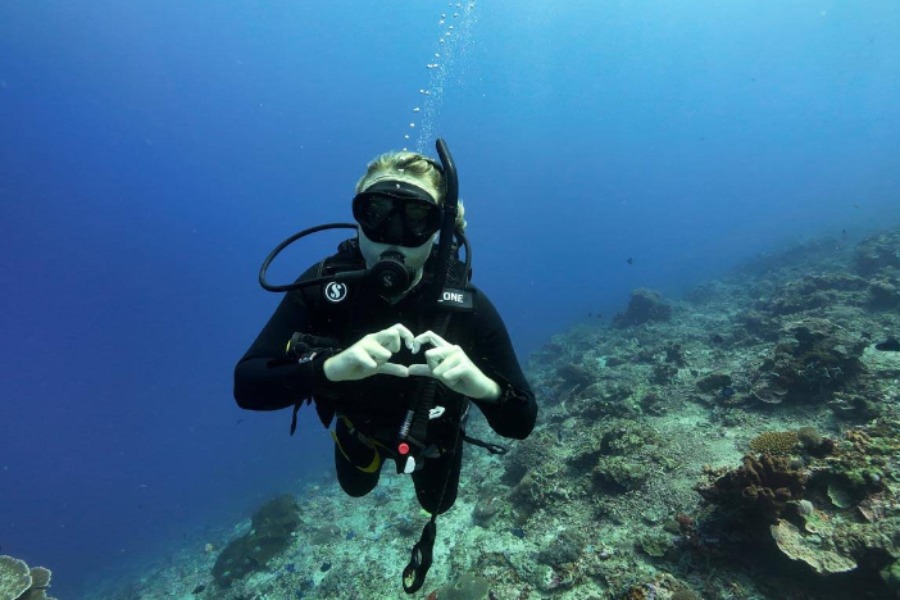
For travelers exploring the waters around Bali, Nusa Penida snorkeling offers an inviting opportunity to observe marine wildlife in its natural environment. Floating at the surface allows visitors to watch tropical fish, sea turtles, and—in specific locations and sea conditions—manta rays moving through coastal waters.
Yet observing wild marine animals carries a clear responsibility. Swimming too close, reaching out to touch an animal, or chasing a creature for a closer look can disrupt natural behaviors and place stress on fragile habitats. Responsible snorkeling Nusa Penida outings are not only about enjoying underwater scenery; they are also about ensuring human presence does not create unnecessary disturbance beneath the waves.
Why Responsible Snorkeling Matters in Nusa Penida
Practicing ethical snorkeling helps protect both marine organisms and the quality of the visitor experience itself. When snorkelers enter coastal habitats, every movement near the surface or reef carries potential consequences.
- Direct Observation in Natural Habitats: Snorkeling lets visitors watch marine creatures in their living environment rather than behind glass, making mindful conduct essential.
- Behavioral Disruption From Unchecked Proximity: Crowding, chasing, or lunging toward wildlife can cause animals to flee, abandon feeding or resting spots, or expend energy needlessly.
- Vulnerability of Delicate Organisms: Soft tissues, coral polyps, and marine skins are sensitive to physical contact that casual swimmers may not realize is harmful.
- Cumulative Pressure on Habitats: Repeated disturbance from large groups or careless fin kicks adds ongoing stress to coastal reefs and wildlife areas.
- Personal Choice Shapes Tourism: Responsible marine tourism depends on individual visitor habits—how calmly you float, how much space you give, and whether you follow site guidance.
Observing Wildlife Is Different From Interacting With It
A helpful starting point for marine life observation is separating quiet viewing from active interaction. Wild animals are not performers or pets waiting to engage with people; they are navigating daily routines such as foraging, resting, traveling, and avoiding predators.
Allowing marine creatures to move, feed, and rest on their own terms is a core principle of responsible wildlife tourism. A memorable snorkel does not require touching an animal or prompting a reaction—simply witnessing natural behavior from a respectful distance is often far more rewarding.
How to Observe Manta Rays Without Disturbing Them
Encounters while snorkeling with manta rays are a major draw for many visitors around Nusa Penida. Because manta rays are large, graceful swimmers, it is easy to underestimate how quickly a swimmer can crowd them or block their path.
Key manta ray snorkeling etiquette practices include:
- Keep a Respectful Distance: Observe from a measured distance set by site guidelines and your guide so the ray can glide freely without feeling cornered.
- Do Not Chase or Swim Directly Toward Them: Swimming straight at a manta ray or pursuing it as it turns can cause the animal to change course or dive away.
- Never Touch Any Part of the Body: Avoid touching the wings, head, tail, or underside of a manta ray.
- Do Not Block Their Path: Stay clear of the ray’s swimming line so it does not have to swerve or brake around snorkelers.
- Avoid Surrounding or Circling: Multiple snorkelers boxing in a single ray for photos can restrict its movement and create stress.
- Let the Animal Set the Pace: Allow the manta ray to choose its own direction and distance rather than trying to match or intercept its path.
- Follow Guide Positioning Rules: Listen to your guide regarding where to float, how to orient your body, and when to reposition.
Why You Should Never Chase or Touch Manta Rays
Chasing a manta ray interrupts whatever natural activity it is engaged in—whether traveling, feeding, or resting—and forces it to react to human pressure. Avoiding physical contact and staying out of its swimming lane reduces unnecessary disturbance and keeps human-wildlife encounters calm and predictable. Rather than focusing on dramatic claims about what happens after a single touch, the guiding principle is straightforward: minimize physical contact and avoid actions that disrupt natural movement.
Respecting Manta Rays at Feeding and Cleaning Areas
Certain marine areas serve essential ecological functions for manta rays, such as feeding zones where currents concentrate plankton or cleaning stations where small cleaner fish pick parasites and dead tissue from their skin.
When observing in these areas:
- Keep Feeding Lanes Clear: Do not swim across or block a manta ray’s path while it is feeding near the surface or mid-water.
- Avoid Crowding Key Spots: Hovering too closely over a cleaning station or feeding zone can deter manta rays from using vital habitat features.
- Do Not Interrupt Cleaning Interactions: Give manta rays and cleaner fish space so natural cleaning relationships can proceed undisturbed.
- Move Calmly Without Sudden Splashes: Keep arm and fin movements smooth rather than making abrupt splashes or lunges.
- Observe Local and Operator Rules: Specific sites around Nusa Penida may have local rules or operator protocols governing entry, positioning, or time spent in an area; always verify and follow current site-specific rules rather than assuming every manta area has identical restrictions.
Responsible Snorkeling Around Sea Turtles
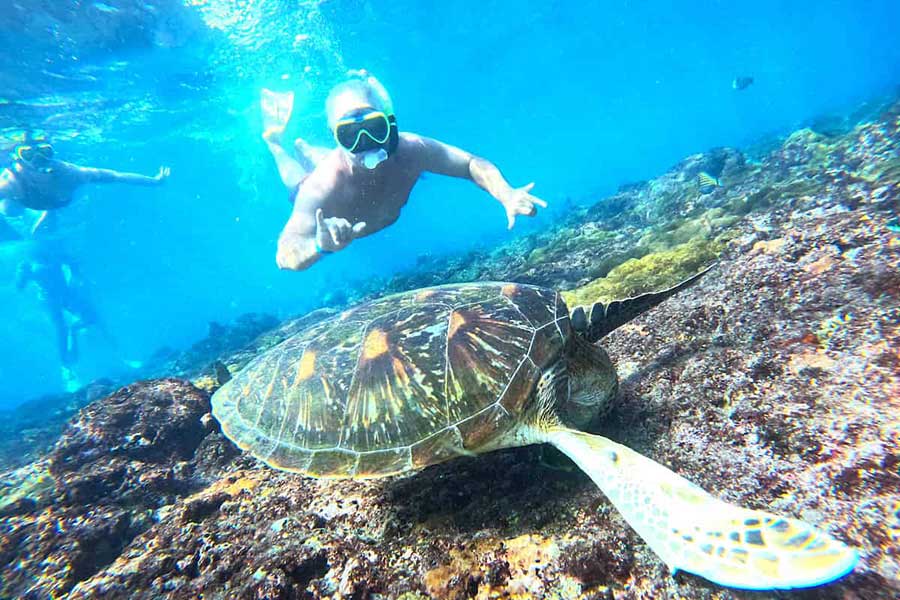
Spotlighting snorkeling with sea turtles requires the same patience and restraint. Sea turtles move at a deliberate pace underwater, yet they can easily be stressed if surrounded or pursued by groups of snorkelers.
Follow these sea turtle snorkeling guidelines during your session:
- Give Turtles Room to Move: Turtles need unobstructed space to swim along reefs, forage on seagrass or algae, and rest.
- Do Not Chase or Touch: Avoid swimming after a turtle or reaching out to touch its shell, flippers, or head.
- Keep the Path to the Surface Open: Sea turtles are air-breathing reptiles that must surface periodically to breathe; never hover directly above a turtle or block its ascent.
- Do Not Disturb Resting or Feeding Turtles: Leave turtles alone when they are resting under ledges or grazing quietly on the bottom.
- Never Feed Sea Turtles: Offering food alters natural foraging behavior and is harmful to wildlife.
- Maintain Distance and Avoid Crowding: Do not herd together with other snorkelers to corner or encircle a single turtle.
Why Sea Turtles Need Space to Move Freely
Sea turtles rely on uninterrupted movement to find food, escape threats, and surface for air. When swimmers crowd them or cut across their path, turtles may change their breathing rhythm, abandon a meal, or swim away rapidly to escape perceived pressure. Treating a sea turtle as a photo prop to be chased or touched turns a natural encounter into an intrusive one.
What to Do When a Sea Turtle Approaches You
Occasionally, a sea turtle swimming along its own route may pass near or swim toward an area where snorkelers are floating. When that happens:
- Stay Calm and Still: Float smoothly without sudden kicks, splashes, or rapid arm movements.
- Do Not Reach Out or Follow: Keep your hands to yourself and do not swim after the turtle if it passes by or turns away.
- Give Space to Move On: Allow the turtle plenty of room to continue its path or swim away freely.
- Follow Your Guide’s Lead: If snorkeling with a guide, follow their instructions on positioning and group spacing.
Avoid trying to prolong an encounter or steer the situation to get closer shots—letting the turtle decide how close it comes keeps the interaction natural.
Protecting Coral Reefs While Snorkeling
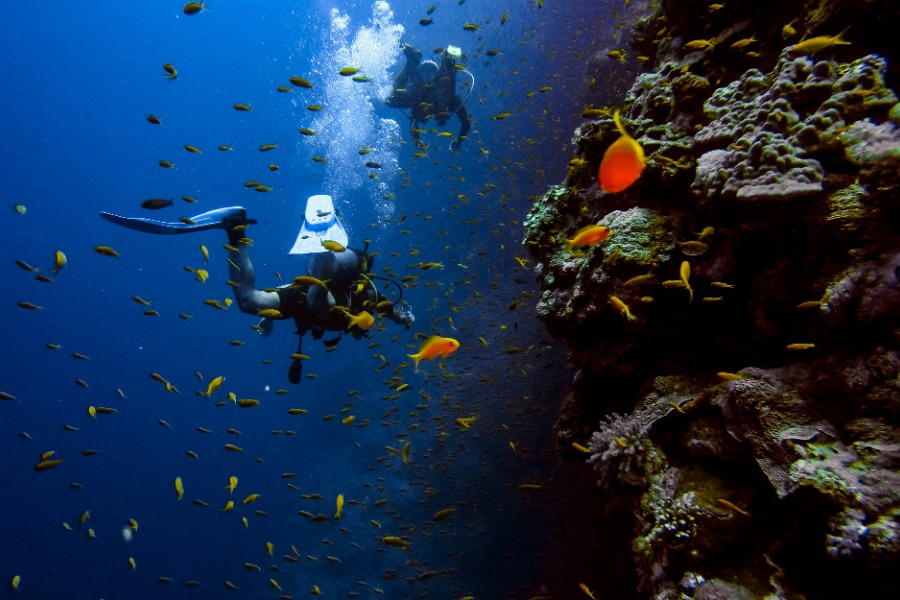
Coral reef protection is central to marine ecosystem protection during any snorkel trip. Corals form living, three-dimensional structures that shelter countless reef fish, crustaceans, and invertebrates.
Strong snorkeling safety guidelines around reefs include:
- Treat Corals as Living Structures: Coral colonies are built by living organisms and form vital habitats rather than rocks or ledges.
- Prevent Physical Contact: Touching, pushing off, or brushing against corals can damage fragile skeletal surfaces and living tissue.
- Never Stand or Hold On: Do not stand on coral heads or grab onto the reef to adjust your mask, rest, or steady yourself.
- Watch Your Gear and Body Position: Dangling snorkel consoles, straps, or horizontal leg positions can bump corals if you float too low.
- Keep Distance From the Seabed: Maintain a safe buffer above the reef so you do not scrape or kick fragile formations.
- Leave Nothing Behind: Never drop trash, cigarette butts, or foreign items into the water.
Why Touching or Standing on Coral Is Harmful
Corals are composed of delicate living polyps over calcium carbonate skeletons that grow slowly over time. Pressure from standing, gripping, or fin strikes can fracture brittle branches, abrade sensitive tissue, and leave wounds that weaken the colony. Even localized damage can harm shelter used by small reef organisms—which is why coral reef conservation starts with avoiding unnecessary physical contact altogether.
How to Avoid Accidental Contact With the Reef
Simple habits help prevent accidental reef contact during Nusa Penida snorkeling:
- Do Not Stand or Grab: If you feel tired or need to adjust gear, float on your back, use a flotation aid if needed, or signal your boat or guide rather than standing on the bottom.
- Mind Your Fins and Feet: Keep your legs near the surface and avoid bicycle-kicking or letting fins drag near shallow corals.
- Keep Fins Clear of the Bottom: Use slow, controlled fin strokes and stay in deeper water above shallow coral gardens.
- Do Not Take or Move Anything: Never break off coral, collect shells, or pick up marine organisms as souvenirs.
- Follow Guide Zone Directions: Swim only in designated areas indicated by your guide or local site rules.
Snorkeling Behaviours That Should Be Avoided
Many unwanted impacts on Nusa Penida marine life happen when visitors act on impulse or try to get a closer view. Being aware of snorkeling environmental impact helps you spot habits to avoid before you enter the water.
Behaviors to avoid include:
- Chasing Wildlife for Photos or Video: Pursuing fish, turtles, or manta rays pressures animals and disrupts natural behavior.
- Touching Marine Animals: Reaching out to touch manta rays, turtles, fish, or other creatures causes avoidable contact and stress.
- Feeding Fish or Wildlife: Feeding disrupts natural diets and can alter how animals gather or behave around boats and swimmers.
- Blocking Swimming Paths: Cutting in front of moving wildlife forces animals to alter their route.
- Surrounding Animals in Large Groups: Crowding a single creature from multiple angles limits its space to move freely.
- Collecting Souvenirs: Taking shells, coral pieces, or marine life removes natural habitat components and harms local ecosystems.
- Littering or Leaving Waste: Discarding plastic or trash pollutes marine habitats and creates entanglement or ingestion hazards.
- Careless Fin Use Near Reefs: Kicking near shallow coral or stirring up sediment can injure corals and cloud visibility.
- Excessive Noise or Thrashing: Loud splashing or sudden movements can startle nearby marine life.
| Responsible Behaviour | Behaviour to Avoid |
| Observing manta rays from an appropriate distance | Chasing or touching manta rays |
| Allowing turtles to swim freely | Blocking or surrounding sea turtles |
| Keeping fins away from coral reefs | Standing on or kicking coral |
| Watching fish in their natural habitat | Feeding or trying to catch fish |
| Taking photos without approaching wildlife | Following animals for close-up shots |
| Taking rubbish out of the water when safe | Leaving plastic or other waste behind |
Note: This table offers general sustainable snorkeling practices for everyday reference. Where local site managers or authorities enforce specific rules, those rules take precedence.
How to Take Underwater Photos Without Disturbing Marine Life
Underwater photography etiquette is an important part of underwater wildlife protection because cameras can easily tempt snorkelers to swim closer, linger too long, or block an animal’s path.
To take respectful photos and videos:
- Put Observation First: Watch how the animal is behaving before raising a camera; never sacrifice calm observation for a shot.
- Use Zoom or Framing Rather Than Closing In: Maintain a respectful distance and use optical zoom or cropping later rather than swimming closer.
- Never Touch or Move Marine Life: Do not touch, hold, or reposition animals or reef features to compose a picture.
- Do Not Block Movement: Never swim ahead of a manta ray or turtle just to get a head-on shot.
- Be Cautious With Flash or Strobes: Avoid using flash or bright lights if they may startle wildlife or are restricted by local site rules.
- Limit Time Near One Animal: Avoid hovering over or following the same creature repeatedly while other snorkelers wait or the animal tries to move on.
- Follow Guide Instructions Over Camera Angles: Always prioritize your guide’s safety and positioning cues over getting a specific frame.
Why Wildlife Photography Should Not Interrupt Natural Behaviour
Good wildlife photography captures animals acting naturally in their habitat—not animals reacting to being chased or cornered. A calm, unhurried photo taken from an appropriate distance tells a more authentic story of the underwater world than a close-up captured at the expense of an animal’s peace.
Following Responsible Snorkeling Guidelines With Your Guide
A knowledgeable guide can make responsible snorkeling Nusa Penida much easier to practice, especially when sea conditions, boat traffic, or group size create extra complexity.
Helpful habits when snorkeling with a guide include:
- Listen Closely to the Pre-Snorkel Briefing: Pay attention before entering the water so you know how to observe wildlife and protect reefs.
- Learn Site Rules and Boundaries: Make sure you understand observation etiquette and habitat protection expectations for the day.
- Follow Distance and Positioning Cues: Stay where your guide directs and keep proper spacing from wildlife and other swimmers.
- Respect Restricted or Sensitive Areas: Do not swim into areas your guide indicates are off-limits or sensitive.
- Stay Aligned With Guide Instructions: Avoid freelancing, chasing animals, or ignoring safety directions once in the water.
- Alert Your Guide to Disturbances: If you see another swimmer touching coral, crowding wildlife, or dropping trash, let your guide know so they can address it safely.
What to Look for in a Responsible Snorkeling Operator
When choosing an operator for Nusa Penida snorkeling, look for practical signs of attentive guidance rather than relying on assumptions about an operator’s conservation credentials:
- Clear Wildlife Etiquette Briefings: Guides explain how to observe marine life calmly without chasing or touching animals.
- Focus on Participant Safety and Readiness: Staff check comfort, fit gear properly, and brief swimmers on water entry, exit, and conditions.
- No Encouragement to Touch or Chase: Guides do not urge guests to grab, ride, or pursue manta rays, turtles, or fish.
- Reef Protection Reminders: Staff remind swimmers to avoid standing on or kicking corals and keep gear off the reef.
- Guidance on Spacing and Paths: Guides help swimmers stay clear of swimming lanes and avoid crowding animals.
- Respect for Local Rules: Operations follow site-specific rules and local marine guidelines where applicable.
Making Your Nusa Penida Snorkeling Experience More Responsible
A great Nusa Penida snorkeling trip is measured by more than how many species you spot or how many photos end up on your camera roll. Giving manta rays and sea turtles room to move, keeping clear of living coral reefs, avoiding disruptive habits, and following your guide’s instructions allow you to experience marine wildlife with genuine respect.
If you are planning a Nusa Penida snorkeling outing, look for an operator that prioritizes safety briefings and responsible marine tourism, and bring a calm, observant mindset into the water so marine life can continue thriving undisturbed.
Frequently Asked Questions (FAQ)
1. How Close Can You Get to Manta Rays While Snorkeling in Nusa Penida?
Keep a respectful distance as directed by your guide and any applicable local site rules, giving manta rays plenty of room to swim without feeling crowded or cornered. Because rules and conditions vary by location, follow current site guidance rather than relying on an unverified universal distance number.
2. Is It Safe to Touch Manta Rays During Snorkeling?
No—avoid touching manta rays. Keeping hands off helps prevent unnecessary disturbance to the animal and supports safe, respectful marine life observation for both swimmers and wildlife.
3. Can You Swim After Sea Turtles in Nusa Penida?
Swimming after or chasing sea turtles is not recommended because following them can disrupt their natural movement, feeding, or breathing routine. Observe calmly from a respectful distance and let the turtle set its own course.
4. What Should You Do If a Sea Turtle Swims Close to You?
Stay calm, avoid sudden movements or splashes, do not reach out to touch or chase the turtle, and give it space to swim past or move away freely while following your guide’s instructions.
5. Why Should You Never Touch Coral Reefs While Snorkeling?
Coral reefs are built by living organisms that can be damaged by physical pressure, standing, grabbing, or fin strikes. Avoiding contact protects delicate reef structures and the marine life that relies on them.
6. Is It Okay to Feed Fish During a Snorkeling Tour?
Avoid feeding fish or marine wildlife during snorkeling trips, as feeding can alter natural behavior and disrupt ecological balance. Only follow activities that are officially authorized and properly managed where applicable.
7. How Can You Take Photos of Marine Life Without Disturbing It?
Stay at a respectful distance, use zoom or framing instead of swimming closer, never touch or move animals or corals, avoid blocking an animal’s path, and follow your guide’s instructions and any site rules on camera settings or flash.
8. What Should You Do If You Accidentally Touch a Coral Reef?
Carefully move away to avoid further contact, steady your body position without pushing off the reef, and follow your guide’s instructions. Do not try to touch, move, or repair damaged coral yourself.
9. Can Too Many Snorkelers Disturb Marine Life?
Yes. Crowding or encircling marine animals with many swimmers can increase stress, block natural movement, and put extra pressure on reef habitats, making group management and following guide directions essential.
10. How Can You Choose a Responsible Snorkeling Tour in Nusa Penida?
Look for an operator that provides clear briefings on wildlife etiquette and reef protection, encourages keeping distance without chasing or touching animals, prioritizes participant safety, and respects local rules.