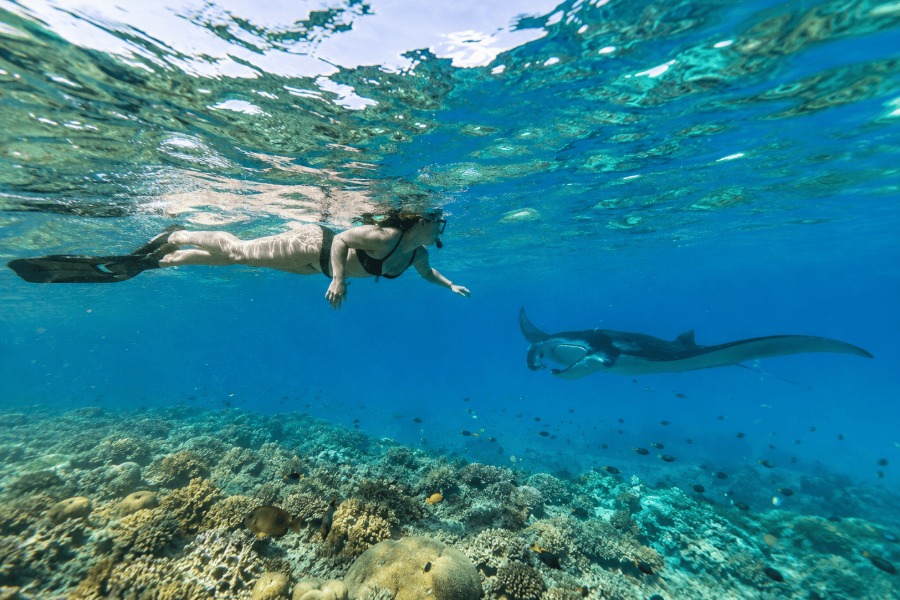
Mola Mola Diving Nusa Penida for an Amazing Underwater Encounter
Nusa Penida is one of Bali’s best-known destinations for divers hoping to encounter the extraordinary ocean sunfish, commonly called the mola-mola. Mola mola diving Nusa Penida offers an opportunity to observe this unusual marine animal in its natural habitat while exploring the island’s rich underwater environment.
Known for its distinctive body shape and impressive size, the mola-mola is a memorable sight for many underwater enthusiasts. However, these fish are wild animals, so their appearance cannot be guaranteed. Seasonal patterns, water temperature, ocean currents, and local conditions all influence the chances of an encounter.
Understanding the best diving season, suitable dive sites, and safety requirements can help you prepare for a more rewarding experience. With an experienced dive professional and realistic expectations, you can enjoy the underwater beauty of Nusa Penida while respecting its marine life.
Understanding the Mola-Mola Ocean Sunfish
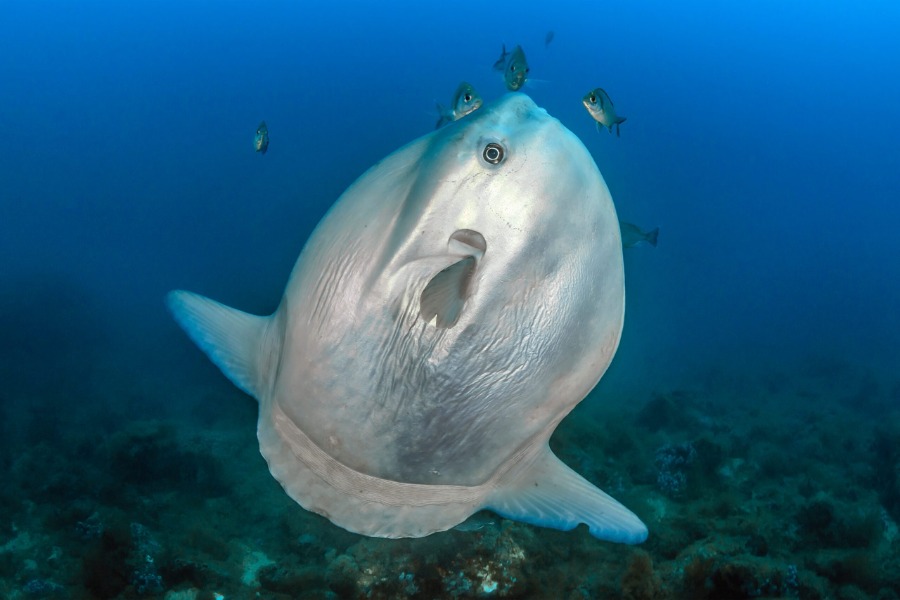
Ocean sunfish belong to the family Molidae. They have flattened bodies, large heads, and a distinctive rear body structure that makes them easy to recognize. Their unusual appearance sets them apart from many other fish found around tropical reefs.
The sunfish associated with Nusa Penida is often referred to as the mola-mola. The scientific identification of ocean sunfish can be complex, so the exact species should not be assumed from a sighting alone.
What Makes the Mola-Mola So Special?
Mola-mola are fascinating because of their unusual shape, substantial size, and distinctive swimming behavior. Unlike many reef fish, they may be encountered in open water or at considerable depths.
For underwater photographers, observing an ocean sunfish can create a memorable opportunity to capture a unique marine animal. However, good wildlife photography requires patience and respect. Divers should never chase a mola-mola or approach it too closely for a photograph.
The Mola-Mola’s Role in the Marine Ecosystem
Ocean sunfish form part of the marine food web and feed on various organisms, including jellyfish and other soft-bodied marine animals. Their feeding behavior depends on their environment and available food sources.
Their presence adds to the biodiversity that makes Nusa Penida appealing to divers. Responsible observation helps protect the marine environment and allows wildlife to behave naturally.
Why Mola Mola Diving Nusa Penida Is So Popular
Mola mola diving Nusa Penida attracts divers because it combines the possibility of encountering a rare-looking marine animal with the opportunity to explore Bali’s diverse underwater landscapes.
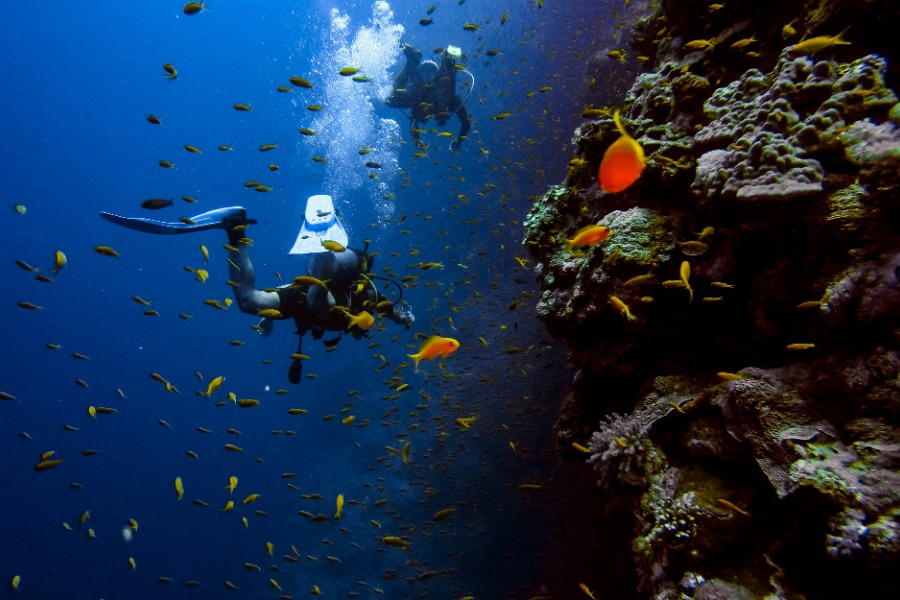
The waters around Nusa Penida feature coral reefs, tropical fish, and a variety of marine habitats. Even when an ocean sunfish does not appear, a dive can still provide rewarding encounters with other marine life.
However, local waters can present challenging conditions. Strong currents, cooler temperatures at depth, and changing visibility may affect the difficulty of a dive. For this reason, professional guidance and appropriate dive planning are essential.
A Wildlife Encounter That Cannot Be Guaranteed
Mola-mola are wild animals, and no responsible operator can promise a sighting on a particular day. Experienced local guides may use recent observations and current conditions to select suitable dive sites, but nature remains unpredictable.
Therefore, approach each dive with an open mind. Healthy coral reefs, schools of fish, and the wider underwater scenery can make your trip worthwhile, even without a mola-mola encounter.
Best Dive Sites for Mola-Mola Encounters
Crystal Bay
Crystal Bay is one of the best-known locations associated with mola-mola diving in Nusa Penida. Under suitable seasonal conditions, divers may have an opportunity to observe ocean sunfish in the surrounding waters.
Nevertheless, Crystal Bay is not always suitable for every diver. Currents, depth, water temperature, and sea conditions can change. A qualified dive professional should assess these factors before selecting the site.
Never exceed your certification limits or descend beyond your training to pursue a sighting. Following the dive plan is more important than reaching a particular depth.
Other Dive Sites Around Nusa Penida
The most appropriate dive site can vary according to weather, currents, recent sightings, and the experience of the participants. Local dive professionals consider these factors before deciding where to go.
Some locations may offer better opportunities for reef exploration than for mola-mola encounters. These alternatives can still provide excellent underwater experiences, especially for divers who appreciate coral formations and tropical marine life.
A flexible itinerary allows your operator to select a suitable location instead of following a fixed plan when conditions are unfavorable.
When Is the Best Time for Mola Mola Diving Nusa Penida?
The period from approximately July to October is commonly associated with mola-mola sightings around Nusa Penida. During this season, changing oceanographic conditions, including cooler water brought upward from deeper layers, may influence where ocean sunfish are observed.
However, the exact timing varies between years. Water conditions and individual sightings can also differ from one day to another.
If you are planning mola mola diving Nusa Penida, ask your dive operator about recent sightings, expected conditions, and the difficulty of the proposed dive. When your schedule allows, consider setting aside more than one day for diving. This provides greater flexibility if conditions change.
It is also important to understand that some reported sightings occur at depths beyond the limits of ordinary recreational diving. Never exceed your certification, training, or agreed dive plan to improve your chances of seeing a sunfish.
Diving Difficulty and Experience Requirements
Mola-mola diving is not automatically suitable for every certified diver. Some locations around Nusa Penida can involve strong currents, significant depth, and sudden temperature changes.
A certification card alone does not establish readiness for every dive. Recent experience, buoyancy control, air management, and comfort in currents are also important considerations.
Advice for Newly Certified Divers
Newly certified divers should explain their experience honestly when contacting an operator. Depending on the conditions, a shallower or more sheltered location may be more appropriate.
Ask the dive professional whether the proposed site matches your certification and recent experience. A suitable alternative can provide an enjoyable experience without unnecessary pressure to attempt a challenging dive.
Advice for Experienced Divers
Experienced divers should discuss site selection, expected currents, maximum depth, and wildlife-observation practices with their guide before entering the water.
Even experienced divers must adapt to changing conditions. Monitor your air supply, depth, and dive time throughout the activity. If a mola-mola appears outside the planned route or depth, do not extend the dive to follow it.
How to Prepare for a Mola-Mola Dive
Preparation helps make a diving trip more comfortable and organized. Before booking, provide accurate information about your certification, recent dives, and experience with currents.
Ask the operator whether additional training, a refresher session, or particular equipment is recommended. You should also confirm what the package includes before departure.
Useful items to prepare include:
- Valid diving certification or digital proof of certification.
- A logbook and dive computer, where appropriate.
- A wetsuit suitable for the expected water temperature.
- A personal mask, fins, and compatible equipment, if preferred.
- A towel, drinking water, and a change of clothes.
- Sun protection and any necessary personal medication.
Before entering the water, check your equipment with your buddy and listen carefully to the dive briefing. Confirm the maximum planned depth, entry and exit procedures, underwater communication signals, and emergency arrangements.
Because water can feel significantly cooler at depth, ask your operator which wetsuit is appropriate for the planned conditions. Proper thermal protection can improve comfort during the dive.
Essential Safety Tips for Mola-Mola Diving
Safety should always be the priority during mola mola diving Nusa Penida. Strong currents and temperature changes can make some locations demanding, even for experienced participants.
A responsible operator assesses the conditions on the day rather than relying only on a prearranged itinerary.
Follow these essential safety practices:
- Listen carefully to the dive briefing and follow your guide’s instructions.
- Stay within your certification, training, and planned depth limits.
- Monitor your air supply, dive time, and buddy throughout the dive.
- Understand the procedure for separation from the group.
- Postpone or cancel the dive if the conditions or your physical readiness are unsuitable.
When you encounter a mola-mola, remain calm and maintain a respectful distance. Never touch, chase, surround, or obstruct the animal. Avoid sudden movements that could disturb its natural behavior.
Responsible wildlife observation protects both divers and marine animals. It also helps preserve the natural character of Nusa Penida’s underwater environment.
How to Choose a Reliable Mola-Mola Diving Operator
Choosing a responsible operator is an important part of planning your trip. A professional team should communicate clearly, assess diver experience, and explain the risks and limitations of the proposed dive.
Before booking, check the following factors:
- Guide qualifications and local diving experience.
- Equipment quality and inspection procedures.
- Group size and supervision arrangements.
- Emergency procedures and available safety equipment.
- Whether boat transfers, diving equipment, and meals are included.
- Cancellation, rescheduling, and weather-related policies.
Recent customer reviews can help you understand an operator’s communication and organization. However, reviews should complement direct questions about safety rather than replace them.
Choose an operator willing to change the dive site or cancel an activity when conditions are unsuitable. Responsible decisions are a sign of sound diving practices, even when they change the original plan.
Make the Most of Your Nusa Penida Diving Experience
A successful diving trip is about more than seeing a particular animal. Nusa Penida offers varied underwater scenery, tropical marine life, and opportunities to learn about the ocean.
Plan your trip around suitable conditions, select a reputable operator, and remain flexible about the day’s destination. Most importantly, respect your limits and follow responsible wildlife-observation practices.
With realistic expectations and careful preparation, mola mola diving Nusa Penida can become a memorable part of your Bali diving adventure, whether or not an ocean sunfish appears.
Frequently Asked Questions
When is the best time for mola-mola diving in Nusa Penida?
The period from approximately July to October is commonly associated with mola-mola sightings. However, sightings depend on seasonal and local ocean conditions, so encounters cannot be guaranteed.
Can I always see mola-mola at Crystal Bay?
No. Crystal Bay is a well-known location for potential encounters, but ocean sunfish do not appear on every dive. Other marine life and suitable alternative dive sites can still make the experience rewarding.
Can beginners dive to see mola-mola?
It depends on the diver’s certification, recent experience, and the conditions at the selected site. Some locations involve strong currents or depths that may not suit newly certified divers. Always follow a qualified professional’s assessment.
Are mola-mola dangerous to divers?
Ocean sunfish are not generally known for aggressive behavior toward divers. Nevertheless, divers should maintain a respectful distance, avoid touching the animal, and follow their guide’s instructions.
What should I bring for mola-mola diving?
Bring proof of certification, personal diving equipment if needed, a towel, spare clothes, and sun protection. Confirm whether your operator provides scuba equipment and a suitable wetsuit before departure.