PADI Open Water Course Bali for Beginners Starting Their Diving Journey
A PADI Open Water Course Bali is an excellent starting point for travelers who want to discover scuba diving and explore the underwater world. Bali offers tropical marine life, beautiful coral reefs, and several diving locations that can support beginner training when conditions are suitable.
The PADI Open Water Diver course teaches essential diving knowledge, equipment use, underwater communication, and safety procedures. With guidance from a qualified instructor, beginners can develop their skills through structured lessons and supervised practical sessions.
Choosing the right training provider is an important part of the experience. Before enrolling, it helps to understand the course stages, participant requirements, equipment, and safety considerations. This guide explains what beginners should know before starting scuba diving training in Bali.
What Is a PADI Open Water Course Bali?
The PADI Open Water Diver course is an entry-level scuba diving certification program offered by the Professional Association of Diving Instructors (PADI). It introduces beginners to the knowledge and practical skills needed for recreational scuba diving.
A PADI Open Water Course Bali combines three main learning components. These include knowledge development, confined-water training, and open-water dives. Each stage helps students build confidence and develop the skills required for safe diving.
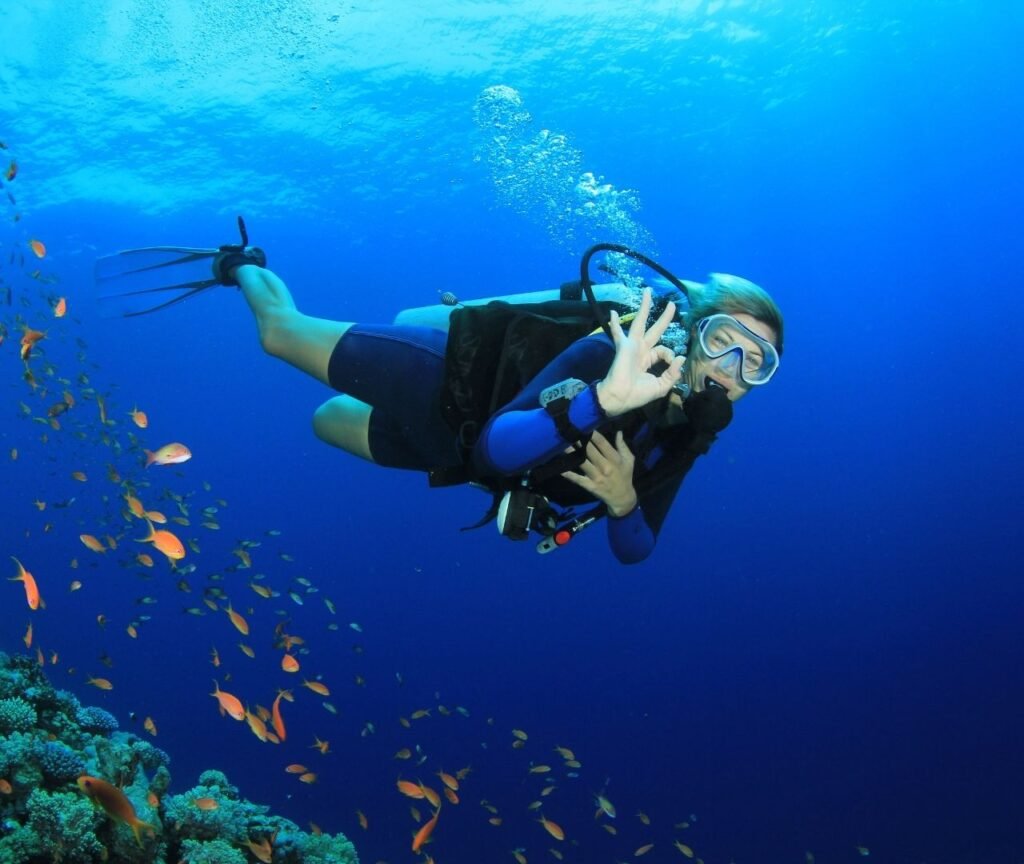
During training, participants learn how to use scuba equipment, control buoyancy, monitor their air supply, and communicate underwater. They also learn to recognize potential problems and follow appropriate safety procedures.
After completing all required assessments, students can earn their Open Water Diver certification. Certified divers may participate in recreational dives with a suitable buddy, within their qualification limits and experience. Certification does not mean that every dive site is appropriate for every beginner.
Why Choose Bali for Scuba Diving Training?
Bali attracts visitors who want to combine a tropical holiday with a new underwater activity. Its coastline offers a variety of marine environments, making the island an appealing destination for scuba diving education.
However, the best training location depends on the student’s ability, the instructor’s assessment, and the conditions on the day. A popular dive site is not automatically the best choice for beginners.
Explore Different Diving Locations
Several areas around Bali are known for their distinctive underwater environments.
- Sanur: May offer suitable conditions for certain training activities, depending on the weather and sea conditions.
- Padang Bai: Features several dive sites with varied marine life and underwater landscapes.
- Tulamben: Is well known for the USAT Liberty shipwreck, although the site’s conditions and suitability must be assessed before training.
- Nusa Penida: Offers coral reefs and opportunities to encounter larger marine animals. Some sites experience strong currents and may be unsuitable for inexperienced divers.
Your instructor should select training locations according to course requirements and current conditions. Safety and learning objectives should always take priority over scenery.
Discover Bali’s Tropical Marine Life
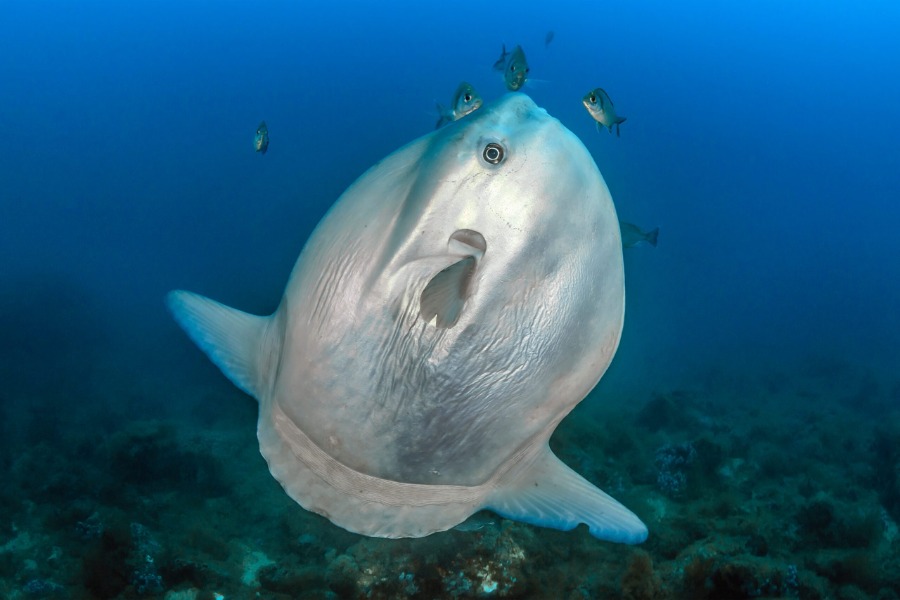
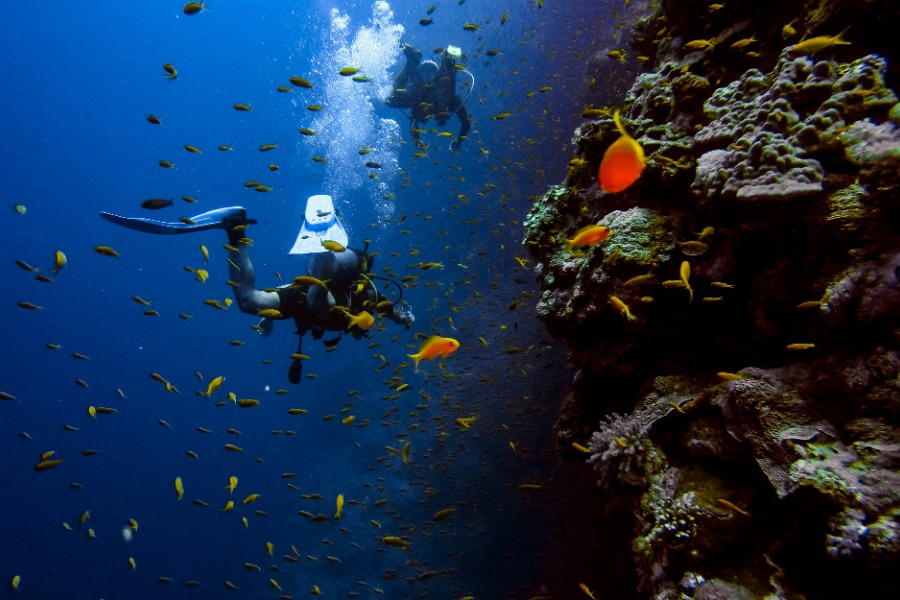
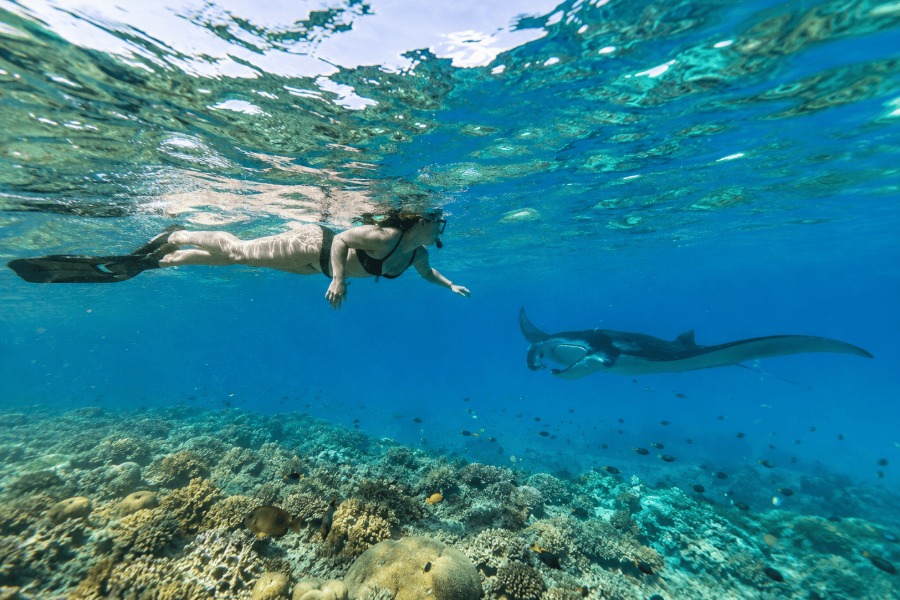
Bali’s underwater environments include coral reefs, tropical fish, and other marine organisms. Depending on the location and season, experienced divers may also encounter manta rays or mola mola.
Marine life sightings are never guaranteed. Responsible divers maintain a respectful distance from animals, avoid touching corals, and follow local conservation guidelines.
A beginner course focuses on learning essential diving skills. Observing marine life is a valuable part of the experience, but developing safe habits should remain the main priority.
What to Expect During a PADI Open Water Course Bali
A PADI Open Water Course Bali follows a structured learning process. The exact schedule can vary according to the training format, instructor availability, participant progress, and weather conditions.
1. Knowledge Development
The first stage introduces the basic principles of scuba diving. Students learn how water pressure affects the body, how to plan dives, and why monitoring depth and air supply is important.
Lessons also cover buoyancy, controlled ascents, underwater communication, and general diving safety. Completing the required learning materials helps students understand the reasons behind each practical skill.
Take time to discuss unfamiliar topics with your instructor before entering the water. A good understanding of diving theory supports better decisions throughout the course.
2. Confined-Water Skills Training
Confined-water training allows students to become familiar with scuba equipment in a controlled environment suitable for learning.
Instructors demonstrate essential skills, including clearing water from a mask, recovering a regulator, and controlling buoyancy. Students also learn how to use their equipment correctly and communicate with their instructor or buddy.
Skills are introduced progressively. Beginners should have enough time to practise and ask questions before moving to the next stage.
3. Supervised Open-Water Dives
After completing the required earlier stages, students practise their skills during supervised open-water dives.
These sessions allow participants to apply what they have learned in an appropriate natural environment. Instructors assess buoyancy control, equipment handling, underwater communication, and the ability to follow the dive plan.
The number of dives and practical requirements follow the applicable PADI course standards. Students must complete the required skills before they can qualify for certification.
4. Assessment and Certification
Certification depends on demonstrated knowledge and practical ability, not attendance alone.
If a student needs more practice with a particular skill, the instructor may provide additional training before confirming that all requirements have been met.
This approach helps ensure that newly certified divers understand their responsibilities and the limits of their training.
Equipment Needed for Beginner Scuba Diving
Most dive centers provide essential scuba equipment during training, but inclusions vary between providers. Before booking a PADI Open Water Course Bali, confirm which items are included in the package price.
Standard scuba equipment may include:
- Diving mask and snorkel
- Fins
- Regulator and scuba cylinder
- Buoyancy Control Device (BCD)
- Appropriate diving weights
- Instruments for monitoring air pressure and depth
- A wetsuit suitable for the water temperature
Equipment should fit properly and be checked before every dive. Inform the instructor if anything feels uncomfortable or appears damaged.
Students may also need to bring a towel, a change of clothes, drinking water, reef-conscious sun protection, and any requested documents. Ask the provider whether learning materials, site fees, and certification processing are included.
Scuba Diving Safety Tips for Beginners
Safety is one of the most important considerations when choosing a diving course. A good training experience prioritizes preparation, communication, and responsible decisions rather than depth or the number of marine animals encountered.
Follow these essential safety principles throughout your training:
- Listen carefully to every briefing and follow instructor directions.
- Check your equipment with the instructor or dive buddy.
- Breathe continuously and never hold your breath while scuba diving.
- Monitor your air supply, depth, and dive time.
- Maintain communication and stay with your assigned buddy.
- Tell your instructor immediately if you feel uncomfortable.
- Avoid diving when ill, exhausted, or otherwise unfit to participate.
Complete all diving medical questionnaires honestly. Some medical conditions may require assessment or clearance from a healthcare professional familiar with diving medicine.
Sea conditions can also change throughout the day. Currents, waves, visibility, and weather may affect whether a training session can proceed safely. A responsible provider should adjust the plan or postpone a dive when conditions are unsuitable.
Who Can Join a PADI Open Water Course in Bali?
The Open Water Diver course is designed for beginners, so previous scuba diving experience is generally unnecessary. However, participants must meet the applicable minimum age, health, and water-skill requirements.
Before enrolling, ask the dive center about swimming assessments, medical requirements, and any documentation needed for registration.
This course may suit travelers who want to learn a new skill, ocean enthusiasts interested in marine environments, and beginners planning to continue their diving education.
Feeling nervous at first is understandable. Tell your instructor about your concerns so that skills can be explained and practised at an appropriate pace. Never feel pressured to continue an activity before you are ready.
How to Choose the Right Diving School in Bali
Choosing a training provider involves more than comparing prices or looking at promotional photos. A suitable dive center should explain the course clearly, answer questions honestly, and prioritize student safety.
Consider these factors before making a booking.
Instructor qualifications: Ask about the instructor’s professional status and experience with beginner training.
Group size: Find out how many students each instructor supervises and how practical sessions are organized.
Course inclusions: Confirm whether equipment, learning materials, site fees, and certification costs are covered by the advertised price.
Training schedule: Allow enough time to complete every learning stage without rushing practical assessments.
Weather and cancellation policies: Understand how the provider handles unsuitable sea conditions and schedule changes.
Training locations: Ask why particular sites are selected and how their conditions match beginner abilities.
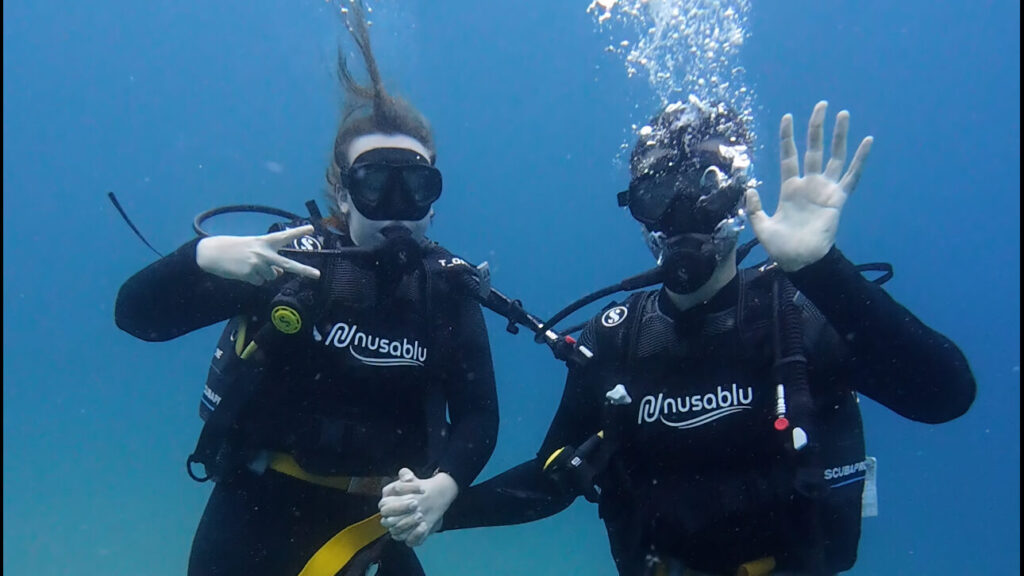
NusaBlu Diving may be worth researching when comparing diving education providers in Bali. Review its current course information, instructor qualifications, training locations, package inclusions, and booking conditions through its official channels before making a decision.
Best Time to Take a PADI Open Water Course Bali
Scuba diving activities take place in Bali throughout the year, but conditions vary by location and season. Rainfall, wind, waves, currents, and underwater visibility can influence the suitability of a training site.
The drier season is often attractive to travelers planning outdoor activities. However, good weather on land does not guarantee suitable conditions underwater.
For a more comfortable experience, allow enough flexibility in your travel schedule to accommodate changes in weather or training arrangements. Choose a provider that evaluates conditions before each session.
You should also plan your departure carefully after diving. Flying too soon after the final dive can increase the risk of decompression sickness. Follow current diving safety guidance and your instructor’s advice regarding the appropriate pre-flight interval.
Start Your Scuba Diving Journey in Bali
A PADI Open Water Course Bali gives beginners the opportunity to learn essential scuba diving skills through structured lessons and supervised practice. From understanding diving theory to completing open-water training, each stage helps students develop the knowledge and confidence needed for recreational diving.
The right course should provide clear information, suitable training conditions, qualified instruction, and enough time to practise every required skill.
Before booking, compare providers carefully and ask about course requirements, equipment, certification fees, and weather policies. With realistic expectations and a commitment to safety, Bali can be a rewarding place to begin your scuba diving journey.
Frequently Asked Questions
How long does a PADI Open Water Course in Bali take?
The course duration depends on the training format, instructor availability, student progress, and weather conditions. Many programs take several days, but students must complete all required theory and practical training before certification.
Can beginners take a PADI Open Water course without previous diving experience?
Yes. The course is designed for beginners who meet the applicable age, health, and water-skill requirements. Training progresses from basic knowledge to confined-water practice and supervised open-water dives.
Do I need to be a confident swimmer to join the course?
Participants must meet the water-skill requirements established by the applicable PADI program. Ask your dive center about the required swimming and floating assessments before booking.
Is scuba diving equipment included in the course price?
Equipment inclusions vary between providers. Before paying, confirm whether the package covers scuba equipment, learning materials, site fees, and certification processing.
Can I dive in Nusa Penida after getting my Open Water certification?
Certification allows recreational diving within the limits of your qualification, experience, and environmental conditions. Some Nusa Penida sites have strong currents, so seek advice from a competent local diving professional before choosing a dive site.