NusaBlu Diving for Exploring the Underwater Beauty of Nusa Penida
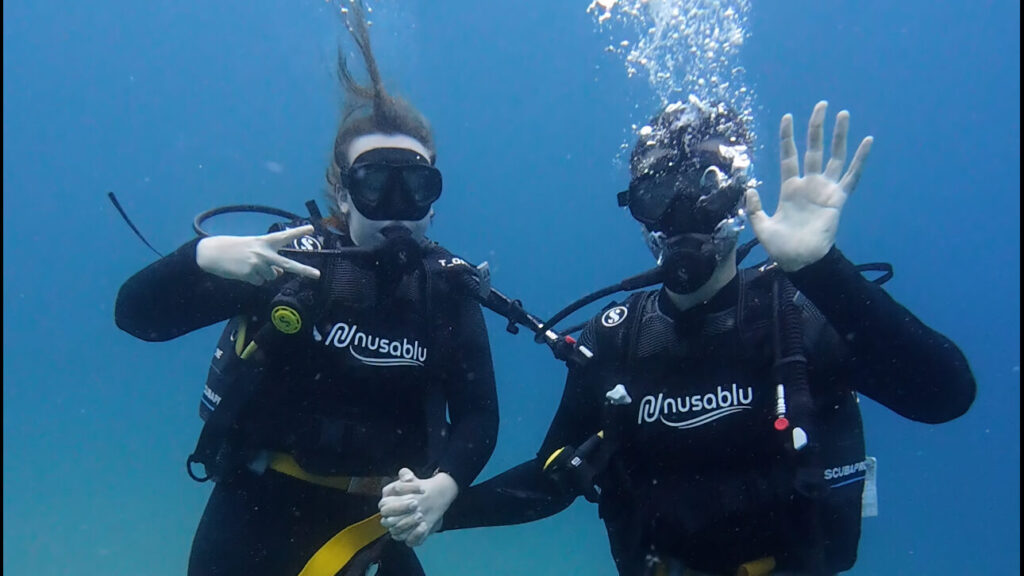
Bali is known as a marine tourism destination offering a variety of experiences for ocean lovers, from snorkeling to scuba diving. For travelers who want to discover marine life up close, NusaBlu Diving may be one option to explore when planning a diving experience in Bali and Nusa Penida.
The underwater world around Bali offers a range of environments. Coral reefs, tropical fish, underwater formations, and opportunities to encounter large marine animals make the region particularly appealing. However, every dive site has different characteristics, so choosing the right location requires consideration of a diver’s abilities, experience, and current sea conditions.
Planning a trip with a professional diving provider can help travelers understand the available activities, required equipment, and safety procedures before entering the water. With proper preparation, diving becomes more than a holiday activity. It also offers an opportunity to learn about marine ecosystems and the importance of protecting them.
Getting to Know NusaBlu Diving and the Diving Experience in Bali
NusaBlu Diving is a name travelers can use as a starting point when researching diving services in Bali. Before booking an activity, visitors should verify the services currently offered, operating locations, instructor qualifications, and available experiences through the provider’s official channels.
Diving activities commonly include introductory scuba experiences for beginners, recreational dives for certified divers, and other activities depending on the operator’s facilities. Each program has different requirements and difficulty levels, making it important to choose an experience based on ability rather than simply the desire to visit a popular site.
For beginners, instructor supervision and basic skills training are essential before entering open water. Certified divers should also attend briefings because currents, visibility, and water temperatures can vary significantly between locations.
Why Is Bali an Attractive Diving Destination?
Bali offers a variety of underwater environments that provide different experiences for divers. Some locations are known for their coral reefs, others for shipwrecks, while selected areas offer opportunities to encounter fascinating marine wildlife.
Diverse Coral Reefs and Tropical Fish
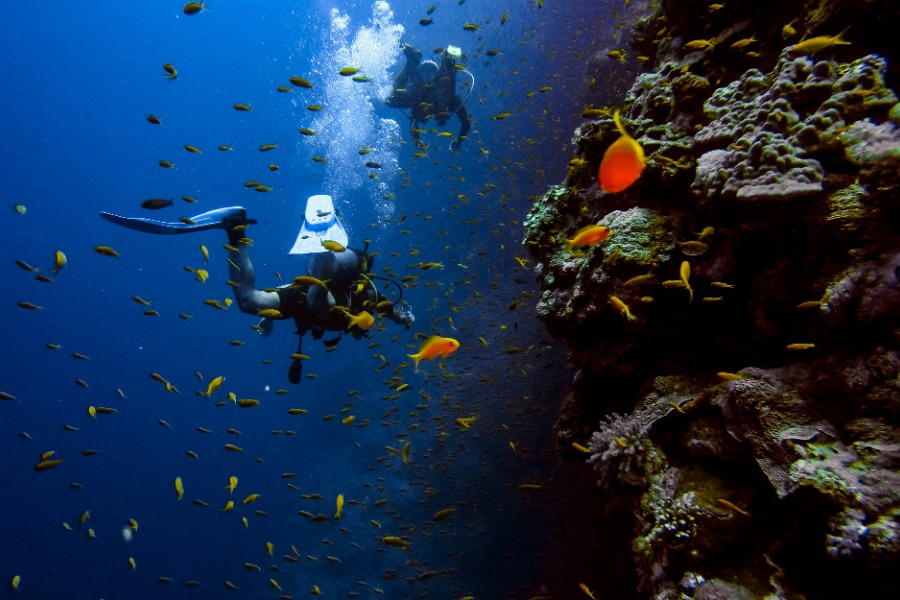
Coral reefs provide habitats for many species of fish and marine organisms. During a dive, visitors can observe interactions between marine life, different coral formations, and variations in underwater biodiversity across different depths.
Observations should always be made without touching coral or chasing fish. Physical contact can damage sensitive organisms, while uncontrolled movements may disturb marine life and create additional risks for divers.
Opportunities to See Large Marine Animals
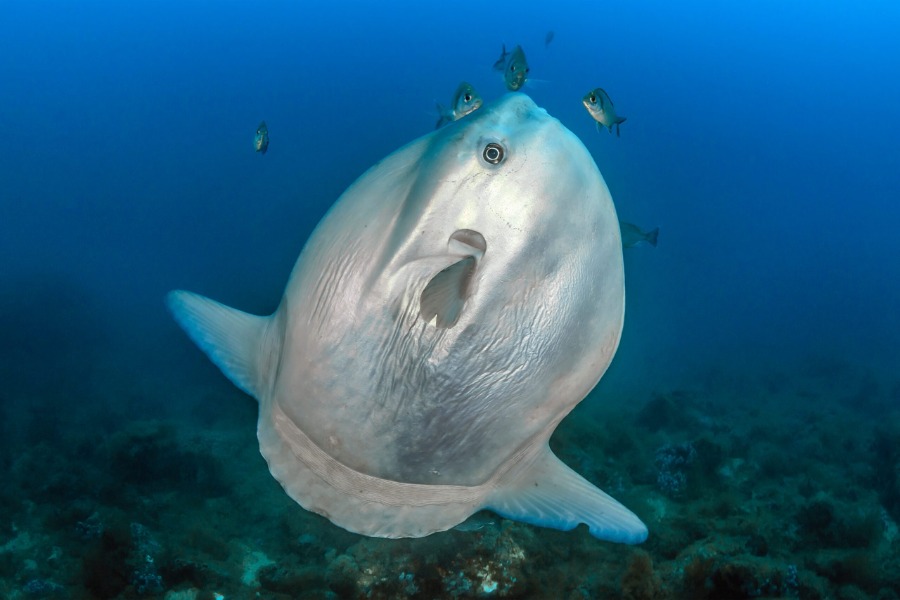
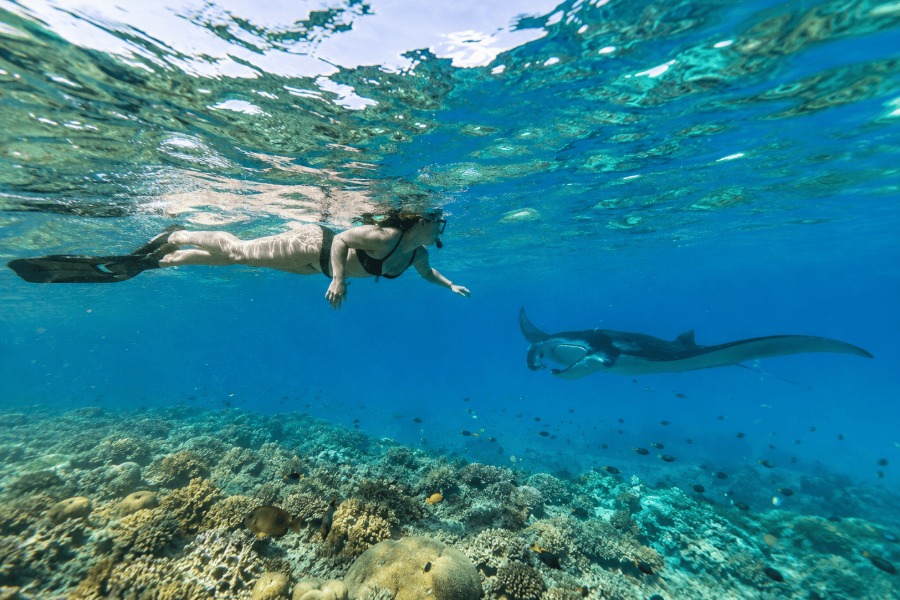
Several locations around Bali and Nusa Penida are known for opportunities to encounter manta rays. Depending on the season and conditions, divers may also see mola mola, commonly known as ocean sunfish.
However, marine animals move naturally through their environment and do not appear on every dive. A rewarding experience should not depend on guaranteed wildlife encounters. Instead, divers should appreciate the opportunity to observe marine life while respecting its natural behavior.
Experiences for Different Skill Levels
Not every dive requires the same level of expertise. Some locations may be suitable for introductory activities or straightforward recreational dives when conditions are favorable, while others require greater experience because of currents, depth, or challenging surface conditions.
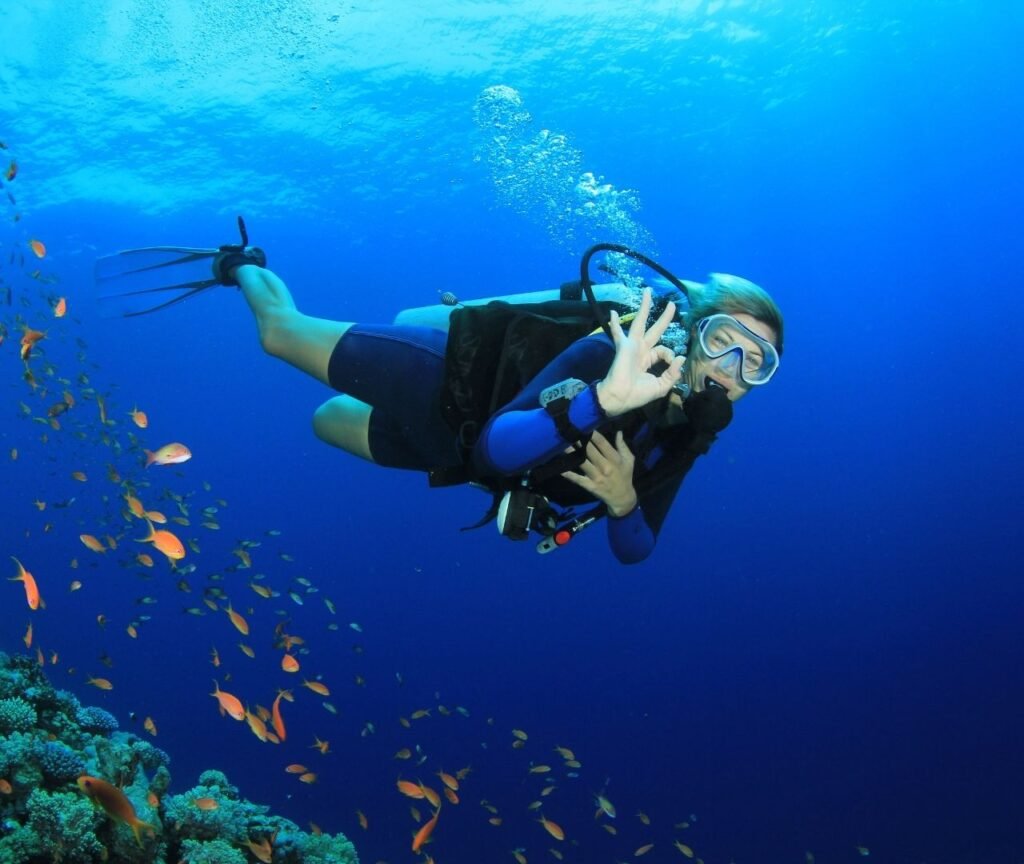
Travelers researching NusaBlu Diving should communicate their previous diving experience, certification level, and activity goals. This information helps the operator assess suitable options and explain any relevant limitations.
Exploring Popular Diving Locations Around Bali
Choosing a location is one of the most important decisions when planning a scuba diving trip. Each area has its own attractions and challenges that travelers should understand before making a reservation.
Nusa Penida and Manta Point
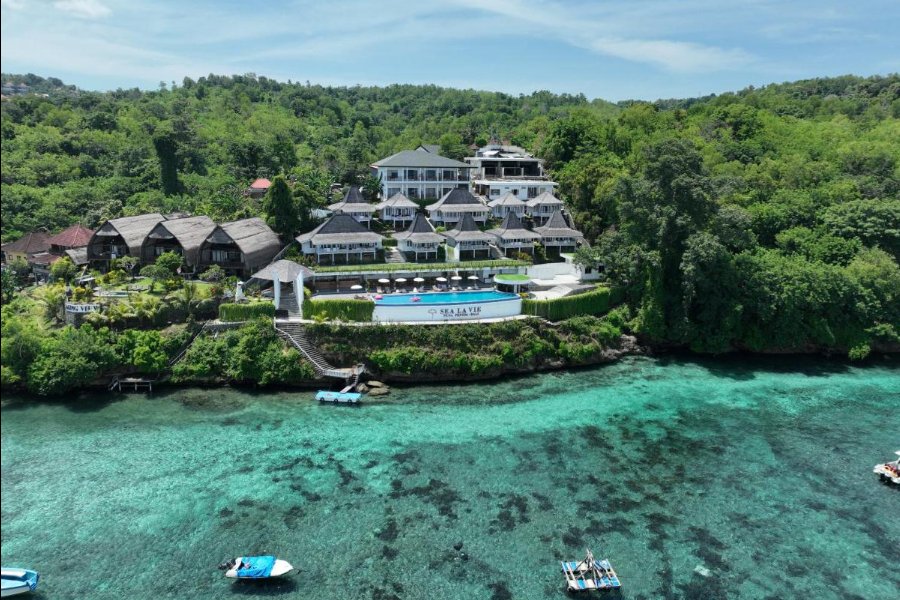
Nusa Penida is famous for its dramatic coastal scenery and diverse marine life. Manta Point attracts divers because of the opportunity to observe manta rays in their natural environment.
However, some dive sites around Nusa Penida experience strong currents, rapidly changing conditions, and varying water temperatures. These locations are not automatically suitable for newly certified divers or people who have limited experience in currents.
Dives should follow the decisions of qualified professionals who assess sea conditions and the abilities of the group. If conditions are unsuitable, choosing an alternative site or changing the schedule is a more responsible decision.
Crystal Bay
Crystal Bay is known for its underwater scenery and potentially clear water under favorable conditions. The area is also associated with seasonal opportunities to encounter mola mola.
Although it attracts underwater photography enthusiasts, conditions at Crystal Bay can change, and currents may be challenging. Divers should understand their limits, follow briefings, and avoid pursuing marine animals into deeper water or potentially dangerous areas.
Tulamben and the USAT Liberty Shipwreck
Tulamben is one of Bali’s well-known diving destinations, particularly because of the USAT Liberty shipwreck. The wreck has become a habitat for marine organisms and provides an experience that differs from diving around a typical coral reef.
Depth, water entry conditions, waves, and required skills must still be considered. Exploring the interior of a shipwreck is not automatically appropriate for every diver and requires specialized training and planning.
Padang Bai
Padang Bai offers several dive sites with diverse marine life and different underwater characteristics. Conditions can vary between locations, so the choice of site should take participants’ experience and the assessment of instructors or dive guides into account.
For travelers interested in learning more about Bali’s marine environment, this area can be another option to consider based on the conditions and programs available.
Choosing a Diving Activity Based on Experience
Before selecting a package, travelers should understand the difference between introductory scuba experiences and recreational dives for certified divers.
For Beginners
Introductory scuba programs generally give participants the opportunity to experience breathing underwater with scuba equipment under professional supervision. Participants receive a briefing, learn how to use the equipment, and follow the procedures established for the activity.
An introductory experience is not the same as a full certification course. If your goal is to qualify for recreational diving with a buddy within the limits of your certification, consider a program such as PADI Open Water Diver.
For Certified Divers
Divers with existing certifications can consider recreational dives based on their qualifications and experience. Operators need to know their certification level, recent diving history, and familiarity with the types of conditions they may encounter.
Certification alone does not always indicate readiness for every dive site. Divers who have not been underwater for a long time may benefit from a refresher session before returning to the sea, especially when visiting locations with currents or more challenging conditions.
For Underwater Photography Enthusiasts
Underwater photography requires additional attention to buoyancy, distance from marine life, and situational awareness. Adjusting a camera should never distract a diver from monitoring air supply, depth, or the position of a buddy.
If you want to photograph marine animals, prioritize passive observation. Avoid touching, chasing, or obstructing animals to obtain a particular shot.
Preparing for a NusaBlu Diving Experience
Proper preparation helps travelers enjoy their activity more comfortably. Before departure, confirm the schedule, meeting point, facilities, and participant requirements with the service provider.
Consider preparing the following items:
- A change of clothes, a towel, and personal essentials.
- Drinking water and suitable food for your needs.
- Confirmation that masks, fins, and wetsuits are available in appropriate sizes.
- Honest disclosure of relevant medical information.
- Verification of certification requirements for recreational dives.
- Attendance at the safety briefing before entering the water.
- Confirmation that your insurance covers the planned activity.
Also ask whether the package includes equipment, transportation, site fees, photography, or other facilities. Do not assume that everything is covered by a single price, as package terms can vary between providers.
Scuba Diving Safety Standards
Safety is a primary consideration when choosing NusaBlu Diving or any other diving provider. Scuba diving takes place in an environment that differs significantly from everyday activities, making proper planning and compliance with safety procedures essential.
Before entering the water, participants should receive a briefing covering the route, planned depth, air supply limits, communication methods, and emergency procedures. Checking equipment with a dive buddy also helps identify potential problems before the dive begins.
Important safety principles include:
- Never hold your breath while using scuba equipment.
- Monitor depth and air supply regularly.
- Maintain communication and stay with your dive buddy.
- Avoid touching coral or disturbing marine animals.
- Never exceed your certification limits or personal abilities.
- Follow instructions for controlled ascents.
- Cancel or stop the activity if conditions are unsafe.
Strong currents, poor visibility, high waves, and fatigue can increase diving risks. A responsible operator should be willing to change the plan when conditions are unsuitable, even if this means missing a planned destination.
Travelers should also follow post-dive safety guidelines, including the recommended surface interval before flying. The appropriate waiting period depends on the dive profile and applicable guidance, so flight schedules should never be planned based solely on personal estimates.
Best Time to Go Diving in Bali
The best time for diving depends on the location, travel goals, and sea conditions. The dry season is often considered favorable by travelers, but underwater visibility, currents, and waves can still change from day to day.
If your main goal is to see a particular species, such as manta rays or mola mola, seek information about seasonal patterns from knowledgeable local professionals. Wildlife encounters cannot be guaranteed, even during periods considered favorable.
Travelers should allow flexibility in their itineraries. This makes it easier to change the location or timing of a dive if sea conditions do not support the original plan.
Why You Should Verify a Diving Operator Before Booking
When considering NusaBlu Diving, verify information about its services through its official website or other reliable communication channels. Check the available programs, operating locations, staff qualifications, participant requirements, and rescheduling policies.
Do not rely solely on promotional photographs when making a decision. Written information about safety procedures, group sizes, facilities, and pricing terms can help you assess whether the service meets your needs.
Before making a payment, ask the following questions:
- Is the activity designed for beginners or certified divers?
- How many participants does each instructor or dive guide supervise?
- Are diving equipment and additional fees clearly explained?
- What happens if the weather or currents make diving unsafe?
- What health, certification, and experience requirements must participants meet?
Clear answers help prevent misunderstandings and provide a realistic picture of the activity you intend to book.
Frequently Asked Questions
What should I know before choosing NusaBlu Diving?
Check the official information about available programs, dive locations, instructor qualifications, facilities, and participant requirements. Choose an activity based on your abilities and diving experience rather than the location or marine animals you hope to see.
Can beginners participate in scuba diving activities in Bali?
Beginners may be able to join an introductory scuba experience or a certification course, provided they meet the relevant requirements. The type of activity, depth, and level of supervision must follow program standards and professional assessments.
Is Nusa Penida suitable for beginner divers?
Not every dive site in Nusa Penida is suitable for beginners because some areas have strong currents and challenging conditions. Site suitability should be determined by considering sea conditions, participant experience, and the assessment of a competent operator.
Can I see manta rays while diving in Bali?
Manta rays can be encountered at certain locations around Bali and Nusa Penida, but sightings cannot be guaranteed. Travelers should follow their guide’s instructions and maintain an appropriate distance to avoid disturbing the animals.
What should I bring for a diving activity?
A change of clothes, a towel, drinking water, and personal essentials are useful items to bring. Confirm whether the operator provides diving equipment and ask about any medical documents or certification evidence required for your chosen activity.