Chasing Mola Mola in Bali: Where, When & How to See Them
If you ask any seasoned diver in Indonesia about their “holy grail” encounter, the conversation almost always shifts to the mola mola in Bali. Seeing an Ocean Sunfish—a creature that looks like it swam straight out of prehistoric history—is the highlight of many diving careers.
As a diver who has spent countless hours waiting in the currents of Nusa Penida, I can tell you that success is never guaranteed. This guide cuts through the myths to give you the honest, expert perspective on how, when, and where to increase your chances of witnessing the Mola Mola in their natural habitat.
1. Understanding the Mola Mola: Why They Visit Bali
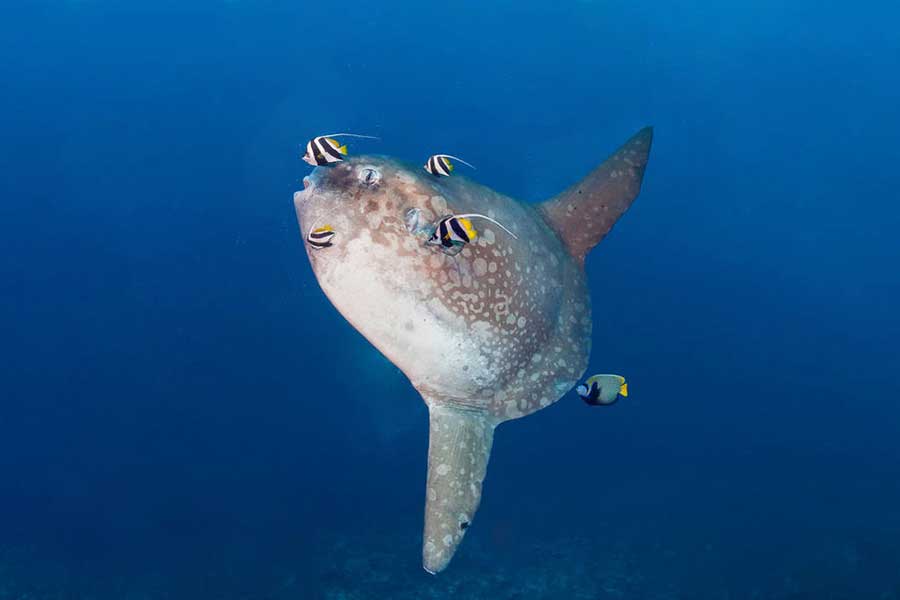
The Mola alexandrini (often referred to as the Southern Ocean Sunfish) is the heaviest known bony fish in the world. They are essentially deep-sea nomads. Their arrival in the waters around Nusa Penida and Nusa Lembongan is tied directly to the thermoclines—layers of cold, nutrient-rich water that rise from the deep Indian Ocean.
The Science of the “Cleaning Station”
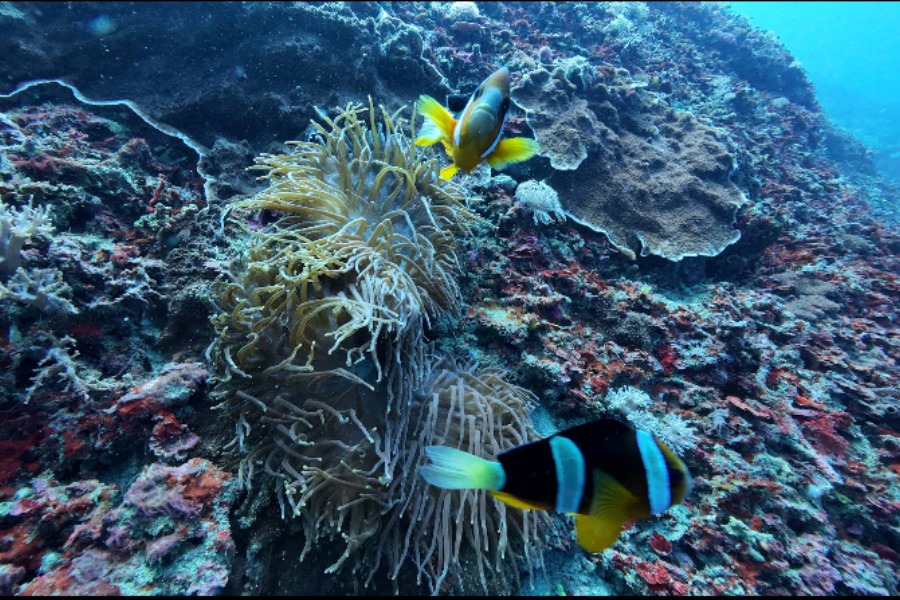
Similar to Manta Rays, Mola Mola congregate at specific “cleaning stations” to rid themselves of parasites. They surface from the deep, chilly water into the slightly warmer reef areas, allowing reef fish like the bannerfish to clean their massive, skin-covered bodies. Because they are focused on this biological imperative, they are generally calm, but they remain sensitive to diver presence.
Read More Other Articles:
- Nusa Penida vs Nusa Lembongan Diving: Best Island for Diving
- Crystal Bay Nusa Penida Diving: Everything You Need to Know
2. Timing Your Trip: The Mola Mola Sunfish Season Bali
If you want to maximize your probability, you must align your travel with the sunfish season bali.
The Peak Window
The season typically runs from July to October. During these months, the southeast monsoon brings the cold upwellings necessary to attract the Mola Mola. If you dive outside of this window, your chances of seeing one drop significantly, as the water temperature remains too warm and the deep-sea currents aren’t as active.
Why July and August are Critical
Mid-season is often considered the best diving month bali for Mola enthusiasts. The water temperature can plummet from 28°C to as low as 18°C (64°F) in a matter of seconds. This temperature drop is the signal that the Mola Mola are likely on their way up from the depths.
3. Best Mola Mola Diving Spots Around the Islands
Not every site is built for Sunfish encounters. You need to focus your efforts on areas where the currents meet the reef shelf.
Crystal Bay Mola Mola Encounters
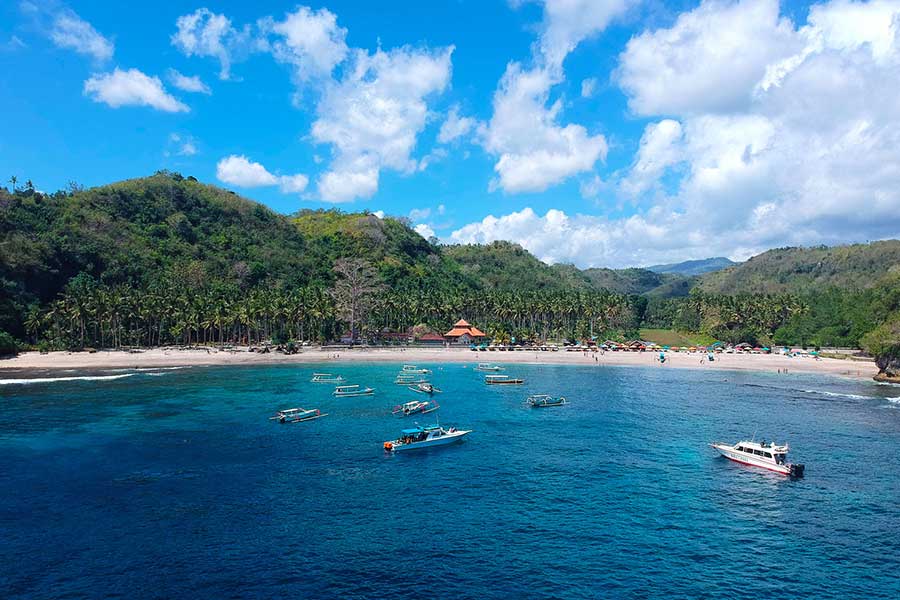
Crystal Bay is the most famous location for this experience. It is the primary crystal bay mola mola station, where the drop-off is steep and the currents are often fierce. Because it is a channel, it serves as a natural highway for these giants.
Other Key Mola Mola Diving Spots
Beyond Crystal Bay, experienced dive guides will often check:
- Blue Corner (Nusa Lembongan): Known for very challenging currents but excellent chances for sightings.
- Toyapakeh: A more sheltered spot where sightings can happen, though less frequently than at the deep-channel sites.
4. Essential Tips for a Responsible Encounter
Diving with Mola Mola requires strict adherence to etiquette. These animals are shy; if they feel threatened, they will dive back into the depths, ending the encounter for everyone.
Maintain Your Distance
Never swim toward them or block their path to the cleaning station. If you stay neutral and stay low near the reef, they will often approach you out of curiosity.
The Importance of Experienced Guides
Only dive with operators who understand local currents and Sunfish behavior. An inexperienced guide might inadvertently chase a Mola Mola away by trying to get too close for a photo. A true expert will position you in the current where the Mola Mola is likely to drift toward you.
Why Choose Nusablu for Your Diving Adventure
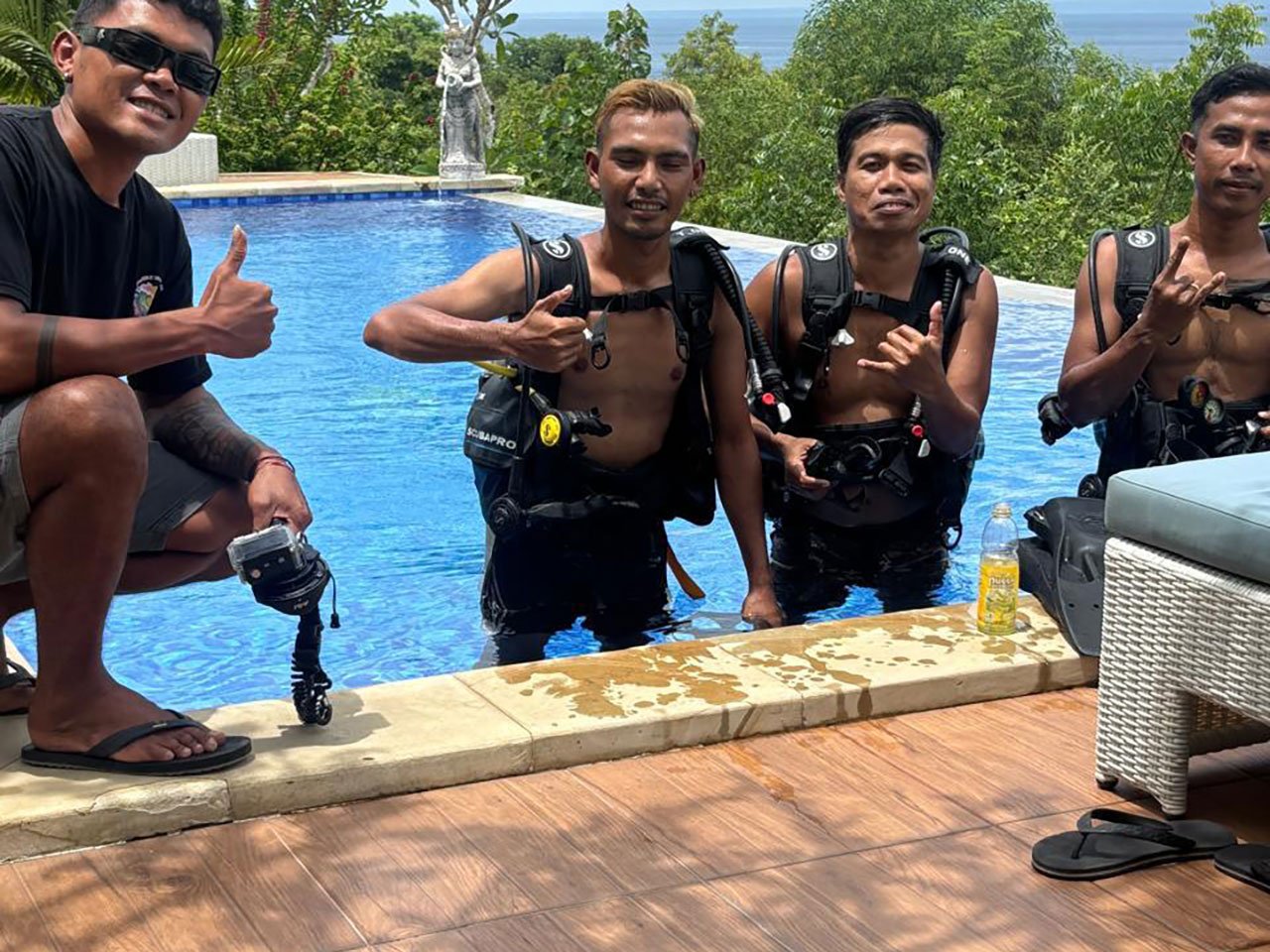
Spotting a Mola Mola isn’t just a matter of luck—it’s about choosing a diving partner who truly understands the currents, seasons, and animal behavior in the waters around Nusa Penida. That’s where Nusablu comes in as the right choice.
Nusablu is known as a dive operator that prioritizes safety, experience, and ethics when interacting with marine life such as the Mola Mola. Its team of dive guides is experienced in reading thermocline and current conditions at Crystal Bay, Blue Corner, and Toyapakeh, maximizing your chances of an encounter without compromising the animals’ comfort or divers’ safety.
Here are a few reasons why many divers choose to book with Nusablu:
- Experienced and certified guides who understand the seasonal movement patterns of the Mola Mola.
- Complete and well-maintained equipment, including thick wetsuits to withstand the cold thermocline typical of Mola Mola season.
- Small, controlled groups, ensuring divers are properly positioned at busy spots like Crystal Bay.
- An ethical and responsible approach, in line with the principles of maintaining a safe distance and not disturbing the animals.
If you want to experience firsthand the thrill of encountering one of the world’s largest and most unique fish, don’t wait any longer. Book your Mola Mola diving trip with Nusablu today, and let their team guide you toward one of the most memorable diving experiences of your life.
Conclusion
Chasing the Mola Mola in Bali is a test of patience, endurance, and respect for the ocean. When you finally see that massive, circular shape emerging from the blue, you will understand why divers return to these islands year after year. Prepare yourself with the right gear, choose an experienced team, and keep your expectations realistic. If the stars align, it will be the most memorable dive of your life.
Frequently Asked Questions (FAQ)
1. Is it guaranteed that I will see a Mola Mola?
No. Even in the height of the season, there are no guarantees. They are wild animals in the open ocean. You should treat a Mola Mola sighting as a bonus, not a certainty.
2. How deep do I need to dive to see them?
Mola Mola are often found between 18 and 30 meters (60–100 feet). You must be an Advanced Open Water diver to safely visit the most productive cleaning stations.
3. Is the water really that cold?
Yes. During the season, you will experience thermoclines where the temperature drops sharply. A 5mm wetsuit is highly recommended, and many divers choose to bring a hood to stay warm during long waits.
4. Are Mola Mola dangerous to divers?
Absolutely not. They are massive but completely harmless. They are docile, slow-moving, and have no teeth capable of biting humans.
5. Should I use a flash for photography?
Never use a flash or strobe light. The sudden light can panic the fish and drive them back into the deep, ending the experience immediately.
6. Can I see Mola Mola while snorkeling?
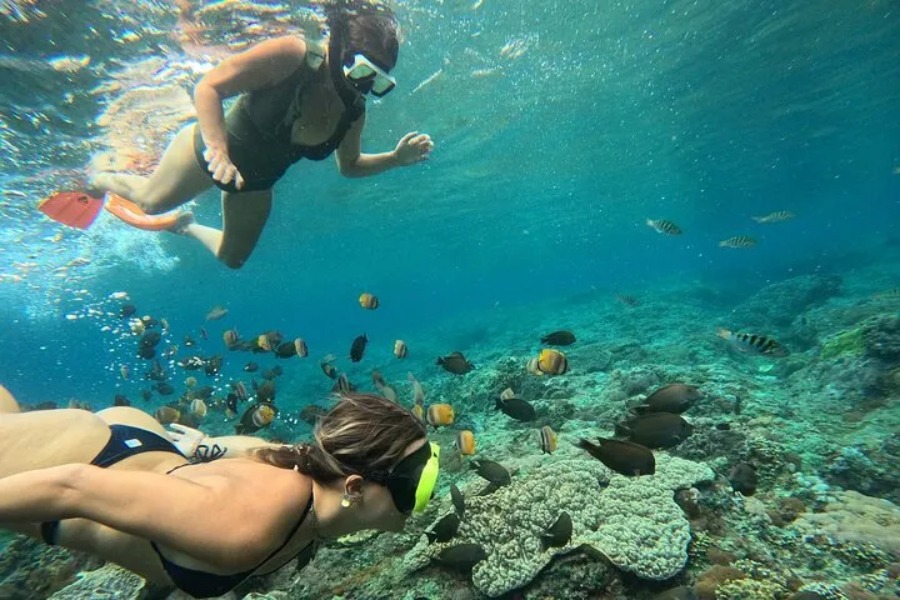
It is extremely rare. They typically hang out at depths of 20 meters or more. Snorkelers only see them if they happen to come very close to the surface, which is an unusual occurrence.
7. What is the best way to prepare for these dives?
Focus on your buoyancy control. Being able to hover at a specific depth without kicking (which stirs up silt) is essential for observing them without causing them to flee.
8. Are there many other divers at these sites?
Yes. During the season, Crystal Bay can get very crowded. This is why choosing a reputable operator who knows how to manage group positioning is vital for a good experience.
9. What should I do if the current is too strong?
Listen to your dive guide. If they signal to stay close to the wall, do so. The currents here can change direction and speed rapidly, and safety must always be your priority.
10. Does a Mola Mola dive count toward my total dive limit?
Yes, and because these dives are often deep and involve currents, you must be diligent about your nitrogen levels. Always monitor your computer and follow conservative dive profiles.