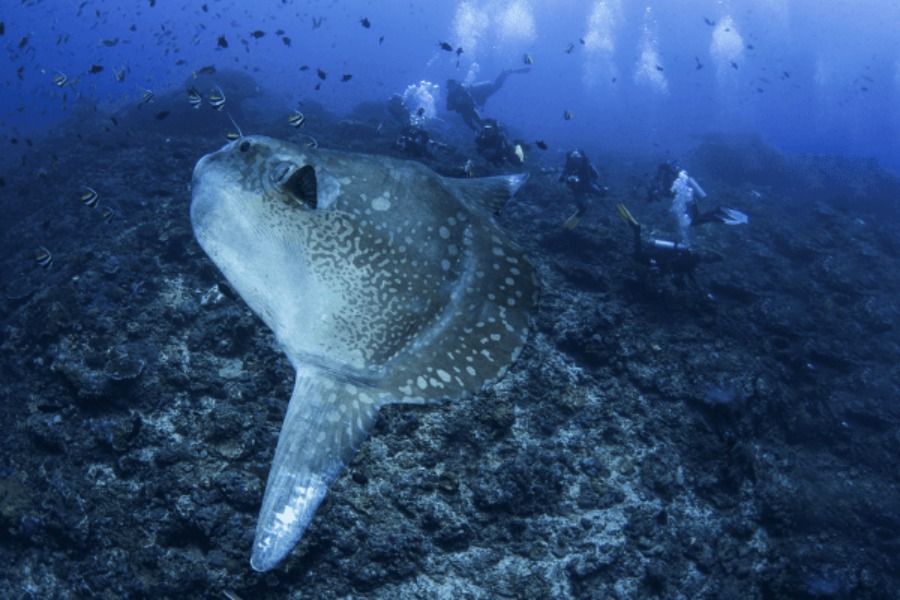
Nusa Penida Diving Guide to Marine Life and Dive Sites
Nusa Penida diving is one of the most popular underwater experiences in Bali. The island attracts divers who want to explore coral reefs, encounter manta rays, observe tropical fish, and, during the right season, look for the famous Mola Mola.
Located southeast of Bali, Nusa Penida is surrounded by waters influenced by ocean currents. As a result, diving conditions can vary between locations and from one day to another.
For travelers planning an underwater adventure, Nusa Penida diving is about more than simply entering the water with scuba equipment. Each dive site has its own characteristics, marine life, and current conditions.
Therefore, choosing a professional dive center and selecting a site that matches your experience level are important parts of a safe and enjoyable diving trip.
Why Nusa Penida Diving Is So Popular
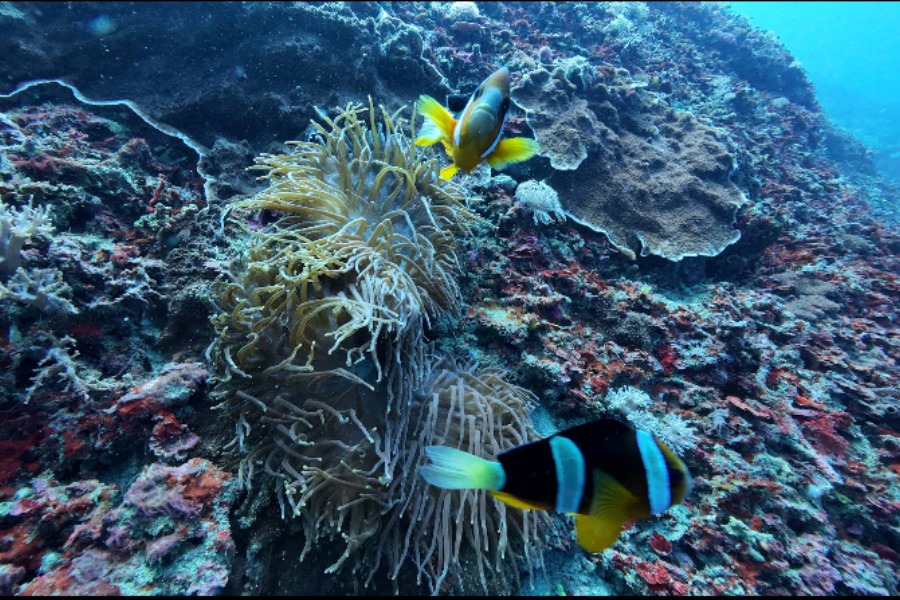
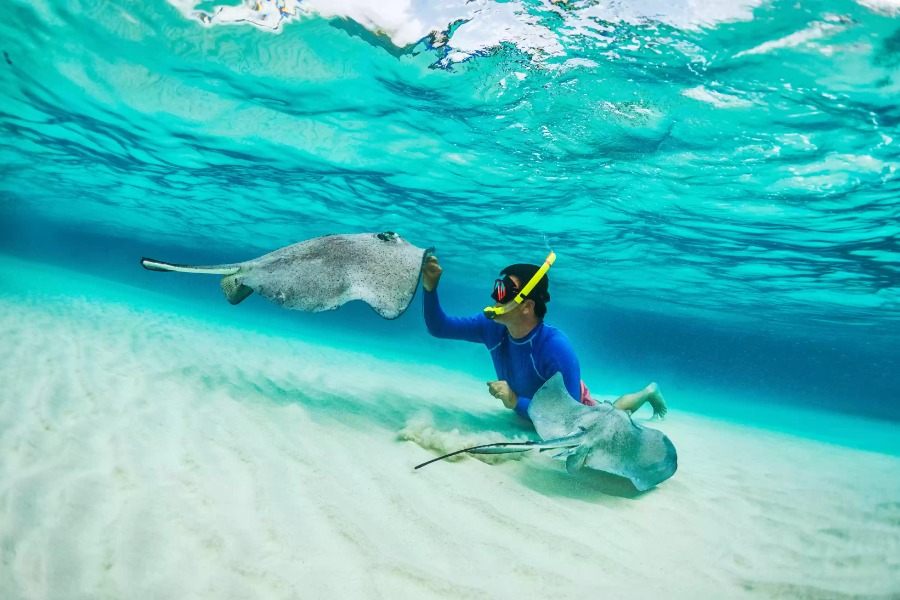
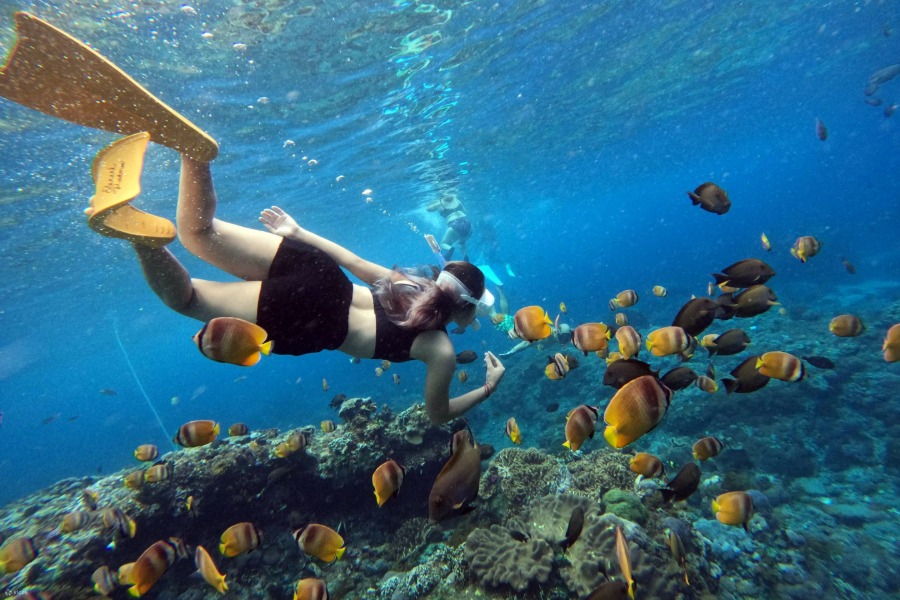
One of the main attractions of Nusa Penida diving is the variety of marine life found around the island. Divers may encounter manta rays, sea turtles, tropical reef fish, colorful coral, and other marine species.
Manta Point is particularly known for manta ray encounters. Meanwhile, Crystal Bay is famous for seasonal Mola Mola sightings.
Other popular sites include Toyapakeh, Gamat Bay, SD Point, and PED. Each location offers a different underwater environment. Depending on the site and conditions, divers may experience coral gardens, reef walls, drift diving, and encounters with larger marine species.
Another reason divers enjoy Nusa Penida is the opportunity to observe marine life in its natural environment. Instead of simply visiting a sightseeing attraction, diving allows you to spend time underwater and observe how coral reefs, currents, and marine animals interact.
However, marine life is unpredictable. Manta rays and Mola Mola are wild animals, so sightings can never be guaranteed.
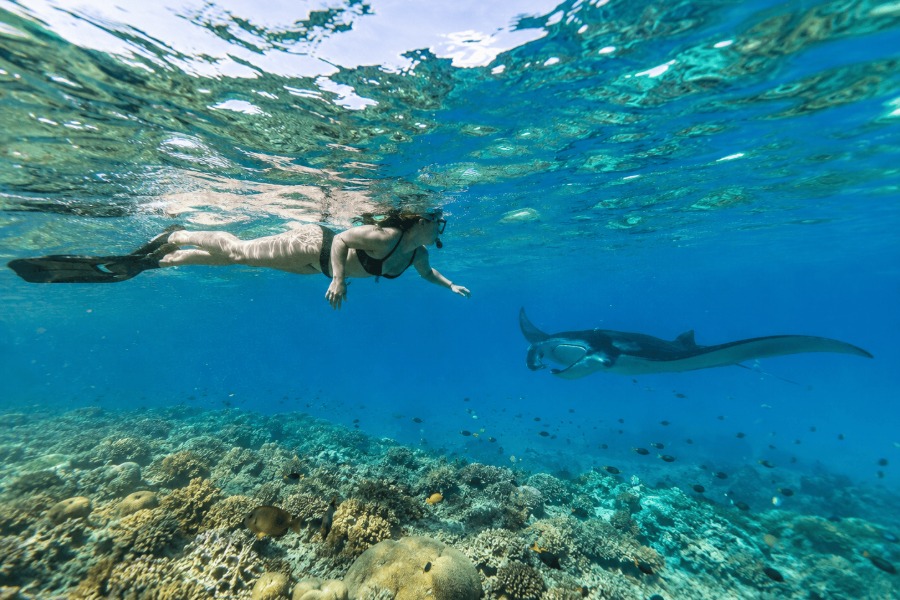
Popular Nusa Penida Dive Sites
Choosing the right dive site depends on several factors. Your certification, previous diving experience, weather, sea conditions, visibility, and currents should all be considered before entering the water.
Manta Point
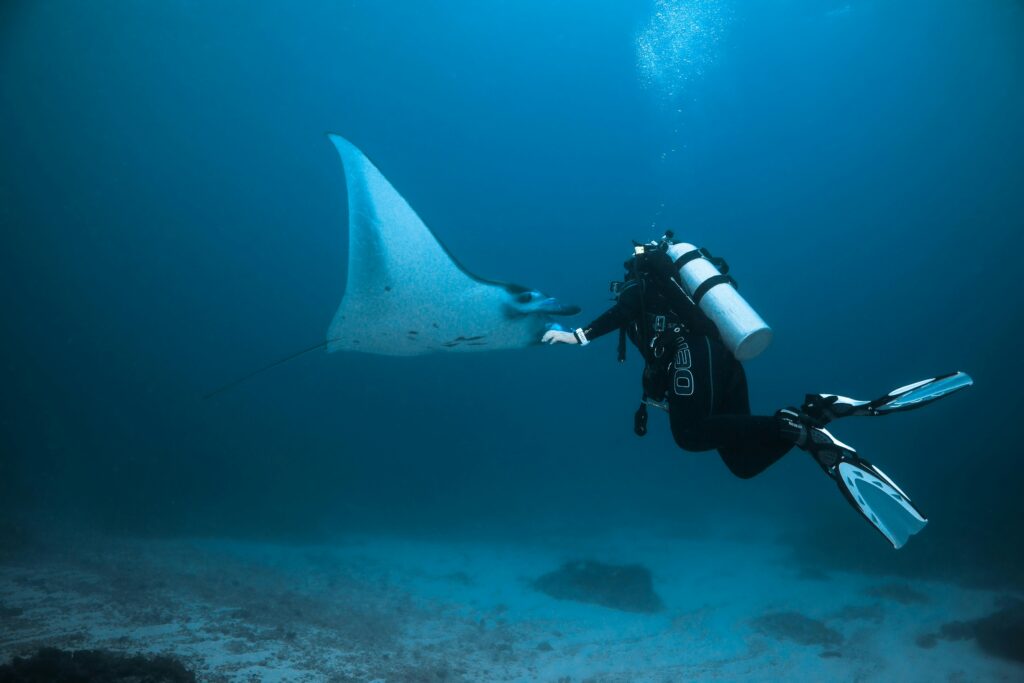
Manta Point is one of the best-known dive locations around Nusa Penida. The site is associated with reef manta encounters and attracts divers hoping to observe these impressive animals in their natural habitat.
Manta rays can move freely through the ocean, so sightings are not guaranteed. When encountering mantas, divers should maintain an appropriate distance and avoid touching or chasing them.
Following the instructions of the dive guide is also important. A responsible approach helps protect both divers and marine life.
Crystal Bay
Crystal Bay is particularly famous for seasonal Mola Mola encounters. The site can also offer good visibility and interesting underwater scenery.
However, divers should not underestimate the conditions simply because the site is popular. Water temperatures can become cooler, while currents may change depending on the conditions.
For this reason, Crystal Bay is better suited to divers whose experience and certification match the conditions expected on the day.
Toyapakeh
Toyapakeh provides a different underwater experience, with coral formations, reef fish, and drift-diving conditions depending on the location and current.
The site can offer excellent marine life encounters. However, its suitability depends on actual sea conditions.
A dive site that feels manageable on one day may require greater experience when currents become stronger. Professional guides should assess conditions before the dive and communicate the plan clearly.
Gamat Bay
Gamat Bay is another popular location for divers exploring the waters around Nusa Penida. The site can provide opportunities to see coral formations, tropical fish, and smaller marine creatures.
The underwater environment can also be interesting for photographers. Wide-angle scenes and smaller reef life can both provide opportunities for underwater photography.
SD Point and PED
SD Point and PED are frequently included in Nusa Penida diving programs. These reef sites can offer encounters with tropical fish, coral formations, turtles, and other marine life.
As with other sites around the island, conditions can vary. Therefore, the final dive location should always be based on the conditions and the diver’s experience rather than simply following a fixed itinerary.
Is Nusa Penida Diving Suitable for Beginners?
Yes, beginners can experience diving around Nusa Penida with the appropriate program and professional supervision.
Travelers without a diving certification can consider an introductory experience such as Discover Scuba Diving. These programs normally introduce basic diving skills and safety procedures before the participant enters the water under direct professional supervision.
However, beginners should understand that not every Nusa Penida dive site is suitable for a first-time diver.
Some areas are affected by stronger or changing currents. Therefore, the dive center should select a location according to the participant’s experience, comfort level, and conditions on the day.
For first-time divers, the goal should not simply be to visit the most famous site. Instead, the priority should be choosing a dive experience that is appropriate and comfortable.
What to Expect on a Nusa Penida Diving Trip
A typical diving day starts with preparation and a safety briefing.
Before entering the water, the dive team normally checks the equipment and explains the planned dive site. The guide may also discuss expected currents, visibility, depth, entry procedures, and communication signals.
Once underwater, divers should remain aware of their depth, air supply, buoyancy, and position relative to the guide and dive group.
Conditions can change during the day. Therefore, a professional dive operation should be willing to adjust the itinerary when necessary.
For example, if currents become stronger or visibility changes significantly, the guide may recommend another site or modify the dive plan.
This flexibility is particularly important for Nusa Penida diving, where ocean conditions can differ considerably between locations.
Diving Equipment You May Need
Professional dive centers generally provide the main equipment required for recreational diving. Depending on the diving program, this may include:
- Scuba tank
- BCD
- Regulator
- Mask
- Fins
- Wetsuit
- Weight system
- Dive computer
- Surface marker buoy when appropriate
- Diving boat
- Professional dive guide or instructor
Travelers should confirm what is included before booking because equipment packages can differ between operators.
You should also bring personal items such as swimwear, a towel, suitable sunscreen, drinking water, and a change of clothes.
Nusa Penida Diving Safety Tips
Safety should always be the first priority when diving.
The currents around Nusa Penida are one of the factors that make the area different from calmer diving locations in Bali. Conditions can change, so divers need to listen carefully to their guide and follow the planned procedures.
Keep these basic safety practices in mind:
- Listen carefully to the pre-dive briefing.
- Stay with your assigned dive group.
- Monitor your depth and air supply.
- Maintain good buoyancy control.
- Follow the guide’s instructions regarding currents.
- Avoid touching coral and marine animals.
- Maintain a respectful distance from wildlife.
- Communicate immediately if you feel uncomfortable.
- Do not assume previous diving experience makes every site suitable.
- Follow your certification limits and the dive plan.
A professional dive center should always prioritize diver safety rather than trying to complete an advertised itinerary at all costs.
Best Time for Nusa Penida Diving
Nusa Penida diving is possible throughout much of the year, although conditions vary according to weather, sea state, visibility, water temperature, and currents.
April to November is often considered a favorable period for diving. Meanwhile, Mola Mola sightings are particularly associated with July to October.
Nevertheless, seasonal information should not be treated as a guarantee.
Ocean conditions remain variable, and marine animals follow natural behavior rather than a fixed schedule. Even during the commonly associated Mola Mola season, sightings may not occur.
If seeing Mola Mola is an important part of your trip, discuss your expectations with your dive center before booking. An experienced operator can explain the typical conditions and help you choose a suitable diving plan.
Tips for First-Time Divers
Your first diving experience can be much more enjoyable when you prepare properly.
First, become familiar with your equipment before entering the water. Understanding how your mask, regulator, BCD, and other equipment work can help you feel more comfortable.
Second, focus on breathing slowly and maintaining neutral buoyancy. Good buoyancy control helps you conserve energy and reduces accidental contact with coral.
Finally, communicate with your instructor or guide.
If you feel nervous, uncomfortable, cold, tired, or unsure about something, tell your guide immediately. There is no need to hide discomfort during a dive.
Tips for Certified Divers
Certified divers should also prepare carefully before joining a Nusa Penida diving trip.
Your certification level and recent diving experience should be considered when choosing a site. If you have not dived for an extended period, a refresher session can help you review important skills.
Buoyancy control, underwater communication, equipment checks, and awareness of your surroundings are particularly useful when diving in areas affected by currents.
Divers interested in developing additional skills can also consider specialized training, such as navigation, deep diving, or drift diving, depending on their certification and goals.
How to Choose a Professional Dive Center
Choosing the right dive center can have a significant impact on your overall experience.
Before booking, look for an operator that provides qualified instructors or dive guides, properly maintained equipment, clear safety briefings, and transparent information about the planned dive sites.
A professional operator should also be willing to adjust the itinerary when conditions are unsuitable.
Ask the dive center about:
- The certification required for your chosen dive site
- The experience level recommended
- Equipment included in the package
- Group size and guide-to-diver ratio
- Expected water conditions
- Safety procedures
- Boat arrangements
- What happens if weather or currents make a site unsuitable
The goal should be to choose a dive center that puts safety, responsible diving, and clear communication first.
Frequently Asked Questions
Is Nusa Penida diving suitable for beginners?
Yes. Beginners can join introductory diving programs with professional supervision. However, not every dive site around Nusa Penida is suitable for first-time divers because currents can become strong or change quickly.
Can I see manta rays during Nusa Penida diving?
Manta rays are one of the major attractions around Nusa Penida, particularly around Manta Point. However, sightings cannot be guaranteed because manta rays are wild animals that move naturally through the ocean.
When is the best time to see Mola Mola in Nusa Penida?
Mola Mola sightings around Crystal Bay are particularly associated with July to October. However, sightings depend on natural conditions and cannot be guaranteed.
Do I need a diving certification for Nusa Penida diving?
A certification is not necessarily required for an introductory Discover Scuba Diving experience. Certified recreational dives generally require an appropriate recognized certification depending on the site and diving program.
What should I bring for Nusa Penida diving?
Most professional dive centers provide the main scuba equipment. Travelers should normally bring swimwear, a towel, suitable sunscreen, drinking water, and a change of clothes.