5 Things Every Nusa Scuba Diver Should Know Before Their First Dive
Slipping beneath the surface of the ocean for the first time is a transformative experience. The muffled sound of your own breathing, the weightlessness, and the explosion of vibrant marine life create a world unlike any other.
For many ocean enthusiasts, the coral reefs surrounding Bali’s sister islands offer the ultimate backdrop for this milestone. However, becoming a confident Nusa scuba diver requires more than just strapping on a tank and jumping off a boat.
The waters surrounding Nusa Penida and Nusa Lembongan are world-renowned, offering encounters with majestic Manta Rays and the elusive Mola Mola (Ocean Sunfish). Yet, as an experienced diver will quickly tell you, this marine environment is as dynamic as it is beautiful.
Before you take that giant stride entry into the deep blue, here are five essential things you need to know to ensure your first dives are safe, spectacular, and truly unforgettable.
1. Respect the Dynamic Ocean Currents
The most critical factor that separates a novice from a seasoned Nusa scuba diver is an understanding of the ocean’s power. The Lombok Strait, which runs between Bali and Lombok, channels massive volumes of water, creating strong and sometimes unpredictable currents around the Nusa islands.
The Reality of Drift Diving
Many dives in this region are “drift dives.” Instead of swimming around and returning to the anchor line, you simply allow the current to carry you along the reef while the boat follows your bubbles from the surface. While this feels like flying and conserves your energy, it requires excellent buoyancy control.
If you panic or try to fight a strong current, you will deplete your air supply rapidly. Always listen closely to your divemaster’s briefing on how to position your body and when to stay close to the reef for shelter.
Thermoclines and Dropping Temperatures
You might jump into warm, 28°C (82°F) water, but suddenly hit a wall of freezing water. This is a thermocline—a distinct layer in a large body of fluid in which temperature changes more rapidly with depth. In Nusa Penida, cold upwellings bring nutrient-rich waters from the deep, which is exactly what attracts the famous marine megafauna.
2. Choosing the Right Dive Courses in Nusa Penida
When you are ready to take the plunge, selecting the right instructor is paramount. The quality of your fundamental training dictates how comfortable you will feel underwater for the rest of your life.
Look Beyond the Price Tag
It is tempting to simply hunt for the cheapest dive courses nusa penida has to offer. However, underwater safety is not the place to cut corners. Look for dive centers that boast low student-to-instructor ratios.
Ideally, a beginner course should have no more than four students per instructor. This ensures you receive personalized attention, especially when mastering crucial skills like clearing water from your mask or retrieving a dropped regulator.
Ask About Equipment Maintenance
A trustworthy dive center will have pristine, well-maintained rental gear. Do not hesitate to inspect the BCDs (Buoyancy Control Devices) and regulators before signing up. Worn-out mouthpieces or fraying straps are massive red flags. Your life literally depends on this equipment, so choose an operator who treats their gear with professional respect.
Read More Other Articles:
- Manta Point Snorkeling: Is It Worth the Hype? (Honest Guide)
- Nusa Penida vs Nusa Lembongan Diving: Best Island for Diving
3. Navigating Your PADI Certification Bali vs. Nusa Penida
Many travelers wonder whether they should complete their training on mainland Bali or head straight to the islands. Both options have distinct advantages depending on your travel itinerary and comfort level in the water.
The Mainland Advantage
Getting your PADI certification bali often means doing your confined water (pool) sessions in specialized, controlled environments in Sanur or Padangbai. This can be highly reassuring for anxious beginners. You can master the basic skills in a calm pool before venturing out to the ocean.
Many centers in mainland Bali will then take you to calmer coastal spots like Tulamben (home of the USAT Liberty Shipwreck) for your initial open-water dives, before graduating to the challenging currents of Nusa Penida.
The Island Immersion
Alternatively, completing your certification directly on Nusa Penida immerses you in the marine environment immediately. While the confined water sessions might take place in a shallower, protected bay rather than a pristine swimming pool, you will learn to handle real-world ocean conditions from day one. This often builds highly resilient divers who are comfortable with varying visibility, surge, and currents right out of the gate.
4. Exploring the Best Dive Sites for Beginners
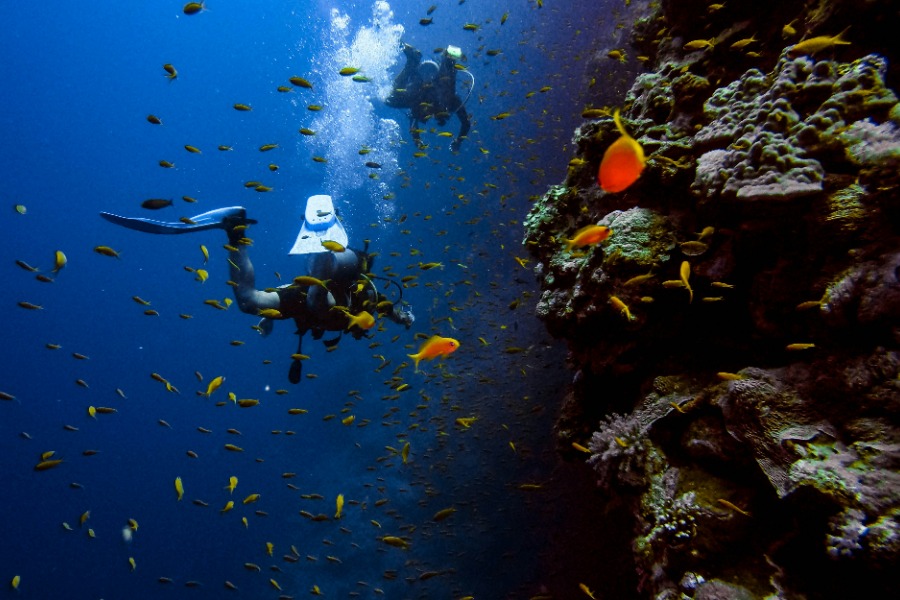
While Nusa Penida is famous for advanced drift dives, there are spectacular locations perfectly suited for newly certified divers. Knowing where to go ensures you have a positive, stress-free experience.
Manta Point: The Gentle Giants
Manta Point is arguably the most requested site on the island, and thankfully, it ranks among the best dive sites for beginners. The maximum depth is relatively shallow (around 10 to 15 meters), and the main objective is simply to kneel on the sandy bottom and watch the majestic Manta Rays circle their cleaning stations. The primary challenge here is not the current, but rather the surface swell, which can cause motion sickness for some divers.
Crystal Bay (With Caution)
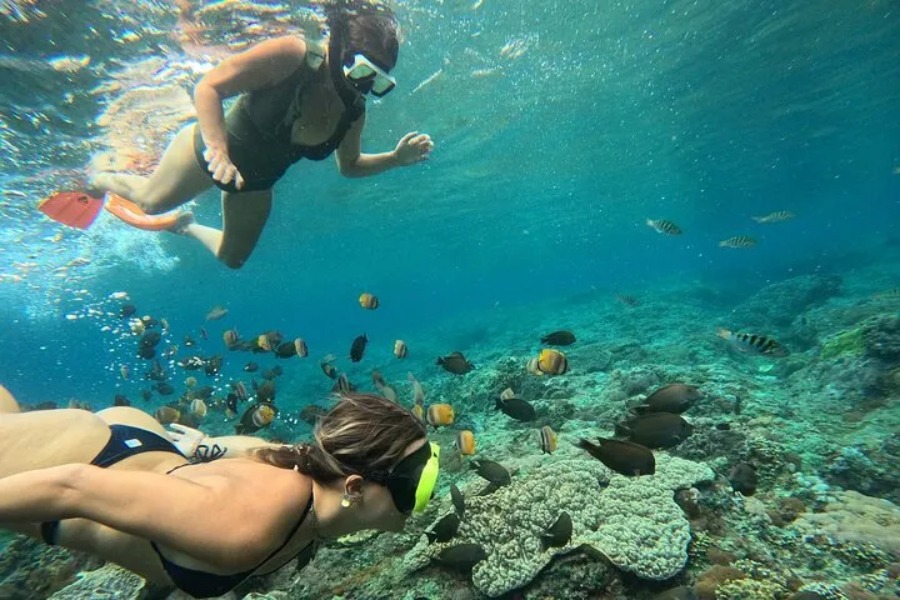
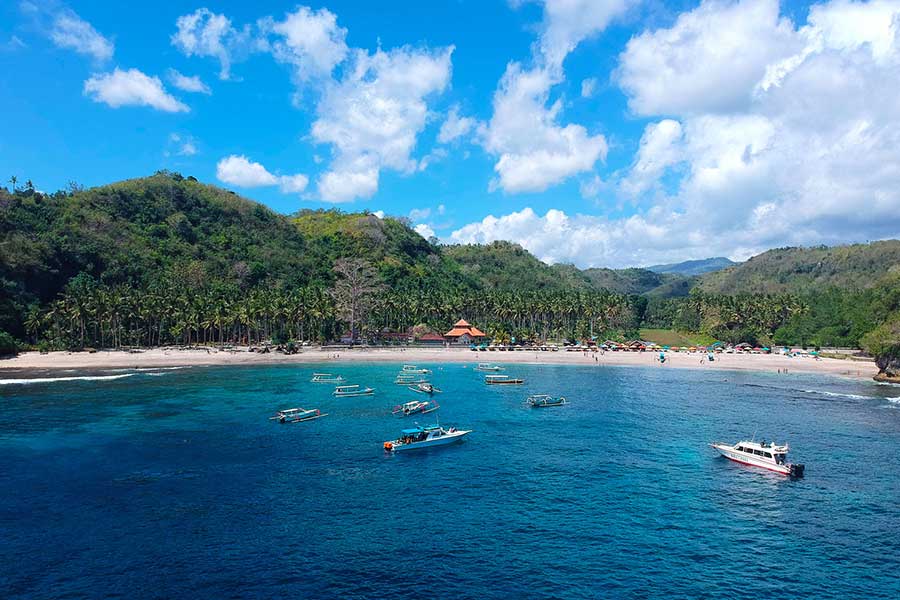
Crystal Bay is famous for its crystal-clear water and stunning coral formations. While the shallow bay area is excellent for beginners and training, a reputable guide will keep novices away from the outer edge of the bay where the channel currents become fierce. Inside the protected bay, you can expect to see an array of macro life, colorful nudibranchs, and schooling tropical fish.
SD Point and Ped
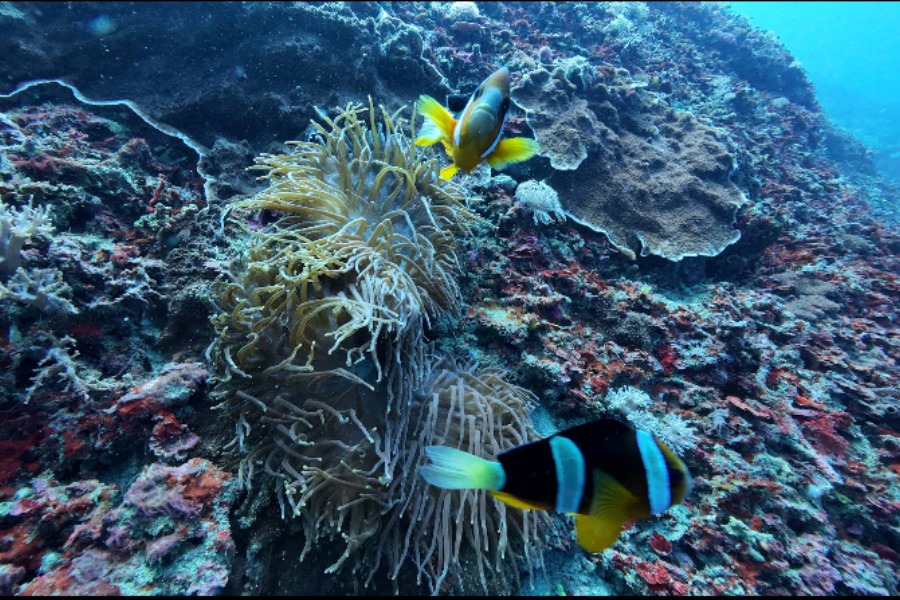
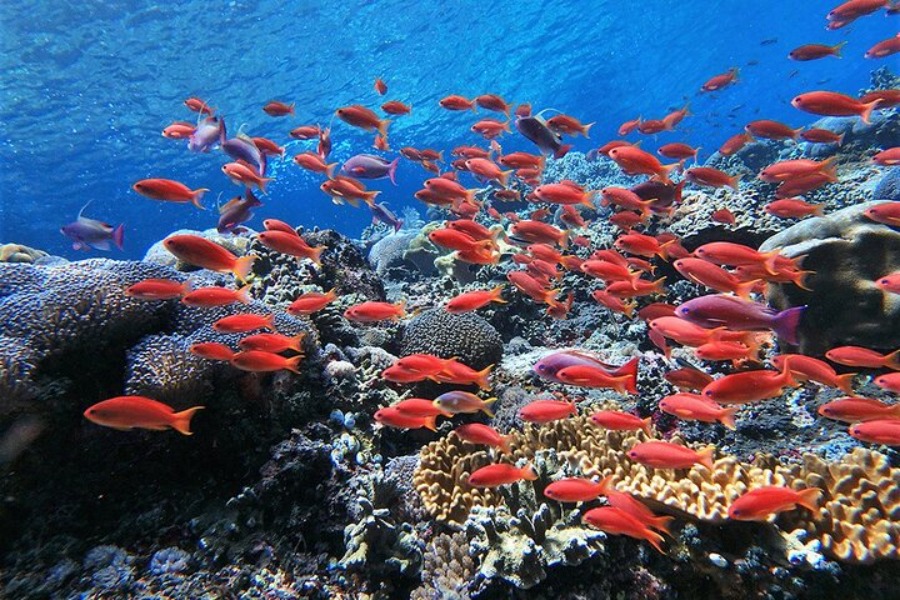
Located on the northern coast of Nusa Penida, these sites offer beautiful sloping reefs. They are excellent for introducing beginners to mild drift diving. The coral health here is phenomenal, packed with giant sponges, sea turtles, and massive schools of red-tooth triggerfish.
Book Your Diving Adventure with Nusablu
Experience the incredible underwater beauty of Nusa Penida with Nusablu. Whether you’re trying scuba diving for the first time or you’re a certified diver looking for world-class dive sites, our experienced team is here to provide a safe, enjoyable, and unforgettable adventure. Dive into crystal-clear waters, explore vibrant coral reefs, and discover the amazing marine life that makes Nusa Penida one of the world’s top diving destinations.
Why Choose Nusablu?
- Professional and experienced dive instructors.
- Small groups for a safer and more personal experience.
- High-quality, well-maintained diving equipment.
- Access to Nusa Penida’s most iconic dive sites.
- Suitable for beginners, certified divers, and PADI courses.
- Opportunity to encounter majestic manta rays and diverse marine life.
- Friendly service with a strong commitment to safety.
Frequently Asked Questions (FAQ)
1. Can I dive in Nusa Penida if I have never dived before?
Yes! You can participate in a “Discover Scuba Diving” (DSD) program. You do not need a certification for this. A professional instructor will teach you the basic safety guidelines, practice a few skills in shallow water, and then closely guide you on a shallow ocean dive.
2. Are the currents in Nusa Penida too dangerous for beginners?
The currents can be dangerous if you dive at the wrong sites or with an inexperienced guide. However, reputable dive centers specifically select sheltered bays or time their dives with the tides to ensure safe, manageable conditions for beginners.
3. Will I definitely see Manta Rays?
While Manta Point boasts a very high success rate (often over 85%) for sightings year-round, these are wild animals in an open ocean environment. Sightings can never be 100% guaranteed, but your chances here are among the best in the world.
4. When is the best time of year to dive in Nusa Penida?
You can dive here year-round, as Manta Rays are resident to the area. However, if you are hoping to spot the elusive Mola Mola (Ocean Sunfish), the best season is between July and October.
5. How deep will I go on my first dives?
For those trying scuba diving for beginners bali through a Discover Scuba Diving (DSD) experience, your maximum depth is strictly limited to 12 meters (40 feet). If you are completing your full Open Water certification, you will eventually reach a maximum depth of 18 meters (60 feet).
6. What happens if I am prone to seasickness?
The boat ride from mainland Bali or around the coastal cliffs of Penida can be choppy due to ocean swells. If you are prone to motion sickness, take marine-safe medication at least an hour before boarding.
7. Can beginners dive with the Mola Mola (Ocean Sunfish)?
Generally, no. While encountering a Mola Mola is a dream for any Nusa scuba diver, these magnificent creatures are typically found at deeper depths (often below 20 meters) and in areas with very strong, unpredictable currents like Crystal Bay’s outer channel.
8. Should I stay on Nusa Penida or book a dive trip from mainland Bali?
Both are highly viable options. Staying on Nusa Penida allows for shorter boat rides to the best dive sites for beginners and a much more relaxed morning. Conversely, many excellent dive operators run daily, specialized speedboats from Sanur or Padangbai.
9. Do I need to buy my own scuba gear before taking a course?
Not at all. Any reputable operator offering dive courses nusa penida will include full equipment rental (wetsuit, BCD, regulator, mask, and fins) in their package. However, if you plan to dive regularly in the future, buying your own well-fitting mask is highly recommended.
10. Do I need to be a strong swimmer to get my PADI certification?
You do not need to be a competitive athlete, but basic watermanship is mandatory for a PADI certification bali. You must be able to float or tread water comfortably for 10 minutes and swim 200 meters continuously.