Nusa Penida Diving: Understanding the Island’s Underwater Ecosystems
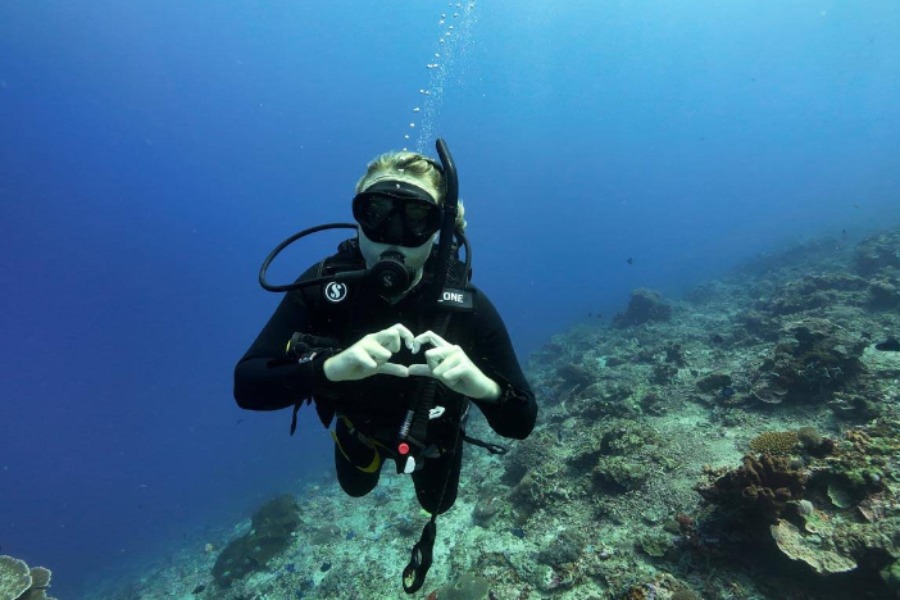
When you explore the waters of Bali, Nusa Penida diving shows you a vivid and thriving marine world. The clear blue water and dramatic underwater landscape are only part of the appeal. In fact, the real wonder of diving in Nusa Penida is seeing how different sea creatures work together as one living system.
Beneath the surface, no organism lives alone. For example, coral gives small fish shelter and a safe place to grow up. Likewise, plant-eating fish keep the reef clean, and plankton feeds the whole food web. Large filter feeders like manta rays then depend on nutrient-rich currents. Once you understand these links, a simple dive becomes a deeper experience of the Nusa Penida underwater world. It also shows why protecting its delicate balance matters.
The Marine Environment That Shapes Nusa Penida’s Underwater World
Strong natural forces shape the sea around Nusa Penida. The island sits along the Lombok Strait, a major channel between the Pacific and Indian Oceans. As a result, its coastal waters see shifting tides, cool nutrient-rich upwelling, and a varied seabed.
Conditions also change a lot from one side of the island to the other. Therefore, Nusa Penida supports several distinct habitats instead of one uniform environment:
- Sloping Fringing Reefs: The sheltered north coast has gentle coral gardens in warm, sunlit water. These conditions suit dense hard and soft coral growth.
- Steep Drop-Offs and Walls: Exposed coastlines fall sharply into deep channels. Consequently, they form vertical habitats swept by currents that carry nutrients.
- Rocky Bays and Cleaning Stations: Southern coves and underwater rocky outcrops attract open-water visitors. They also host communities of cleaner fish.
Water temperature, light, and current flow all differ between these zones. Together, they decide how Nusa Penida marine life is spread across the reef.
Coral Reefs: The Foundation of a Diverse Marine Ecosystem
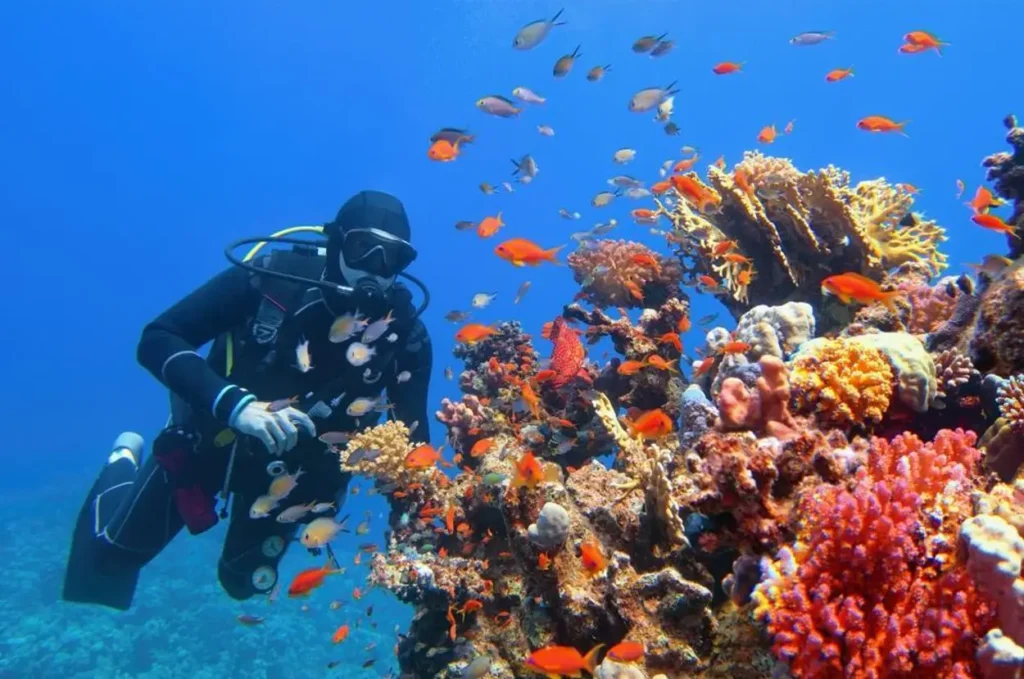
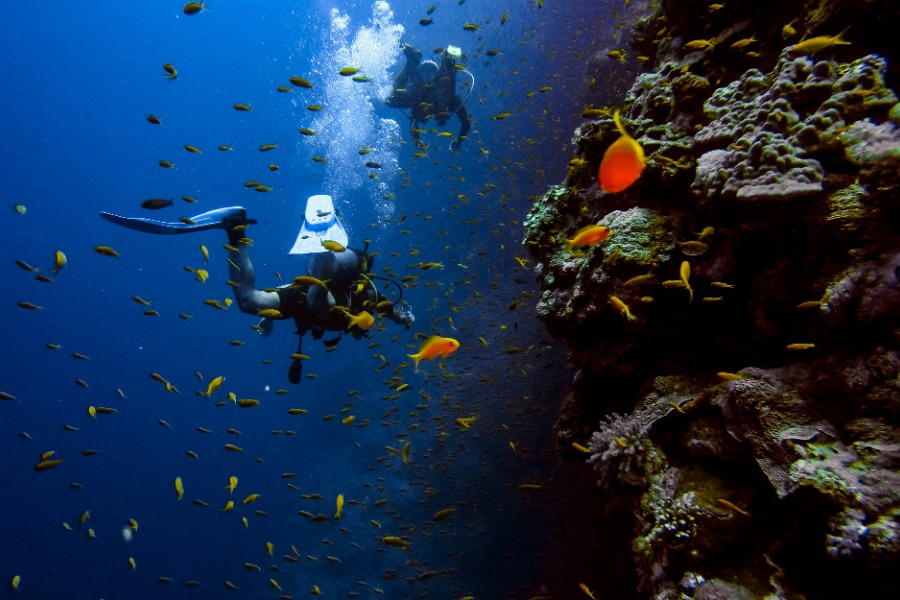
Nusa Penida coral reefs sit at the heart of the island’s tropical marine biodiversity. People often call coral reefs the rainforests of the sea. Over centuries, tiny animals called coral polyps build them by making hard skeletons of calcium carbonate.
How Coral Reefs Support Marine Life
A healthy coral reef ecosystem gives thousands of species the structure they need to live:
- Shelter and Protection: Branching corals, table corals, and rocky crevices create hiding places. Small fish and juveniles use them to escape larger predators.
- Foraging Grounds: Corals and nearby rocks grow algae, sponges, and tiny organisms. In turn, these feed grazing fish and invertebrates.
- Nursery Habitats: Calm, complex reef zones protect young animals. They stay there until they are big enough for deeper water.
Why Coral Reef Health Matters
So many animals rely on coral for food and shelter. Therefore, the state of the reef decides how rich the whole local ecosystem is. When damage or stress harms the coral, the reef loses shelter. As a result, fish and invertebrate numbers can fall. Protecting reef structures is thus essential for the marine biodiversity Nusa Penida waters support.
Reef Fish and Their Roles in the Underwater Ecosystem
During scuba diving marine life encounters, you first notice the bright colors and shapes of reef fish species. However, these fish do more than look good. Each group has a job that helps keep ocean ecosystem balance.
Small Reef Fish and Their Ecological Importance
Small reef fish, such as damselfish, anthias, chromis, and gobies, play key roles on the reef:
- Energy Transfer: Schooling fish eat tiny plankton that currents carry past the reef. In this way, they bring open-water nutrients onto the reef. Larger predators then eat them, which passes the energy along.
- Micro-Habitat Maintenance: Many small species live close to one coral colony or sea anemone. Their constant movement also helps water and nutrients circulate around the host.
The Relationship Between Reef Fish and Coral Health
Plant-eating reef fish, such as parrotfish, surgeonfish, and rabbitfish, partner with living corals. Algae compete with coral polyps for sunlight and space. However, these fish graze on fast-growing algae all day. This keeps the reef clean, so baby coral can settle and grow. Meanwhile, predators such as groupers, snappers, and trevallies control prey numbers. Because of this, no single species takes over the reef.
Manta Rays: Understanding Their Place in Nusa Penida’s Marine Ecosystem
Reef manta rays (Mobula alfredi) are among the most memorable sights in underwater wildlife Bali has to offer. Unlike bottom-dwelling stingrays or small reef fish, mantas are large, graceful open-water swimmers. They glide through the sea on wing-like fins.
Why Manta Rays Visit Certain Marine Areas
Manta rays are filter feeders. They eat huge amounts of tiny zooplankton and small crustaceans floating in the water. As they swim with open mouths, special gill plates strain the food from the water.
Studies of manta rays Nusa Penida groups point to two main behaviors that bring them to certain areas:
- Foraging in Nutrient-Rich Currents: Tidal currents sometimes gather plankton in bays and channels. When this happens, mantas gather near the surface or mid-water to feed.
- Visiting Cleaning Stations: Mantas also visit coral outcrops or rocky pinnacles called cleaning stations. There they hover slowly while small cleaner fish remove parasites, dead skin, and bacteria.
Manta Rays and Their Relationship With Other Marine Organisms
At cleaning stations, mantas and cleaner wrasses or butterflyfish show a classic case of marine mutualism. The manta gets a parasite-free body. In return, the cleaner fish get a steady meal. Still, mantas are wild animals. Their movements depend on plankton blooms, tides, and the season. For this reason, no dive can promise a sighting, and every respectful encounter is a privilege.
Other Marine Species That Contribute to Underwater Biodiversity
Corals, reef fish, and manta rays often get the most attention. Even so, underwater species diversity in every marine habitat Nusa Penida offers depends just as much on less obvious organisms.
The Importance of Smaller Marine Organisms
Plankton is the hidden engine of the marine food web. It has two parts: plant-like phytoplankton and tiny animal zooplankton. First, phytoplankton uses sunlight to make oxygen and organic matter. Next, zooplankton eats that matter. Finally, zooplankton feeds reef fish, coral polyps, and filter feeders like manta rays.
How Different Species Depend on Each Other
Across the reef and sandy slopes, many animal groups rely on each other every day:
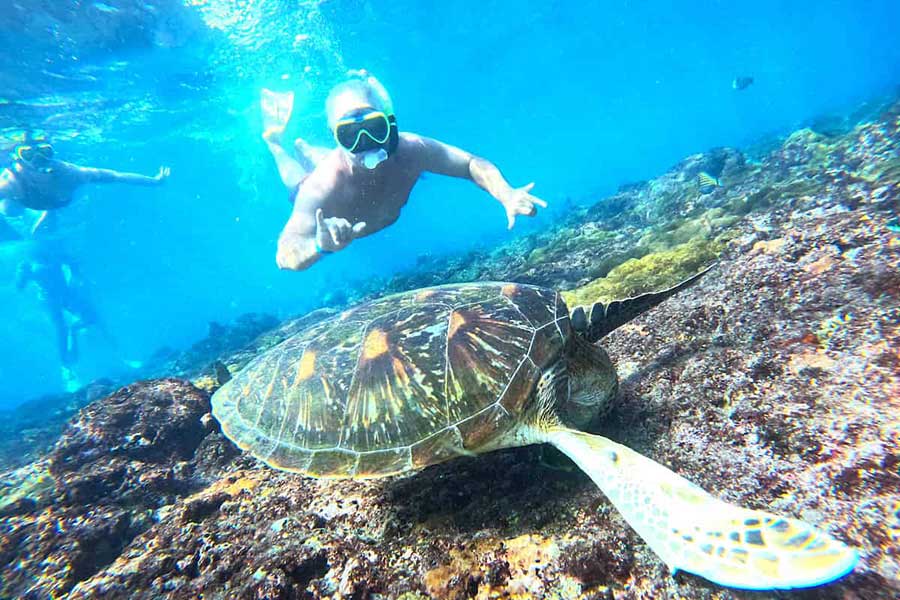
- Sea Turtles: Green and hawksbill turtles graze on seagrass, algae, and sponges at Nusa Penida reefs. By doing so, they stop sponges from overgrowing corals.
- Marine Invertebrates: Sea cucumbers, starfish, sea urchins, crabs, and nudibranchs recycle waste on the seafloor. In addition, they loosen sand beds and graze on algae.
- Apex and Mid-Level Predators: Reef sharks, barracudas, and moray eels hunt weak or overly common species. As a result, animal populations stay healthy.
Understanding the Marine Food Web in Nusa Penida
Life under the sea here is not a simple, straight food chain. Instead, it is a complex marine food web with many linked paths for energy. Plankton feeds small schooling fish and filter feeders. Algae feeds plant-eating fish and sea turtles. Invertebrates break down waste, and predatory fish connect the different levels.
Because these links overlap, a change in one place affects others. The table below sums up the main role of each major group:
| Marine Organism | Ecological Role |
| Coral organisms | Build 3D calcium carbonate reefs that give shelter and nursery habitats |
| Herbivorous reef fish | Graze on algae so young corals can settle |
| Predatory fish | Control prey numbers and keep the food web balanced |
| Manta rays | Filter-feed on zooplankton and link nutrient-rich currents to coastal reefs |
| Plankton | Form the energy base of marine food webs and feed filter feeders |
| Marine invertebrates | Recycle organic matter, graze algae, and feed reef predators |
Note: This overview shows general roles in a tropical reef ecosystem. It is not a full list of Nusa Penida’s marine species.
Environmental Challenges Affecting Underwater Ecosystems
Like coastal waters across the Indo-Pacific, the marine ecosystem Bali supports faces ongoing pressures. These pressures can upset delicate biological links:
- Ocean Warming and Coral Bleaching: Warm seas can make corals expel the algae living in their tissue. This is called bleaching, and it leaves corals more open to disease.
- Physical Reef Damage: Careless anchoring, boat groundings, and accidental contact from divers or snorkelers can snap fragile coral. Some of it took decades to grow.
- Marine Pollution and Plastic Debris: Runoff from land and floating plastic harm water quality. Moreover, turtles, fish, and filter feeders may swallow plastic or get tangled in it.
- Unsustainable Tourism Pressure: Crowding cleaning stations or chasing animals can disturb natural feeding, cleaning, and resting.
For these reasons, coral reef conservation and low-impact visitor behavior are essential.
How Divers Can Help Protect Nusa Penida’s Marine Ecosystems
Every diver can reduce harm to Nusa Penida marine life. In particular, responsible diving practices protect fragile habitats and natural animal behavior:
- Maintain Neutral Buoyancy: Good buoyancy control stops fins and gear from crushing delicate corals and sponges.
- Never Touch, Stand On, or Collect Marine Life: Treat corals, shells, and reef animals as living things. Look, but do not touch.
- Keep a Respectful Distance from Wildlife: Around manta rays, sea turtles, or reef sharks, stay calm and keep back. Never block their path or chase them for photos.
- Never Feed Fish or Marine Animals: Feeding changes natural foraging habits and upsets the reef’s balance.
- Follow Dive Guide Briefings: Respect site rules, entry and exit steps, and local conservation guidelines from your dive leader.
- Choose Responsible Dive Operators: Pick centers that use mooring buoys instead of dropping anchors on reefs. Good operators also brief guests on environmental etiquette.
Discovering Nusa Penida Diving Beyond Its Marine Life
Nusa Penida diving offers far more than ticking famous species off a list. Under the waves, coral builders, grazing fish, tiny plankton, and gliding manta rays all depend on one another. Together, they form a self-sustaining community.
When you understand these links, every dive feels richer. Therefore, before you plan your trip, research dive operators in Nusa Penida with care. Look for those that stress safety briefings, environmental awareness, and low-impact diving. That way, you can explore the island’s marine ecosystems with respect.
Frequently Asked Questions (FAQ)
1. What Makes Nusa Penida’s Underwater Ecosystem Unique?
Nusa Penida sits along the Lombok Strait. There, nutrient-rich currents, deep-water upwelling, and varied coastal terrain support many habitats. These range from sheltered coral gardens to steep walls and manta ray cleaning stations.
2. What Types of Marine Life Can Divers See in Nusa Penida?
Divers often see hard and soft corals, colorful reef fish (such as parrotfish, butterflyfish, and anthias), and sea turtles. They may also meet reef manta rays, moray eels, and many invertebrates. However, sightings vary with dive site, season, and sea conditions.
3. How Do Coral Reefs Support Marine Biodiversity?
Coral reefs form complex 3D structures. These give shelter from predators, feeding surfaces for grazers, and safe nurseries for young fish and invertebrates.
4. Why Are Reef Fish Important to Coral Reef Ecosystems?
Reef fish do several essential jobs. Plant-eating fish eat algae that would otherwise smother corals. Small schooling fish bring plankton nutrients onto the reef. In addition, predatory fish keep species numbers balanced.
5. What Do Manta Rays Eat in Nusa Penida?
Manta rays are filter feeders. They swim with open mouths and strain tiny zooplankton, fish larvae, and small crustaceans from nutrient-rich currents.
6. Why Do Manta Rays Visit Cleaning Stations?
Mantas visit certain reef outcrops called cleaning stations. There, small cleaner fish (such as cleaner wrasses and butterflyfish) eat parasites, dead skin, and bacteria from the manta’s skin, gills, and mouth.
7. Do Manta Rays Depend on Coral Reefs to Survive?
Mantas feed in open water and do not eat coral. Even so, they use certain reef formations as cleaning stations. They also rely on a healthy coastal ecosystem to keep plankton plentiful.
8. How Does Plankton Support Marine Life in Nusa Penida?
Plankton is the energy base of the marine food web. It turns sunlight and nutrients into food. That food then sustains coral polyps, small reef fish, invertebrates, and large filter feeders like manta rays.
9. What Environmental Threats Can Affect Nusa Penida’s Marine Ecosystems?
Warming seas can trigger coral bleaching. Plastic pollution is another threat. Boat anchors and careless divers can also damage reefs. Finally, crowding at sensitive wildlife sites can disturb animals.
10. How Can Scuba Divers Protect Marine Life in Nusa Penida?
Divers can protect marine life with good buoyancy. They should never touch or stand on coral. They should also keep their distance from manta rays and turtles and never chase them. Lastly, they should never feed wildlife and should follow their dive guide’s instructions.