Diving Nusa Penida: How Ocean Currents Shape Every Underwater Journey
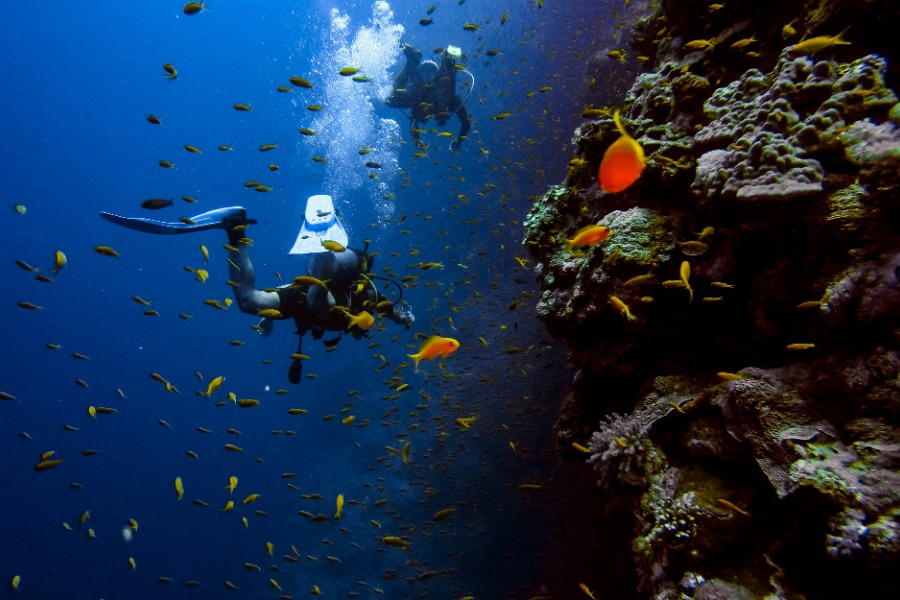
Exploring the waters around Nusa Penida introduces divers to a dynamic marine environment where scenery is only part of the story. Because the island sits within a busy oceanic corridor, diving Nusa Penida means engaging with Nusa Penida diving conditions that shift across locations, depths, and time frames. Among these natural elements, diving currents in Nusa Penida play a central role in shaping how a session unfolds—influencing underwater movement, site selection, visibility, and how instructors structure each dive.
Rather than treating currents solely as a hurdle to overcome, understanding how ocean currents Bali waters experience actually behave helps divers see why every plan must match real-time conditions. A site that feels calm and clear during one window can experience stronger movement or shifting direction later in the day, making thoughtful planning and professional guidance essential to every underwater journey.
Understanding Ocean Currents Around Nusa Penida
In oceanography, underwater currents refer to the continuous, directed movement of seawater driven by physical forces and basin geometry. While surface waves generally represent orbital motion passing through the water surface as wind transfers energy—often breaking near shorelines—currents involve sustained transport of water masses across distances and depths.
Several interconnected factors shape how water moves around islands and straits:
- Tidal Cycles: Gravitational interactions between the Earth, moon, and sun create regular rises and falls in sea level, generating tidal currents Bali channels experience as water moves in and out of coastal basins and connecting seas.
- Geography and Seabed Topography: Narrow channels, island headlands, submerged ridges, and steep drop-offs constrict or funnel moving water, accelerating flow or creating eddies around underwater features.
- Wind and Surface Stress: Sustained winds across open water can influence surface drift and water transport, particularly in more exposed coastal zones.
- Water Density and Mixing: Differences in water temperature and salinity—including cooler water rising from deeper layers—can interact with coastal flow patterns.
Because these forces interact continuously, current strength and current direction underwater can vary noticeably from one cove or wall to another and can shift within relatively short periods as tides turn or weather changes.
Why Nusa Penida’s Waters Can Have Changing Current Conditions
Sea conditions Nusa Penida divers encounter are not uniform across the island. Positioned along the Lombok Strait—a major passage linking waters of the Pacific and Indian Oceans—Nusa Penida experiences complex hydrodynamics shaped by narrow channels, varying depths, tidal exchange, and local weather.
Sheltered bays or shallower reef areas may experience very different water movement than exposed channels, steep walls, or points facing open swells. Even well-known areas such as Crystal Bay or Manta Point can present different conditions depending on tides, swell, and local water movement at the time of entry. Assuming that every site has identical currents—or that every site always has strong currents—overlooks how site-specific geography and changing conditions interact.
How Ocean Currents Affect Underwater Movement
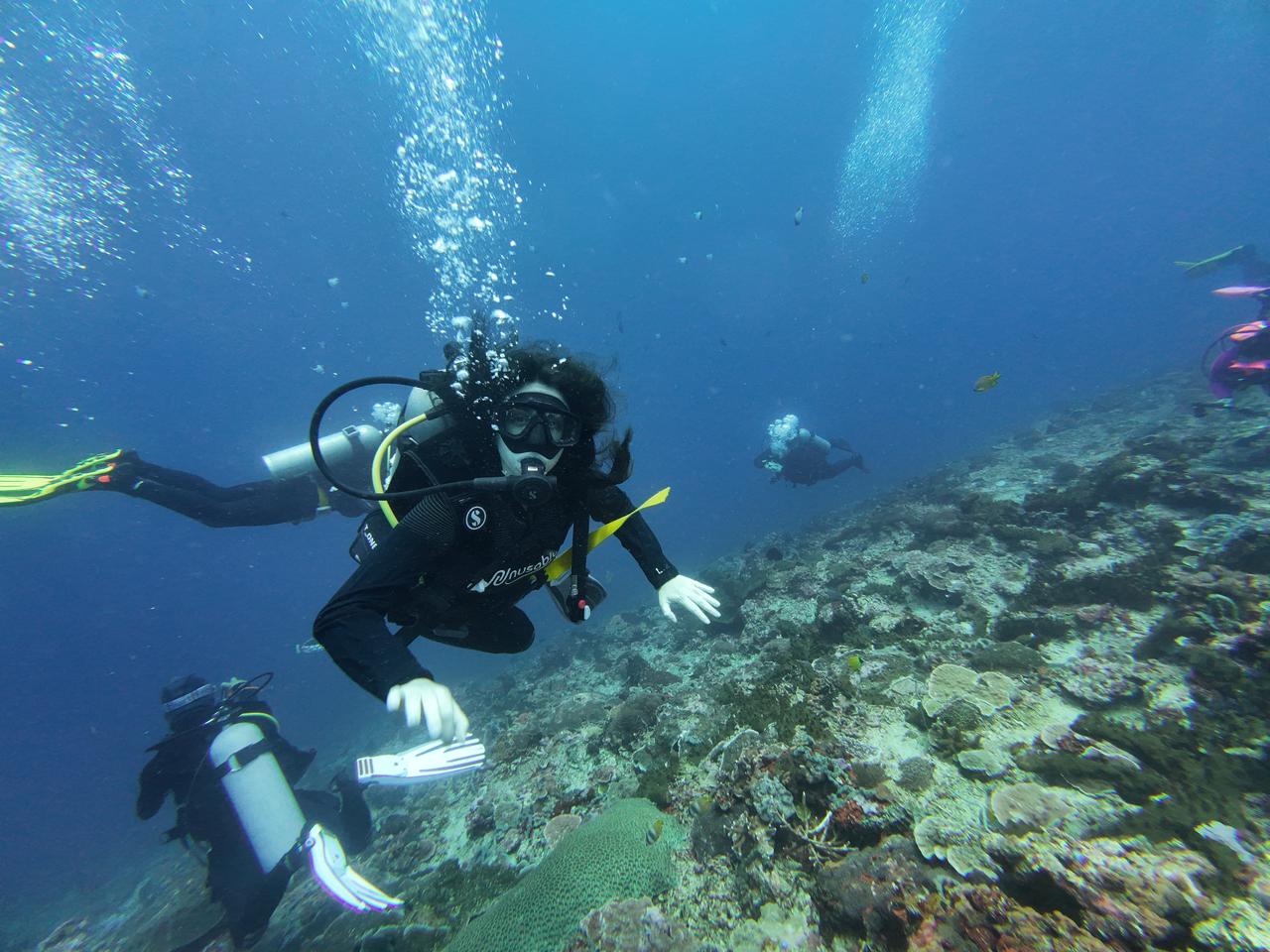
Once beneath the surface, scuba diving currents directly affect how a diver moves, holds position, and manages effort. Water movement acts on a diver’s body and equipment across the entire water column, changing how routine actions feel.
Key ways currents influence underwater movement include:
- Directional Transport: Moving water can carry a diver along the flow path, meaning progress relative to the seabed depends on both finning and water speed.
- Station-Keeping Effort: Hovering in one spot to inspect a reef feature or take a photograph becomes harder when water is moving steadily past the site.
- Energy Expenditure and Breathing: Working harder against resistance increases physical exertion and can raise air consumption, whereas moving smoothly with the flow often requires less propulsion effort.
- Spatial Awareness: Currents can gently separate members of a buddy team or group if divers do not pay attention to where others are positioned relative to the flow.
Swimming Against the Current vs. Moving With the Current
Comparing diving with currents in opposite directions highlights how differently the body experiences water flow:
- Swimming Against the Current: Pushing into oncoming water creates drag against a diver’s body and gear. Covering even a short distance against flow can require sustained leg effort and extra energy, which is why dive plans are typically structured to avoid exhausting battles against strong currents.
- Moving With the Current: Traveling in the same direction as the flow allows divers to cover ground smoothly while keeping finning controlled and measured. However, moving with the current still demands active control—divers must regulate depth, maintain clear visual contact with the guide and group, and stay alert to entry and exit plans.
In drift diving Nusa Penida sessions, divers intentionally move with a current as part of a planned dive profile under guide supervision. While current diving techniques taught in specialized training help certified divers manage flow safely, this article is meant to build conceptual understanding rather than provide technical instructions for strong currents scuba diving that require hands-on training and instructor assessment.
Why Buoyancy and Position Awareness Matter
When water is moving, buoyancy control and position awareness become closely linked. Neutral buoyancy—achieving a balanced state where you neither sink nor float unintentionally—allows you to adjust depth smoothly with minimal effort and stay clear of the bottom.
- Maintaining Stable Depth: If a diver’s buoyancy is slightly too positive or too negative in moving water, small vertical shifts can happen quickly, making it harder to stay level with the group.
- Protecting Fragile Reefs: Drifting or hovering near uneven coral formations increases the risk of accidental fin kicks or contact if buoyancy is not well controlled.
- Staying Connected With the Group: Knowing which way the water is moving helps divers anticipate where teammates will drift if someone pauses, keeping the guide and buddy pair in sight without crowding.
How Currents Influence Dive Site Selection
Choosing among Nusa Penida dive sites is never based solely on scenery or popularity; dive site selection depends heavily on how current patterns match the day’s conditions and the divers’ capabilities.
Instructors and operators weigh several factors when matching a site to a group:
- Site-Specific Flow Characteristics: Different locations around the island have distinct layouts—such as protected coves, sloping reefs, walls, or open channels—that influence how water moves through them.
- Diver Experience and Certification: A site with gentle flow may suit newer certified divers, while sites prone to brisk currents or deeper drop-offs call for appropriate training, comfort, and experience.
- Entry and Exit Logistics: Boat boarding, ladder climbs, surface intervals, and shoreline conditions can be more demanding when waves and currents combine.
- Depth, Visibility, and Seabed Profile: Current movement interacts with depth contours and seabed sediment, influencing underwater visibility and how easily divers can follow a reef line.
An iconic or visually appealing site is not automatically the right choice for every group on every day; suitability depends on the match between real-time sea conditions and diver readiness.
Why the Same Dive Site Can Offer Different Conditions
Visiting the same dive site on two different days—or even at two different hours—can feel like a completely different dive. Tidal stages shift water flow, wind and swell alter surface and nearshore movement, and weather changes affect clarity and comfort. Because ocean conditions are dynamic, specific current strength or calm conditions cannot be promised for a particular time or date in advance.
How Instructors Assess Current Conditions Before a Dive
A central part of guided scuba diving Nusa Penida operations is how instructors and dive guides evaluate conditions before anyone enters the water. Rather than following a rigid script regardless of the sea, diving with a professional guide relies on ongoing observation and sound judgment.
Before a dive begins, professionals typically review:
- Weather and Marine Forecasts: Checking wind patterns, swell direction, and weather outlooks to understand broader sea state trends.
- Tide and Current Information: Reviewing tidal schedules and expected flow patterns alongside actual visual cues on the water.
- Local Operational Context: Gathering up-to-date observations from boat crews, local colleagues, or earlier surface checks at the site.
- Diver Readiness and Background: Considering participants’ certification levels, logged experience, comfort in moving water, and recent time out of the water.
- Site Plan and Entry/Exit Details: Evaluating how the planned route, depth, and surface pickup or boat return align with current movement.
Based on these inputs, the instructor decides whether the initial plan works as intended or requires modification.
When Instructors Need to Adjust the Dive Plan
Effective dive planning stays flexible when real conditions differ from expectations. An instructor may adjust a plan if:
- Currents prove stronger or run in a different direction than anticipated.
- Surface chop, swell, or shifting weather complicates entry, exit, or surface safety.
- Underwater visibility is lower than needed for comfortable group contact and navigation.
- A diver’s comfort level, buoyancy, or readiness does not match the demands of the planned site.
- An alternative site offers safer, more suitable conditions for the group.
Changing locations, delaying entry, or canceling a dive are responsible safety decisions—not signs of a failed outing. At the same time, no instructor can predict ocean currents with absolute certainty, which is why continuous on-site assessment matters so much.
The Role of Drift Diving in Nusa Penida
Drift diving is a style of scuba diving in which divers travel along with an existing current rather than swimming against it. Guided by a dive leader, the group moves with the water flow while maintaining controlled depth, clear communication, and coordinated entry and exit plans.
It is important to separate planned drift diving from being caught off guard by water movement:
- Planned Drift Diving: The current is anticipated as part of the dive plan, the site and entry/exit method are chosen for moving water, and the guide actively leads navigation and group spacing.
- Unintended Current Drift: A diver or group encounters unexpected flow or loses group alignment without proper preparation, increasing the risk of separation, overexertion, or missed exit points.
Because underwater navigation in moving water focuses on relative position, reference points, and group coordination rather than swimming back to a fixed start point, drift diving requires clear briefing, attentive teamwork, and structured supervision.
Is Drift Diving Suitable for Every Diver?
Drift diving is not automatically suitable for every diver. Whether it is appropriate depends on actual current conditions, diver certification and experience, buoyancy control, ease in the water, and the instructor’s assessment of the group. Individual suitability should always be evaluated through direct briefing and guidance from a qualified instructor rather than assumed in advance.
What Divers Should Know Before Diving in Changing Currents
Preparation before entering the water helps divers stay calm, attentive, and aligned with the dive team when conditions vary. Consider these practical habits as part of scuba diving safety:
- Share Accurate Experience Details: Be honest with your operator about your certification level, recent dive history, and comfort level in currents so you can be placed in a suitable group and site.
- Ask About Expected Conditions: Check with the dive team about anticipated sea conditions for the day and how plans may adapt if currents shift.
- Focus on the Briefing and Signals: Pay close attention to entry/exit instructions, hand signals, lost-buddy steps, and group spacing rules before getting in the water.
- Follow Guide Directions: Stay with your buddy and guide, maintain steady buoyancy, and follow instructions on pacing and positioning throughout the dive.
- Speak Up Early: Let your instructor or guide know if you feel uneasy, fatigued, or unsure before the dive—or signal clearly underwater—rather than pushing past your comfort zone.
- Respect Training Boundaries: Keep your diving within your training, certification limits, and the briefing provided by your guide; informational reading is no substitute for formal instruction.
Why Understanding Ocean Currents Makes Diving in Nusa Penida More Meaningful
Ocean currents are an integral part of what makes diving Nusa Penida distinctive. Rather than viewing moving water merely as something to avoid, understanding how currents form, how they affect movement and visibility, and how they shape site choices gives divers a clearer picture of the marine environment.
When you appreciate the link between sea conditions, diver readiness, flexible planning, and instructor judgment, every dive becomes more thoughtful and grounded. If you are planning an underwater trip around Nusa Penida, look for a professional operator that assesses real-time sea conditions carefully, matches sites to diver experience, and prioritizes safe, well-guided diving.
Frequently Asked Questions (FAQ)
1. Why Are Ocean Currents Important When Diving in Nusa Penida?
Currents affect how divers move underwater, how much energy and air they use, which dive sites are suitable, how clearly they can see in the water, and how instructors plan for safety. Because conditions vary by spot and timing, real-time assessment is needed before every dive.
2. Are Currents Strong in All Nusa Penida Dive Sites?
No. Current strength and direction differ from one location to another and change over time based on tides, geography, depth, and weather. Conditions cannot be generalized across every dive site around the island.
3. What Causes Ocean Currents Around Nusa Penida?
Water movement around Nusa Penida is shaped by tidal cycles, geographic features such as straits and headlands, seabed contours, wind, and water mixing. Exact conditions at any moment depend on how these factors interact locally.
4. How Do Currents Affect Underwater Visibility?
Currents can stir up sediment or move clearer offshore water into an area, so their impact on visibility depends on local bottom type, tides, and weather. Currents do not always improve or reduce water clarity.
5. What Is Drift Diving and Is It Common in Nusa Penida?
Drift diving is a planned dive in which divers move with a current under guide supervision rather than swimming against it. Whether drift diving takes place on a given day depends on site conditions, tide, and operator planning.
6. Can Beginners Go Diving in Areas With Strong Currents?
Suitability depends on actual current strength at the time, the diver’s certification and experience, and the instructor’s assessment. Beginners should not assume they can dive sites with strong currents without appropriate training, conditions, and supervision.
7. How Do Dive Instructors Check Ocean Current Conditions?
Instructors review weather and tide information, observe surface and underwater cues, check local conditions, and weigh diver experience and site logistics before deciding whether to proceed or adjust the plan.
8. Can a Dive Centre Change the Dive Site Because of Strong Currents?
Yes. Operators can switch to a more suitable site, adjust timing, or delay or cancel a dive when current or sea conditions call for a safer option.
9. What Should Divers Do If They Feel Uncomfortable With the Current?
Share any concerns before entering the water, review communication signals and safety procedures during the briefing, follow the guide’s instructions underwater, and avoid acting outside your training or briefing.
10. Does the Tidal Schedule Affect Diving Conditions in Nusa Penida?
Tidal shifts can influence water movement and current behavior at many locations, though effects vary by site and local conditions. Tide tables alone should not be used to predict dive conditions without professional assessment.