Best Diving in Bali: The Complete Guide to the Island’s Top Dive Sites
Bali has earned its reputation as one of the world’s premier diving destinations, and it’s no exaggeration to say that this island offers some of the best diving in Bali travelers will ever experience. Surrounded by the rich waters of the Indonesian archipelago, Bali offers an extraordinary variety of underwater landscapes, from vibrant coral reefs and dramatic walls to historic shipwrecks and encounters with majestic marine life. Whether you are a beginner looking for your first underwater adventure or an experienced diver seeking thrilling drift dives, Bali has something to suit every level.
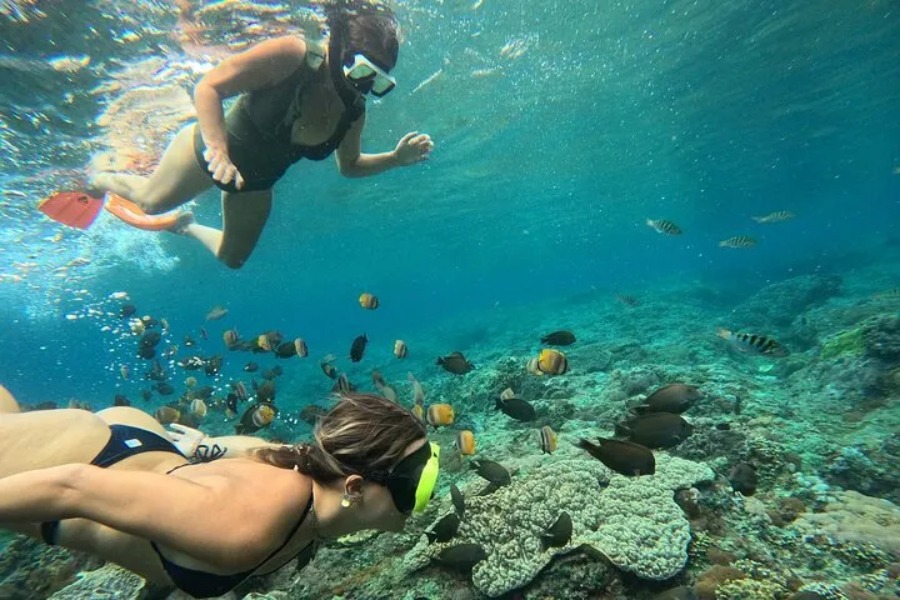
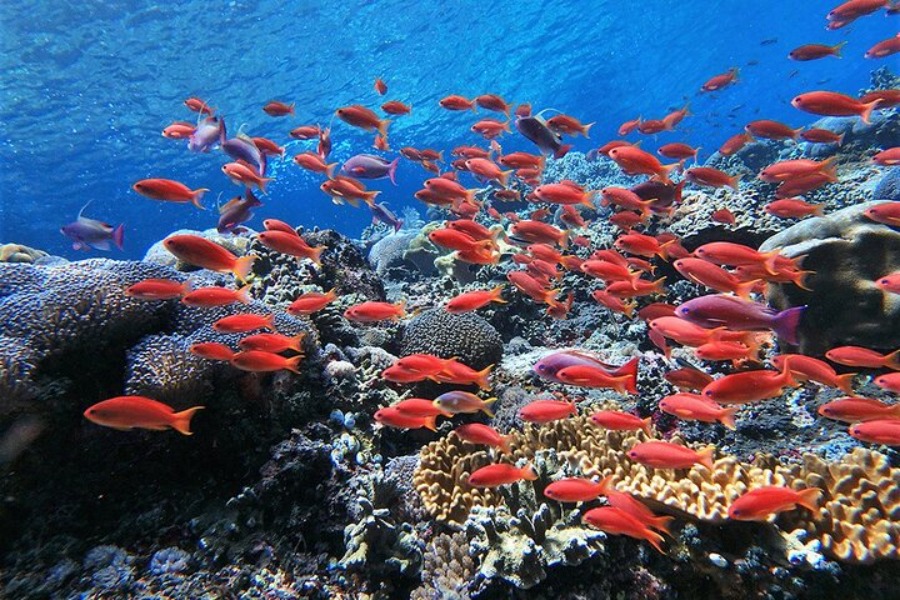
The island’s strategic location within the Coral Triangle makes it home to one of the highest levels of marine biodiversity on the planet. Divers can expect to encounter colorful reef fish, sea turtles, reef sharks, manta rays, nudibranchs, octopuses, and even the elusive mola mola during the right season. Combined with warm tropical waters, professional dive centers, and excellent accessibility, it’s easy to understand why thousands of divers visit the island every single year.
Unlike many dive destinations that specialize in only one type of diving, Bali offers a complete package. You can explore coral gardens in the morning, swim through an iconic shipwreck in the afternoon, and experience exhilarating drift dives the following day. Every region around the island has its own underwater personality, giving divers endless opportunities to discover something new.
This comprehensive guide covers everything you need to know about the best diving in Bali, including the top dive sites, marine life, best seasons, certification requirements, safety tips, and practical advice to help you plan an unforgettable diving holiday — including how to book your trip with a trusted local operator like Nusablu.
Why Bali Offers World-Class Diving
Bali stands out because it combines incredible biodiversity with excellent tourism infrastructure. The island is served by numerous professional dive operators offering internationally recognized certifications, guided fun dives, equipment rental, and customized dive packages.
Another major advantage is the diversity of dive environments. Within only a few hours of travel, divers can experience volcanic reefs, coral gardens, steep walls, macro diving, drift diving, and one of the world’s most famous shipwrecks.
Some reasons why divers consistently rate this island so highly include:
- Suitable for beginners and experienced divers
- Warm tropical water throughout most of the year
- Diverse marine ecosystems
- World-famous dive sites
- High-quality dive schools
- Easy access from Ngurah Rai International Airport
- Excellent visibility during the dry season
- Affordable diving compared to many international destinations
Plan your trip with Nusablu: If you’re looking for a reliable local partner to help you explore the island’s top dive sites, Nusablu offers guided diving and snorkeling trips, complete with certified instructors, quality equipment, and small group sizes for a more personal experience underwater.
Top Dive Sites for the Best Diving in Bali
Tulamben – Home of the USAT Liberty Shipwreck
Tulamben is arguably Bali’s most iconic diving destination and a must-visit for anyone chasing the best diving in Bali. Located on the northeast coast, it is famous for the USAT Liberty Shipwreck, one of the easiest and most accessible wreck dives in the world. The wreck lies only a short swim from the shoreline, making it suitable even for Open Water divers.
Over decades, the wreck has transformed into a thriving artificial reef covered with colorful corals, sea fans, sponges, and marine life. Divers frequently encounter schools of jackfish, barracudas, giant trevallies, moray eels, leaf scorpionfish, pygmy seahorses, and sea turtles.
Night diving at Tulamben is equally spectacular, revealing fascinating nocturnal creatures such as octopuses, decorator crabs, Spanish dancers, and hunting lionfish.
Nusa Penida – The Home of Manta Rays
Located southeast of Bali, Nusa Penida has become internationally famous for its incredible pelagic encounters. The island offers dramatic underwater cliffs, healthy coral reefs, and nutrient-rich currents that attract large marine animals.
The highlight for many divers is Manta Point, where manta rays visit cleaning stations throughout the year. These graceful giants can have wingspans exceeding five meters, offering unforgettable encounters for underwater photographers and marine enthusiasts.
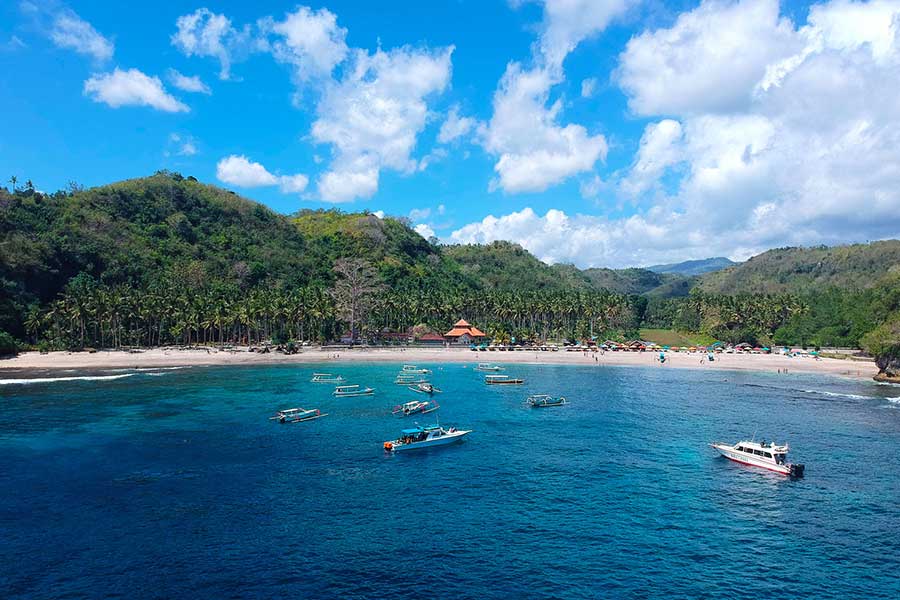
Another famous site is Crystal Bay, particularly between July and October when mola mola, also known as ocean sunfish, migrate to deeper reefs around Bali. Seeing one of these giant fish is considered a bucket-list experience for many divers.
Strong currents make some dive sites more suitable for intermediate and advanced divers, although several calmer locations remain suitable for beginners.
Amed – Relaxed Diving with Beautiful Coral Reefs
Amed is a peaceful coastal village known for its relaxed atmosphere and excellent shore diving. Compared to busier destinations, Amed provides a more laid-back experience while still delivering healthy coral reefs and abundant marine biodiversity.
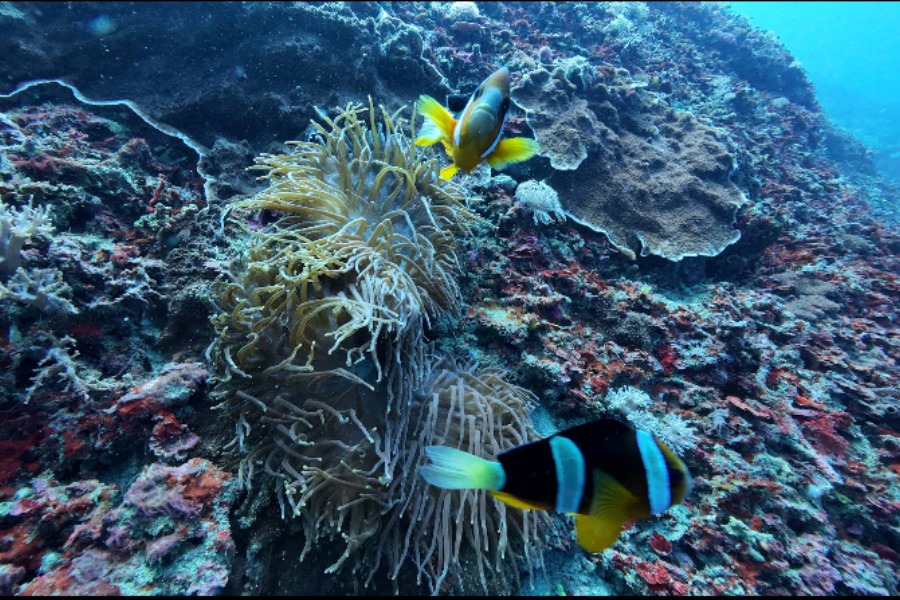
Divers can explore coral slopes filled with butterflyfish, angelfish, clownfish, triggerfish, and turtles. Macro photographers also appreciate Amed’s sandy slopes, where nudibranchs, ghost pipefish, frogfish, and various shrimps can often be found.
Because currents are generally mild, Amed is an excellent choice for beginner divers and underwater photography.
Padang Bai – Excellent Diversity for Every Diver
Padang Bai offers several different dive sites within a short boat ride, making it an excellent destination for divers wanting variety in a single day.
Blue Lagoon features calm water and colorful coral gardens ideal for beginners. Jepun provides artificial reefs covered in marine life, while Ferry Channel occasionally rewards divers with sightings of reef sharks, turtles, and larger pelagic species.
Padang Bai also serves as one of the main departure points for diving around Nusa Penida.
Menjangan Island – Bali’s Hidden Diving Paradise
Located within West Bali National Park, Menjangan Island is famous for crystal-clear visibility and spectacular wall diving.
The island’s steep walls are decorated with vibrant soft corals, massive sea fans, barrel sponges, and healthy hard coral formations. Visibility often exceeds 30 meters, making Menjangan one of Bali’s best destinations for underwater photography.
The calm conditions also make it suitable for beginner divers who want to experience wall diving without challenging currents.
Comparison of Bali’s Best Dive Sites
| Dive Site | Best For | Difficulty | Highlights |
| Tulamben | Wreck diving | Beginner–Advanced | USAT Liberty Shipwreck |
| Nusa Penida | Manta rays & Mola Mola | Intermediate–Advanced | Drift dives, pelagic species |
| Amed | Reef diving | Beginner | Coral gardens, macro life |
| Padang Bai | Variety | Beginner–Intermediate | Blue Lagoon, Ferry Channel |
| Menjangan Island | Wall diving | Beginner–Intermediate | Excellent visibility |
Marine Life You Can Expect to See
One of the biggest reasons divers travel to Bali is its incredible marine biodiversity. The island’s reefs support hundreds of species of tropical fish and countless invertebrates.
Depending on location and season, divers may encounter manta rays gliding effortlessly through cleaning stations, turtles resting on coral bommies, reef sharks cruising the deeper reefs, schools of barracudas hunting in open water, and giant trevallies patrolling reef edges.
Macro enthusiasts can spend entire dives searching for tiny creatures hidden among corals and sand. Bali is renowned for nudibranchs, frogfish, ghost pipefish, pygmy seahorses, mantis shrimps, and rare crustaceans that delight underwater photographers.
During the mola mola season, experienced divers flock to deeper waters around Nusa Penida hoping to witness the world’s heaviest bony fish. These gentle giants can exceed three meters in length and provide one of Bali’s most sought-after diving experiences.
Best Time for Diving in Bali
Bali offers diving opportunities throughout the year, although different seasons bring different underwater experiences.
The dry season, from April to October, generally provides the calmest sea conditions and best visibility. This period is considered ideal for recreational diving across most regions of Bali.
Between July and October, water temperatures around Nusa Penida may become cooler due to upwellings from deeper ocean currents. While temperatures can drop significantly, these cooler waters attract the famous mola mola.
The rainy season from November to March usually brings warmer water and excellent macro diving opportunities. Visibility may occasionally decrease after heavy rainfall, particularly near river mouths, but many dive sites remain enjoyable.
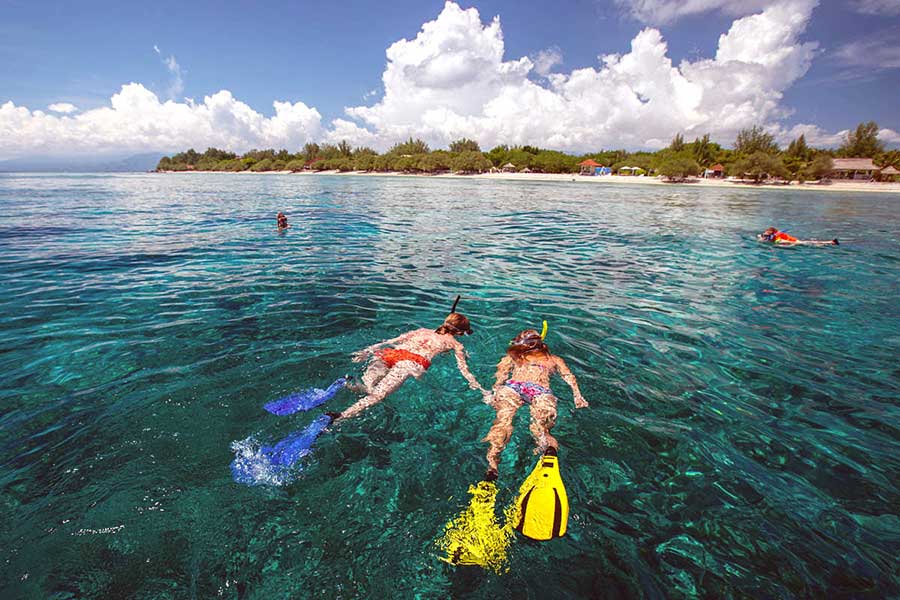
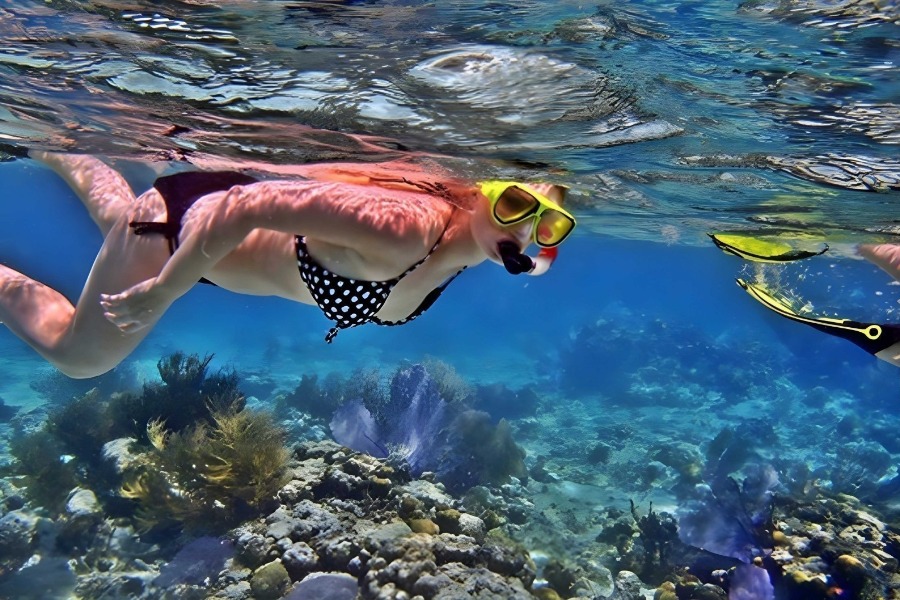
Dive with Nusablu year-round: No matter which season you visit, Nusablu can help you choose the right dive sites and match you with the best conditions for your travel dates — whether you’re chasing manta rays, mola mola, or calm reefs perfect for snorkeling.
Who Can Dive in Bali?
Bali welcomes divers of every experience level. Many dive centers offer introductory Discover Scuba Diving programs for complete beginners who have never used scuba equipment before.
Certified divers can enjoy guided dives suited to their certification level, while advanced divers can participate in drift dives, deep dives, wreck dives, and specialty courses.
Popular certification options include:
- Discover Scuba Diving
- Open Water Diver
- Advanced Open Water Diver
- Rescue Diver
- Divemaster training
Professional instructors ensure proper safety procedures, equipment checks, and dive planning before every dive.
Diving Safety Tips
Safe diving always begins with choosing a reputable dive operator that follows international standards and maintains well-serviced equipment.
Before entering the water, divers should carefully attend the dive briefing, understand hand signals, and review emergency procedures. Good buoyancy control protects both the diver and the delicate coral reefs.
Remember these essential safety practices:
- Never dive beyond your certification level.
- Stay close to your dive guide.
- Monitor your air supply regularly.
- Ascend slowly and perform safety stops.
- Stay hydrated throughout the day.
- Avoid flying immediately after diving.
- Respect marine life and never touch coral.
Following these simple guidelines helps ensure a safe and enjoyable diving experience while protecting Bali’s fragile marine ecosystem.
How to Choose the Best Dive Center in Bali
Selecting the right dive operator significantly affects your overall experience. While Bali has many professional dive centers, it is important to choose one that prioritizes safety, environmental responsibility, and personalized service.
Look for operators with certified instructors, well-maintained equipment, small group sizes, transparent pricing, and positive customer reviews. Smaller dive groups often provide a more relaxed experience and allow guides to offer more individual attention underwater.
Many operators also contribute to marine conservation through reef cleanups, coral restoration projects, and environmentally friendly diving practices. Supporting these businesses helps preserve Bali’s underwater beauty for future generations.
Nusablu is one such operator, offering both diving and snorkeling trips for all experience levels. From beginner-friendly reef dives to guided trips to Manta Point and the USAT Liberty Shipwreck, Nusablu’s team can help you explore Bali’s underwater world while following responsible, reef-safe practices.
Tips for Planning Your Bali Diving Trip
Planning ahead allows you to maximize your diving holiday while experiencing several of Bali’s unique underwater environments.
If you have limited time, consider staying in different regions of Bali to reduce travel times between dive sites. Divers interested in wrecks should spend time in Tulamben, while those hoping to encounter manta rays and mola mola should prioritize Nusa Penida.
Booking dive packages in advance can often provide better value than individual dives, especially if you plan multiple diving days. This is where working with a local operator like Nusablu can make a real difference — their team can help you build an itinerary based on your certification level, travel dates, and interests, whether you want to dive or simply try snorkeling.
Don’t forget to bring a swimsuit, reef-safe sunscreen, towel, certification card, logbook, and waterproof camera if you enjoy underwater photography.
Ready to Experience the Best Diving in Bali? Try Nusablu
If you’re planning your trip and want a hassle-free way to explore Bali’s underwater world, consider booking with Nusablu. Whether you’re a certified diver chasing manta rays at Nusa Penida, a beginner wanting to try Discover Scuba Diving in Amed, or you simply want to go snorkeling over Bali’s colorful reefs, Nusablu offers guided trips with experienced local instructors, quality gear, and flexible packages tailored to your schedule. Booking with a trusted operator like Nusablu is one of the easiest ways to make sure your search for the best diving in Bali turns into an unforgettable holiday.
Conclusion
Bali truly deserves its reputation as one of the world’s finest diving destinations. From the legendary USAT Liberty Shipwreck in Tulamben to the graceful manta rays of Nusa Penida and the crystal-clear walls of Menjangan Island, every dive offers a unique adventure beneath the surface.
Whether you are taking your very first breath underwater or searching for world-class drift dives and rare marine encounters, Bali delivers unforgettable experiences throughout the year. Its incredible biodiversity, professional dive centers, accessible locations, and spectacular underwater scenery make it a destination that every diver should experience at least once.
By choosing the right season, selecting quality dive operators such as Nusablu, and respecting the marine environment, you can enjoy some of the best diving in Bali — and some of the best scuba diving anywhere in the world — while helping preserve Bali’s extraordinary underwater ecosystems.
FAQ
1. Where is the best diving in Bali?
Tulamben, Nusa Penida, Amed, Padang Bai, and Menjangan Island are considered Bali’s top diving destinations. Operators like Nusablu offer trips to all of these sites.
2. When is the best time to dive in Bali?
The dry season from April to October generally offers the best visibility and sea conditions.
3. Can beginners go scuba diving in Bali?
Yes. Many dive centers, including Nusablu, offer Discover Scuba Diving programs and beginner-friendly dive sites.
4. Where can I see manta rays in Bali?
Manta Point at Nusa Penida is the best location to dive with manta rays throughout the year.
5. When can I see mola mola in Bali?
The best chance to encounter mola mola is between July and October around Nusa Penida.