
Best Snorkeling in Bali: What Makes a Great Experience?
Discover what truly creates the best snorkeling in Bali by evaluating water conditions, marine encounters, guide quality, and personal expectations. Many travelers assume that finding top underwater moments requires visiting a specific viral beach or heavily promoted bay. However, the reality of ocean exploration is far more nuanced. A location celebrated online can easily disappoint if visited at the wrong tide, during an unexpected swell, or alongside overcrowded tour boats.
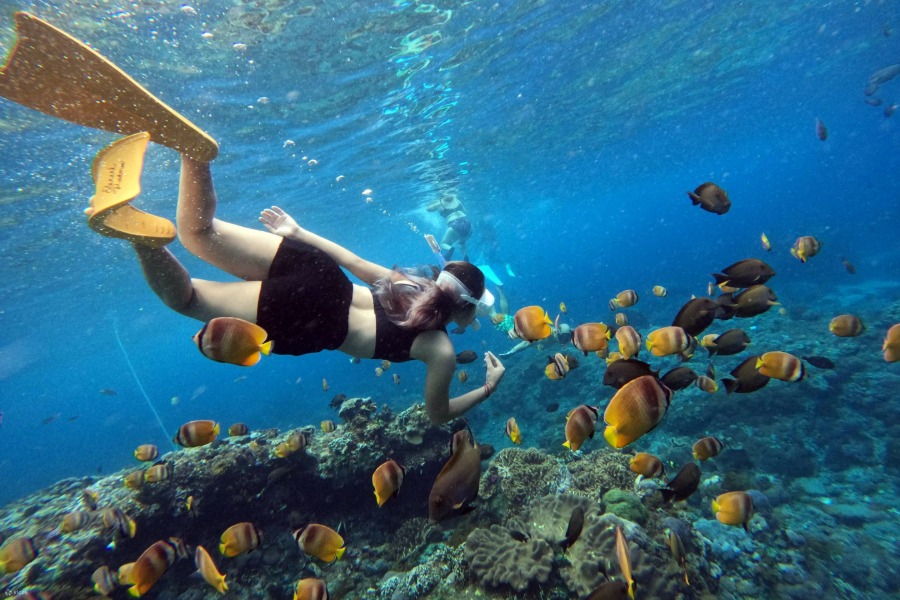
Understanding that a memorable day in the ocean depends on environmental context rather than fame changes how you plan your outing. Rather than chasing a static list of locations, focusing on the factors that shape a high-quality swim allows you to choose an experience tailored to your skill level, comfort, and personal interests.
The Best Snorkeling Is Not Always the Most Famous Spot
Social media algorithms frequently elevate a small handful of coastal locations into must-visit destinations. While these areas are undoubtedly scenic, popularity often brings challenges that detract from the underwater environment.
Heavy boat traffic, crowded entry points, and excessive noise can startle marine life and disturb fragile coral ecosystems. Furthermore, when dozens of swimmers concentrate in a shallow bay, kick cycles kick up bottom sediment, rapidly reducing water clarity. A quiet, lesser-known reef with pristine visibility and undisturbed wildlife routinely provides a far superior outing compared to a famous site crowded with tours. Evaluating a location based on real-time crowd levels and natural preservation yields a significantly more rewarding experience.
Water Conditions Can Make or Break Your Experience
Ocean dynamics around the island shift constantly based on tidal movement, wind directions, and seasonal swells. Evaluating local snorkeling conditions Bali offers on any given day is the single most critical factor in determining the quality of your time in the water.
A location known for vibrant soft corals can feature crystal-clear, glass-like water in the morning, only to develop strong surface chop and diminished visibility by early afternoon. Key environmental variables include:
- Tidal Cycles: High tides often bring clearer water over shallow reef tops, while low tides can make shallow corals hazardous to cross.
- Surface Swell: Heavy ocean swells create surge near shorelines, disturbing sand and making buoyancy control difficult.
- Water Clarity: Good visibility allows you to observe complex reef structures and marine behavior from a comfortable floating position.
Even the most marine-rich reef will feel disappointing if water clarity is poor or if moving water forces you to fight against the sea.
What Do You Actually Want to See Underwater?
“Best” is a subjective term that depends entirely on what you hope to observe. Every marine habitat offers distinct characteristics, and matching a location to your specific interests ensures your expectations align with reality.
Some travelers prioritize floating above shallow, sunlit coral gardens teeming with colorful reef fish, sea anemones, and damselfish. Others seek dramatic drop-offs, deep walls, or black sand slopes where cryptic species like octopus and nudibranchs hide. Defining your personal preferences helps narrow down the ideal environment:
- Coral & Fish Density: Vibrant shallow reefs packed with schooling species offer continuous visual stimulation.
- Turtles & Megafauna: Coastal grass beds and specific reef points attract foraging hawksbill and green sea turtles.
- Topography: Underwater arches, rocky boulders, and deep reef walls create dramatic visual backdrops.
Clarifying what you wish to see prevents the disappointment of visiting a site designed for deep wall exploration when your goal was quiet coral watching.
Calm Water vs. Drift Snorkeling
Your physical comfort and swimming confidence dictate whether you should seek protected, still water or a dynamic drift environment.
Calm bays offer a predictable, low-stress setting where you can float effortlessly, adjust your mask, and observe shallow marine life at a deliberate pace. This style of swim is ideal for anyone who prefers maintaining complete control over their movement and direction.
Conversely, drift snorkeling Bali provides an exhilarating experience where you allow moving ocean currents to carry you gently along a reef slope or wall. Instead of swimming forward, you simply maintain neutral horizontal flotation while the underwater landscape passes beneath you. While drift swims cover greater distances and frequently showcase larger ocean life, they require stronger water confidence, strict adherence to safety briefings, and active boat tracking overhead. Choosing the environment that aligns with your physical comfort ensures you stay relaxed throughout the swim.
Why a Local Guide Can Change the Experience
Attempting to navigate coastal waters independently often means missing the subtle details that make a swim extraordinary. Partnering with professional guides who possess deep local knowledge dramatically elevates both safety and enjoyment.
Experienced guides understand micro-currents, daily tide shifts, and where specific marine species feed or shelter throughout the day. Rather than swimming aimlessly across a wide reef, a guide knows precisely which coral head hosts a resident porcelain crab or where a sea turtle typically rests during an incoming tide. Furthermore, active surface supervision provides peace of mind, allowing you to focus entirely on the marine environment while your boat crew monitors surface conditions. Operations like NusaBlu prioritize small group sizes and experienced local leadership, ensuring every participant receives personal attention tailored to their swimming capability.
Look Beyond Manta Rays
While manta ray snorkeling Bali is widely sought after, building an entire trip around a single pelagic species can lead to narrow expectations. Marine animals roam freely across vast oceanic channels, and their presence depends heavily on plankton shifts, water temperature, and seasonal currents.
Focusing exclusively on large species causes many visitors to overlook the extraordinary complexity of the surrounding reef systems. Observing cleaning stations—where small wrasse remove parasites from larger fish—watching territorial clownfish defend their anemones, or spotting a well-camouflaged octopus shifting colors across a rock face offers equal, if not greater, marine insight. Approaching the ocean with broad curiosity ensures that every entry yields fascinating discoveries, regardless of whether pelagic animals appear.
Snorkeling for the Experience, Not Just the Photos
In an era dominated by action cameras and underwater photography, it is easy to let capturing digital media overshadow the physical experience of being in the ocean.
Constantly holding out a camera pole or chasing an animal for a close-up photograph creates unnecessary stress for both the swimmer and the wildlife. Rapid movement burns oxygen quickly, leading to early fatigue, while crowding marine life often causes animals to retreat into deeper water. Practicing responsible snorkeling Bali means placing your personal presence first. Floating quietly with your arms relaxed by your sides allows marine creatures to continue their natural behaviors undisturbed, leading to longer, closer, and far more meaningful encounters.
What Makes a Snorkeling Trip Worth Remembering?
Ultimately, a great day on the water is not defined by checking off a viral destination or securing a specific camera shot. It is measured by how comfortable, safe, and connected you feel within the marine ecosystem.
A truly memorable snorkeling trip combines several core elements:
- Safety & Support: Professional surface oversight and well-maintained equipment that eliminate distraction.
- Appropriate Conditions: Selecting waters matched to your physical capability on that specific day.
- Environmental Respect: Swimming without touching corals, crowding wildlife, or leaving marine debris behind.
- Patience: Allowing the underwater world to unfold naturally around you without rushing.
When these factors align, even a modest swim over a shallow coral patch becomes a highlight of your travels.
Finding Your Ideal Marine Experience
A truly great snorkeling experience happens when ocean conditions, professional guidance, and personal expectations come together naturally. By moving away from fixed lists of viral spots and focusing instead on water clarity, small group dynamics, and respectful wildlife observation, you ensure every entry into the ocean is both safe and rewarding. If you are seeking thoughtfully guided ocean adventures led by local experts who prioritize safety, comfort, and marine conservation, explore your options with NusaBlu to plan an underwater outing tailored to your preferences.
Frequently Asked Questions
How do daily water conditions affect what is considered the best snorkeling in Bali?
Water conditions dictate visibility, swell height, and current strength. A site celebrated for rich marine life may offer poor visibility or uncomfortable surface chop depending on the tide and wind, making real-time condition assessment essential for a good experience.
Is a famous snorkeling spot always better than a quiet local reef?
Not necessarily. Famous spots frequently experience high visitor volume, boat traffic, and disturbed sediment. Quiet, less-frequented reefs often provide clearer water, healthier coral cover, and far less stressed marine life.
How do I know whether calm bay snorkeling or drift snorkeling is right for me?
Calm bay snorkeling is best if you prefer a slow pace, shallow entry, and total control over your movement. Drift snorkeling suits confident swimmers who enjoy moving naturally alongside ocean currents over deeper reef slopes.
What role does a guide play in turning a standard swim into a great snorkeling trip?
Local guides monitor surface conditions, manage safety, navigate currents, and know where to locate camouflaged or shelter-seeking marine life that unguided visitors easily swim past.
Should I plan my snorkeling trip entirely around seeing manta rays?
It is best to maintain broad expectations. While pelagic encounters are remarkable, marine life moves freely based on plankton and currents. Enjoying the broader reef ecosystem ensures a rewarding trip regardless of pelagic sightings.
How can I ensure my snorkeling experience remains safe and enjoyable without feeling rushed?
Choose small-group tours, listen carefully to pre-dive safety briefings, stay within your physical comfort zone, and focus on slow, relaxed observation rather than trying to cover vast distances.