Diving Courses in Bali: The Complete Guide to Learning Scuba Diving in Paradise
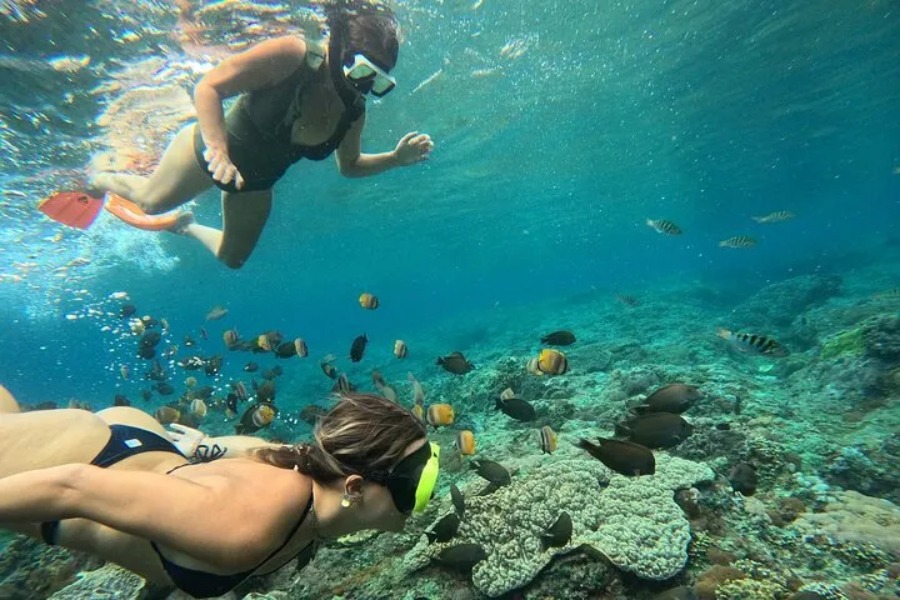
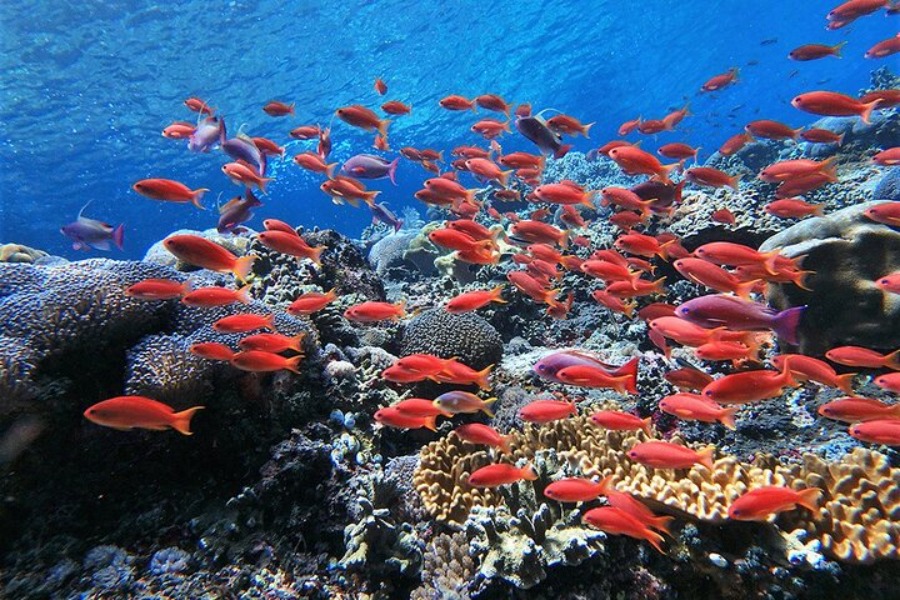
Bali has earned a global reputation as one of the best diving destinations in the world. While many travelers visit the island to admire its beaches, temples, and rice terraces, thousands also come to experience its vibrant underwater world. For beginners and experienced divers alike, enrolling in diving courses in Bali offers the perfect opportunity to gain internationally recognized certifications while exploring breathtaking coral reefs, historic shipwrecks, and diverse marine life.
Whether your goal is to try scuba diving for the first time, earn an Open Water Diver certification, or continue toward advanced diving qualifications, Bali provides exceptional learning conditions. Warm tropical waters, excellent visibility for most of the year, affordable course prices, and professional instructors make the island an ideal classroom beneath the surface.
In this guide, you’ll discover everything you need to know about scuba certification on the island, including certification levels, course requirements, costs, popular dive locations, what to expect during training, and tips for choosing the right dive center — including why more travelers are turning to local operators like Nusablu for their training.
Why Choose Diving Courses in Bali?
Learning to dive is an exciting milestone, and the location where you complete your certification can significantly influence your overall experience. Bali combines world-class diving conditions with high-quality dive schools that welcome students from around the globe, which is exactly why the island continues to attract aspiring divers year after year.
The island offers a wide range of underwater environments suitable for different experience levels, which is exactly why so many divers choose to train here. Calm lagoons provide safe training conditions for beginners, while advanced divers can later explore drift dives, deep reefs, volcanic walls, and famous shipwrecks. This variety allows divers to continue developing their skills without leaving the island.
Another advantage is Bali’s tropical climate. Water temperatures generally range from 26°C to 29°C in most areas, making training comfortable throughout the year. Visibility often reaches 20 to 30 meters, allowing students to build confidence in clear water while practicing essential diving skills.
Most dive centers in Bali also follow internationally recognized training standards, ensuring that certifications earned locally are accepted worldwide.
Types of Diving Courses Available in Bali
Bali offers diving courses for every experience level, from complete beginners to professional dive leaders.
Discover Scuba Diving
Discover Scuba Diving is designed for individuals who have never tried scuba diving before. It allows participants to experience breathing underwater under the direct supervision of a certified instructor without earning a certification.
This introductory program typically includes:
- Basic diving theory
- Equipment introduction
- Shallow water practice
- One or two guided dives
Many travelers choose this option before deciding to continue with a certification course.
Open Water Diver Course
The Open Water Diver course is the world’s most popular scuba certification program. It teaches the essential knowledge and practical skills needed to dive independently with a certified buddy.
Students learn about:
- Diving equipment
- Underwater communication
- Buoyancy control
- Dive planning
- Safety procedures
- Emergency management
After successfully completing the course, divers can explore dive sites around the world to a maximum depth of 18 meters.
Advanced Open Water Diver
Once certified, many divers continue with the Advanced Open Water Diver course to improve their confidence and gain experience in different diving specialties.
Typical adventure dives include:
- Deep diving
- Underwater navigation
- Drift diving
- Night diving
- Peak performance buoyancy
This course expands both skills and underwater confidence.
Rescue Diver Course
The Rescue Diver course focuses on accident prevention, self-rescue techniques, and assisting other divers during emergencies.
Students develop:
- Risk assessment
- Stress recognition
- Rescue scenarios
- Emergency response
- Surface rescue skills
Many divers consider this course one of the most rewarding because it builds both competence and confidence.
Divemaster Program
For those interested in turning their passion into a profession, the Divemaster program is the first step toward becoming a professional diver.
Training includes leadership skills, dive supervision, guiding certified divers, and assisting instructors during courses.
Graduates can work with dive centers around the world after meeting certification requirements.
Course Comparison
| Course | Experience Required | Typical Duration | Maximum Depth |
| Discover Scuba Diving | None | Half day | 12 meters |
| Open Water Diver | None | 3–4 days | 18 meters |
| Advanced Open Water | Open Water Certification | 2 days | 30 meters |
| Rescue Diver | Advanced Certification | 3–4 days | According to certification |
| Divemaster | Rescue Diver + Experience | Several weeks | Professional level |
Best Places to Learn Diving in Bali
Choosing the right dive location plays an important role in your learning experience. Bali offers several excellent training destinations.
Sanur
Sanur serves as a convenient departure point for many diving courses. Calm coastal conditions and easy access make it suitable for beginners starting confined water sessions before heading to nearby dive sites.
Tulamben
Tulamben is one of Bali’s most famous dive destinations and an excellent location for training. The gentle entry from the beach eliminates the need for boats, making it ideal for students learning basic skills.
The famous USAT Liberty Shipwreck provides an unforgettable environment for certification dives while remaining accessible to relatively new divers.
Amed
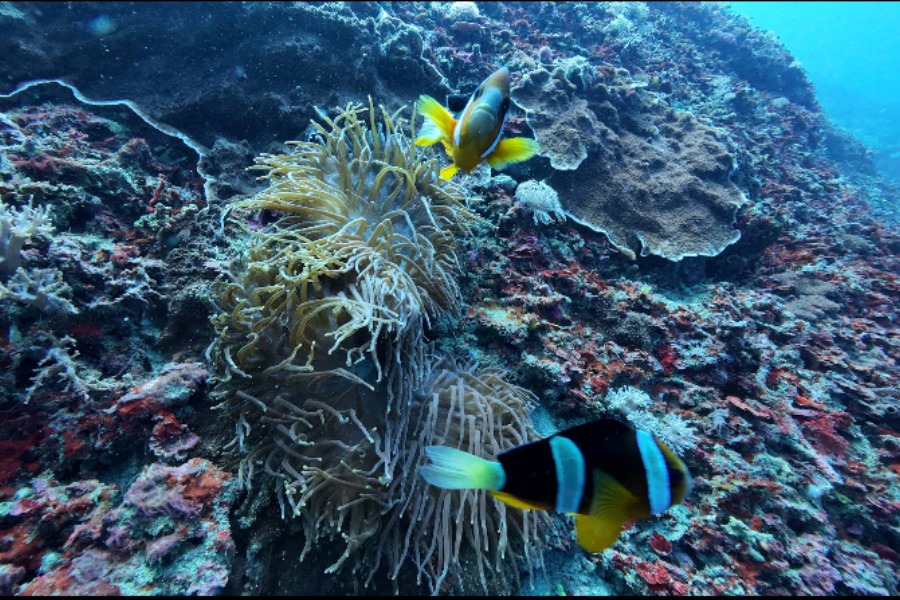
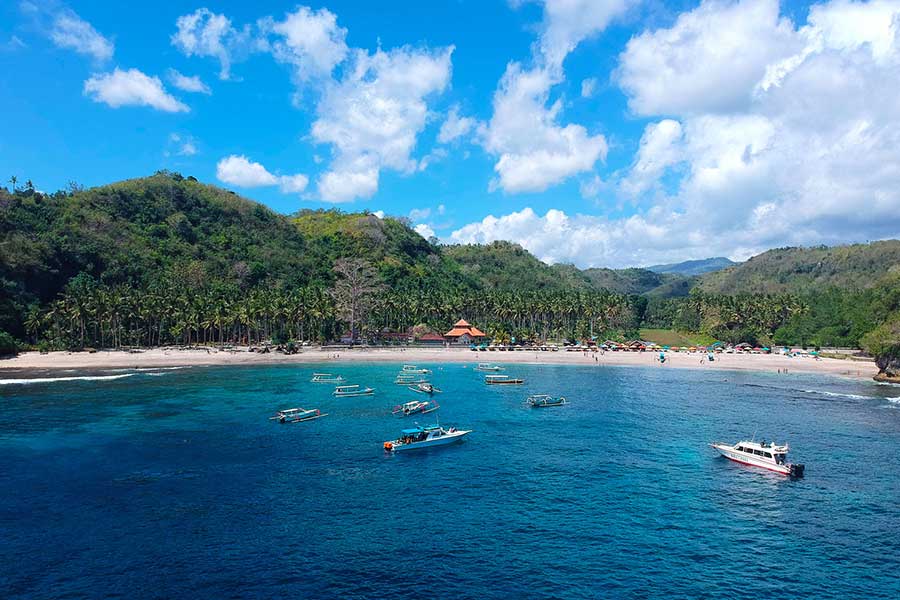
Amed offers calm bays, colorful coral gardens, and excellent visibility. The relaxed atmosphere makes it a favorite destination for students who prefer less crowded dive sites.
Many instructors recommend Amed because conditions are generally beginner-friendly while still offering beautiful marine biodiversity.
Nusa Penida
Nusa Penida features spectacular underwater scenery but is generally more suitable for experienced divers due to stronger currents.
Advanced courses often include dives at famous locations where participants may encounter:
- Manta rays
- Sea turtles
- Reef sharks
- Large schools of tropical fish
- Mola-mola during the appropriate season
What You Learn During Diving Courses
A diving certification involves much more than simply learning to breathe underwater. Students gradually develop the knowledge and confidence needed for safe recreational diving.
Training usually covers three major components:
Knowledge Development — Students learn diving theory through classroom sessions or online learning. Topics include pressure, buoyancy, dive planning, equipment, marine awareness, and safety procedures.
Confined Water Training — Confined water sessions allow students to practice essential skills in a controlled environment before entering open water. Skills include mask clearing, regulator recovery, buoyancy control, emergency ascent procedures, and underwater communication.
Open Water Dives — The final stage involves completing supervised dives in the ocean where students demonstrate the skills they have practiced during training. These dives also provide the excitement of exploring Bali’s underwater world while earning certification.
Equipment Used During Diving Courses
Most dive centers provide all necessary equipment as part of the course package.
Typical equipment includes:
- Scuba tank
- Buoyancy Control Device (BCD)
- Regulator
- Wetsuit
- Dive mask
- Snorkel
- Fins
- Weight system
- Dive computer (at many centers)
Students generally only need to bring swimwear, sunscreen, towels, and personal belongings.
How Long Does a Diving Course Take?
Course duration depends on the certification level and the student’s schedule.
Most beginner certifications can be completed within three to four days. This flexible timeline allows visitors to combine diving education with sightseeing and other activities during their Bali vacation.
Advanced certifications generally require fewer days because participants already possess fundamental diving knowledge.
Professional-level programs may take several weeks depending on the number of required dives and practical assessments.
How Much Do Diving Courses in Bali Cost?
Bali is widely recognized as one of the most affordable places to earn internationally recognized scuba certifications.
Prices typically vary depending on:
- Certification agency
- Dive center reputation
- Number of included dives
- Equipment rental
- Transportation
- Learning materials
- Accommodation packages
Although lower prices may seem attractive, choosing a reputable dive center with experienced instructors and quality equipment is often the better investment for safety and long-term diving skills.
Safety Tips for Student Divers
Safety remains the highest priority throughout every diving course.
Students should always:
- Listen carefully to instructor briefings.
- Never hold their breath underwater.
- Equalize ear pressure frequently during descent.
- Dive within certification limits.
- Maintain good buoyancy control.
- Stay close to their instructor.
- Monitor remaining air supply regularly.
- Avoid flying immediately after diving.
- Stay hydrated before and after dives.
- Never dive when feeling ill or excessively tired.
Following these guidelines helps create enjoyable and safe diving experiences.
Choosing the Right Dive Center in Bali
Not every dive center provides the same level of service. Taking time to compare options can greatly improve your learning experience.
Look for dive centers that offer:
- Certified and experienced instructors
- Small student-to-instructor ratios
- Well-maintained equipment
- Positive customer reviews
- Transparent pricing
- Comprehensive safety standards
- Modern learning materials
- Flexible course schedules
- Environmental awareness
- Excellent customer support
A professional dive center should prioritize education, safety, and comfort throughout every stage of your training.
Why Nusablu Is a Great Choice for Your Bali Diving Experience
If you’re comparing options for diving courses in Bali, Nusablu is worth putting on your shortlist. Nusablu is a Bali-based dive and snorkeling operator that focuses on giving both first-timers and certified divers a relaxed, safe, and well-guided experience in the water.
What makes Nusablu stand out among local dive operators:
- Beginner-friendly approach — Nusablu’s instructors take time to build comfort in the water before moving on to open water skills, which is ideal for anyone trying Discover Scuba Diving for the first time.
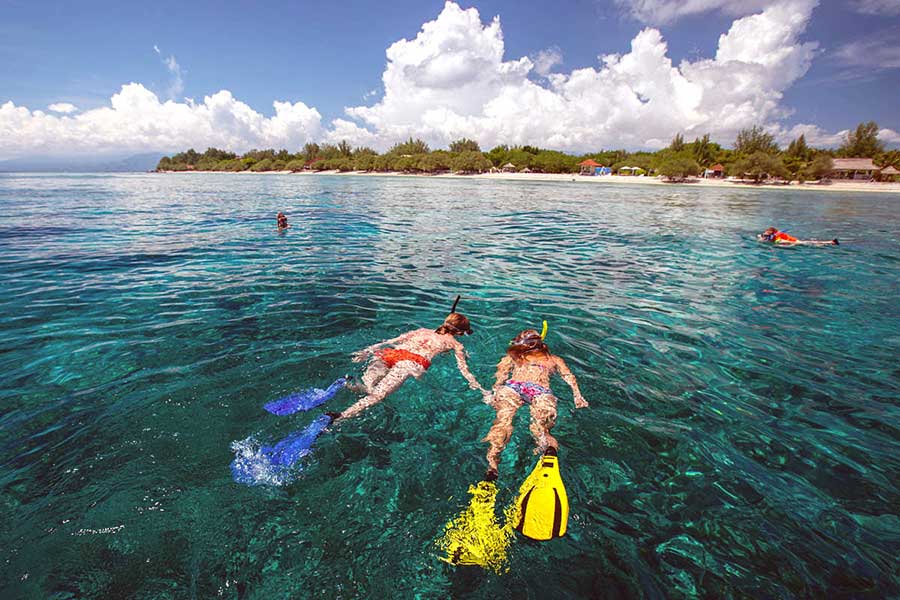
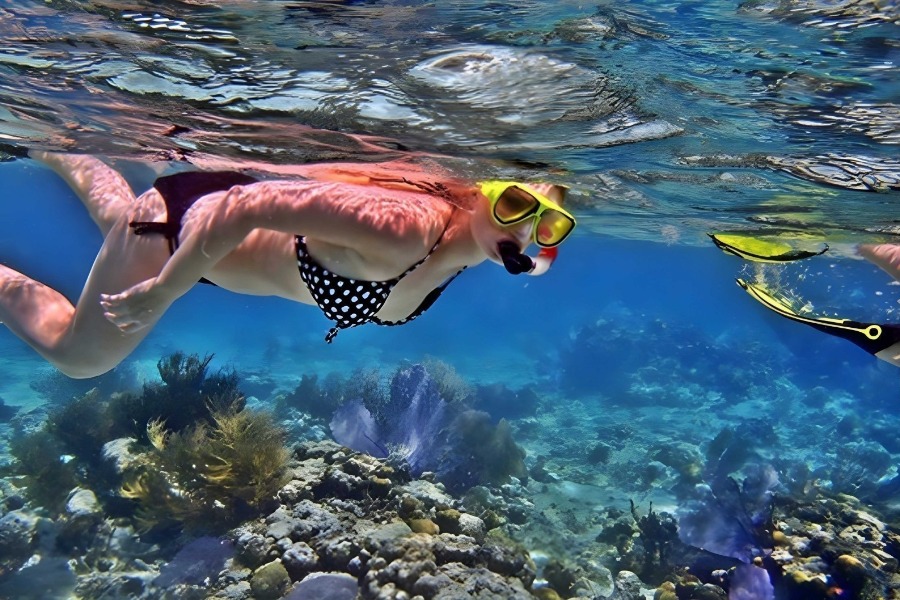
- Flexible options for every level — Whether you want a light snorkeling trip to see coral gardens or a full Open Water certification, Nusablu can tailor the experience to your goals and schedule.
- Well-maintained equipment — Wetsuits, masks, BCDs, and regulators are checked and serviced regularly, which matters a great deal when you’re learning underwater skills for the first time.
- Local knowledge of Bali’s best dive spots — From calm bays suitable for training to more exciting sites for confident swimmers, Nusablu’s team knows where conditions will suit your experience level on any given day.
- A relaxed, low-pressure atmosphere — Small groups and patient instructors make it easier to build confidence, whether you’re snorkeling for the first time or working toward a certification.
If you’re planning your trip, trying a dive or snorkeling session with Nusablu is a great way to get a feel for the underwater world before committing to a full certification — or to simply enjoy the reefs if diving isn’t your main goal. Ready to get in the water? Book a diving or snorkeling trip with Nusablu and experience Bali’s marine life firsthand.
Best Time to Take Diving Courses in Bali
Diving courses are available year-round, but weather and sea conditions can influence visibility and comfort.
The dry season, generally from April to October, often provides calmer seas and clearer water, making it a popular period for beginner certifications.
The rainy season still offers excellent diving opportunities in many locations, particularly on Bali’s northeast coast where conditions frequently remain favorable.
Because different regions experience varying weather patterns, instructors often select dive sites that offer the safest and most enjoyable conditions on any given day.
Benefits of Becoming a Certified Diver
Completing a scuba certification opens the door to underwater adventures around the world.
Certified divers enjoy several advantages:
- Access to thousands of global dive sites
- Ability to rent scuba equipment
- Participation in guided dive trips
- Greater underwater confidence
- Improved marine life knowledge
- Opportunities for advanced certifications
- Potential career pathways in diving
- Lifelong adventure opportunities
Many divers describe certification as the beginning of a lifelong passion rather than simply another vacation activity.
Environmental Responsibility During Diving
Learning to dive also includes learning how to protect the ocean. Responsible divers help preserve marine ecosystems for future generations.
Good environmental practices include maintaining proper buoyancy, avoiding contact with coral reefs, never chasing marine animals, reducing plastic waste, and respecting local conservation rules.
Many dive centers in Bali, including Nusablu, actively participate in reef conservation programs, underwater cleanups, and marine education initiatives, giving students opportunities to contribute to ocean protection while enjoying their training.
Conclusion
Enrolling in diving courses in Bali is one of the most rewarding ways to experience the island’s extraordinary marine environment. From beginner-friendly Discover Scuba Diving experiences to professional Divemaster programs, Bali offers world-class training opportunities supported by experienced instructors, excellent dive sites, and internationally recognized certifications.
With warm tropical waters, diverse marine life, affordable pricing, and outstanding learning conditions, Bali continues to attract aspiring divers from around the globe. Whether your dream is to explore colorful coral reefs, swim alongside manta rays, or simply gain a new life skill, choosing the right dive school — such as Nusablu — provides the perfect starting point for unforgettable underwater adventures.
FAQ
1. Are diving courses in Bali suitable for complete beginners?
Yes. Most dive centers, including Nusablu, offer beginner-friendly programs, including Discover Scuba Diving and Open Water Diver courses, with no prior experience required.
2. Which diving certification can I earn in Bali?
You can earn internationally recognized certifications such as Open Water Diver, Advanced Open Water, Rescue Diver, and Divemaster.
3. How much time should I set aside for a certification course?
An Open Water Diver course usually takes 3–4 days, while advanced courses can often be completed in 2–3 days.
4. What is included in most diving course packages in Bali?
Most packages include instructor guidance, learning materials, scuba equipment, certification fees, and the required training dives.
5. What is the best time of year to learn scuba diving on the island?
The dry season from April to October generally offers the best visibility and calmer sea conditions, although diving courses are available throughout the year.