Diving Nusa Penida for Beginners and Experienced Divers
Diving Nusa Penida offers an exciting underwater experience for both beginners and experienced divers. Located southeast of Bali, Nusa Penida is surrounded by clear tropical waters, colorful coral reefs, dramatic underwater landscapes, and diverse marine life.
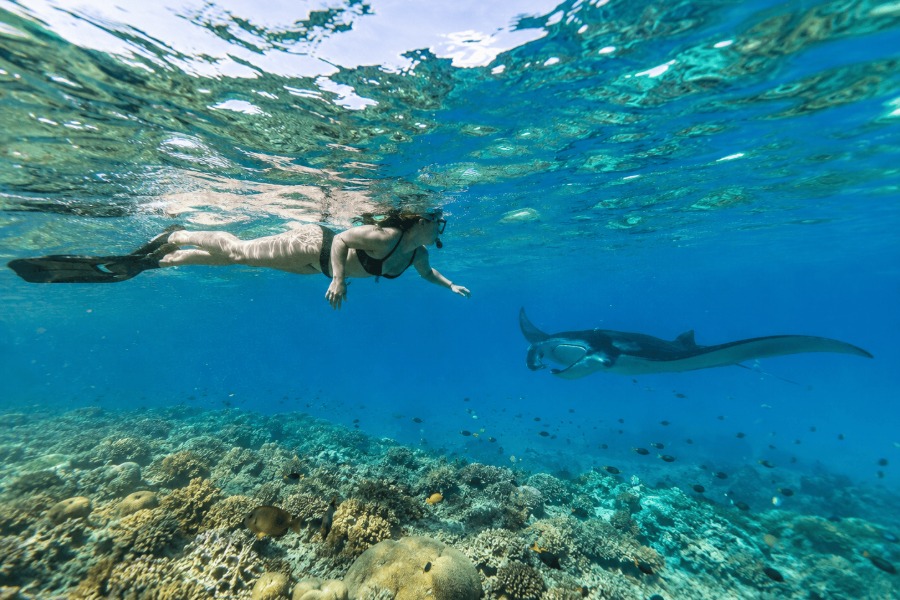
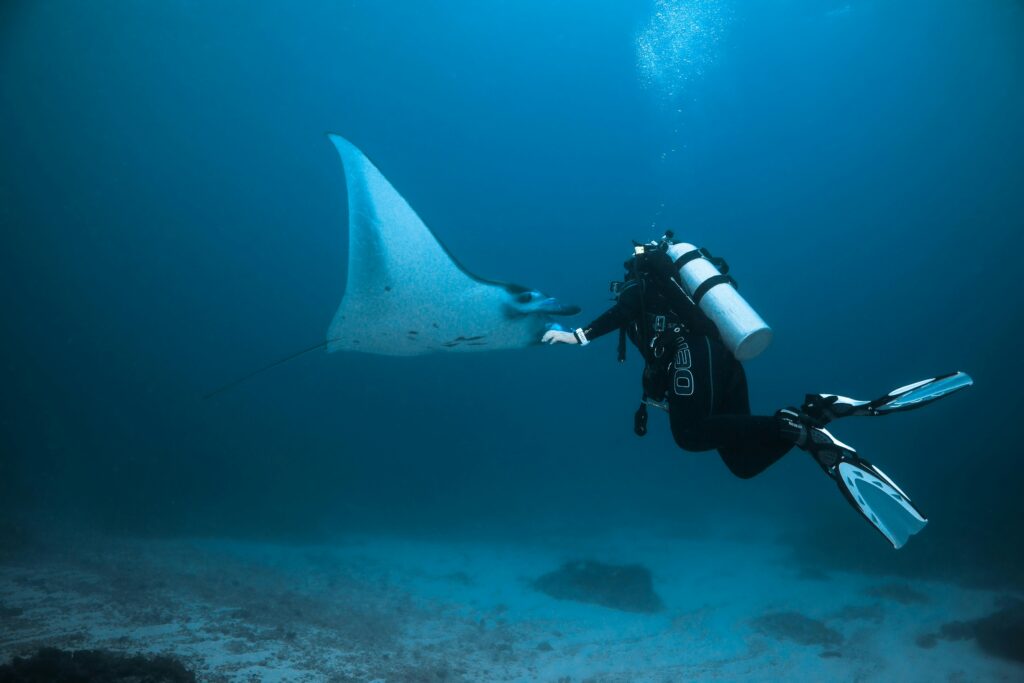
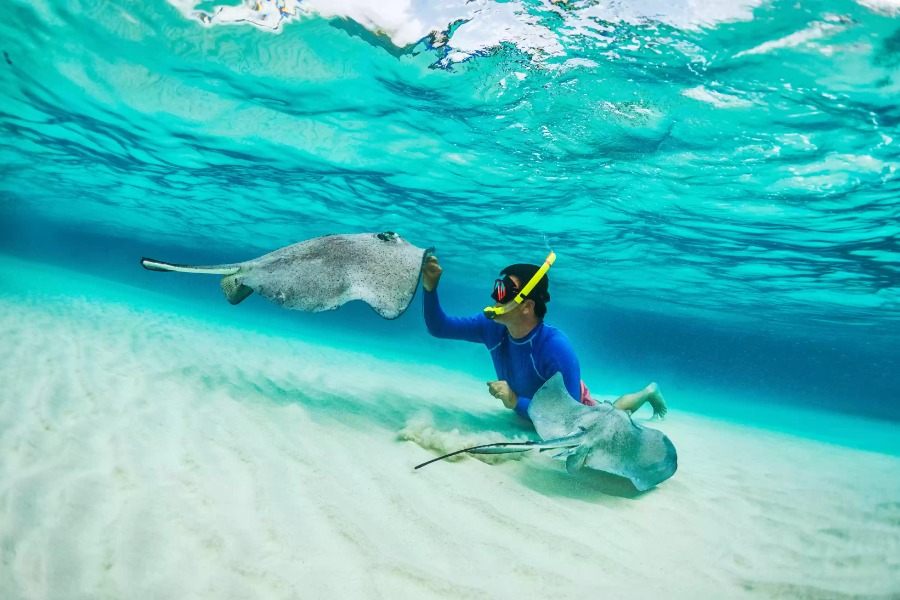
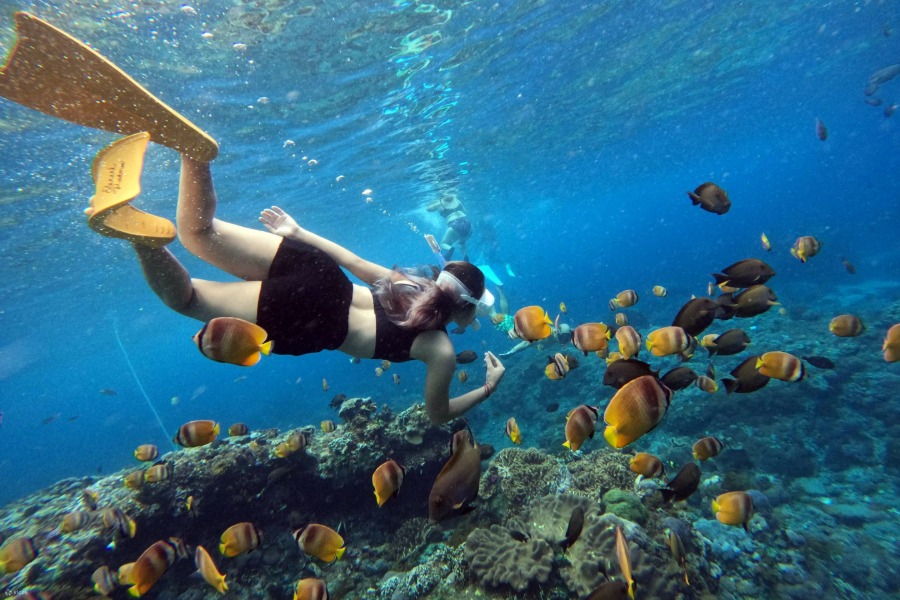
Divers may encounter manta rays, sea turtles, tropical reef fish, rays, moray eels, and seasonal Mola Mola. However, the island is also known for changing currents and different diving conditions. Therefore, choosing the right dive site is an important part of planning a safe and enjoyable trip.
Whether you are planning your first scuba diving experience or looking for new dive sites around Bali, understanding the local conditions can help you choose a diving experience that matches your ability.
What Makes Diving Nusa Penida Special?
Nusa Penida is different from many calmer diving areas around Bali because its waters are influenced by significant ocean movement. As a result, conditions can change depending on the location, weather, tides, and currents.
For experienced divers, these conditions can create exciting drift-diving opportunities. Nutrient-rich water also supports a diverse marine ecosystem.
For beginners, however, stronger currents can make some dive sites more challenging. This is why diving Nusa Penida should not be treated as a single type of diving experience.
Each dive site has different characteristics. The depth, current, visibility, water temperature, and marine life can all vary.
A professional dive center can help select a suitable location based on your certification, experience, and conditions on the day.
Marine Life You May See While Diving
One of the biggest attractions of diving Nusa Penida is its marine biodiversity.
Depending on the dive site and season, divers may encounter:
- Manta rays
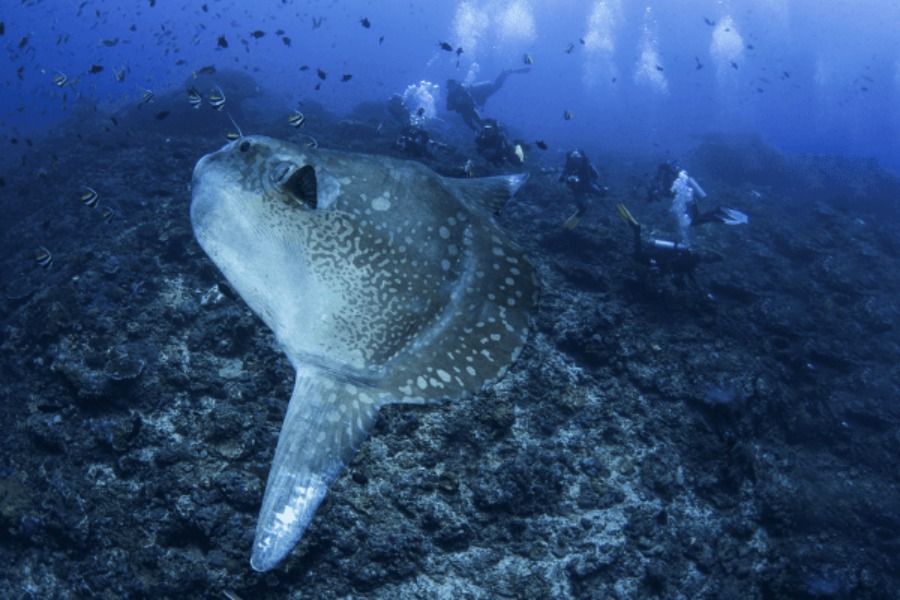
- Mola Mola
- Sea turtles
- Reef sharks
- Tropical reef fish
- Moray eels
- Eagle rays
- Stingrays
- Nudibranchs
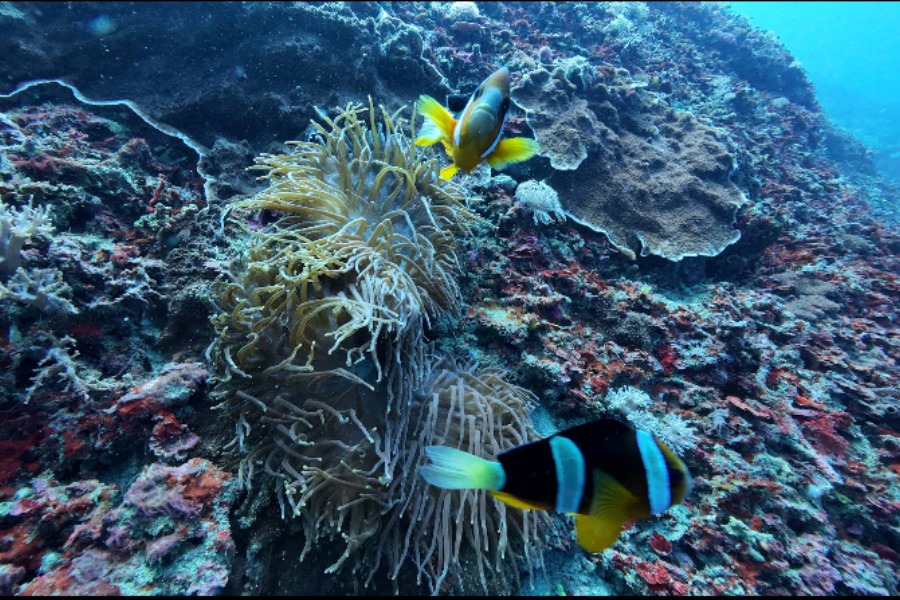
- Colorful coral
- Other macro marine life
Manta rays are particularly associated with Manta Point, while Crystal Bay is well known for seasonal Mola Mola encounters.
Other locations, including Toyapakeh and Gamat Bay, offer opportunities to explore coral reefs and observe smaller marine creatures.
However, wildlife sightings are never guaranteed. Marine animals are wild, and their behavior depends on natural conditions.
Responsible divers should maintain a respectful distance and avoid touching, chasing, feeding, or interfering with marine life.
Main Dive Sites in Nusa Penida
Nusa Penida has several well-known dive sites. Each location offers a different underwater experience.
Manta Point
Manta Point is one of the most popular dive sites around Nusa Penida for manta ray encounters.
The large rays may pass through the area while feeding or moving through the water. Seeing them underwater can be an unforgettable experience.
However, divers should avoid chasing manta rays or trying to get as close as possible. Instead, maintain a safe distance and allow the animals to move naturally.
Current conditions can also vary around the site. Therefore, divers should follow the instructions provided during the pre-dive briefing.
Crystal Bay
Crystal Bay is famous for seasonal Mola Mola encounters.
During the appropriate season, divers may have an opportunity to see these large ocean sunfish in deeper and cooler water. The site also features interesting underwater scenery and marine life.
However, Crystal Bay can involve challenging conditions. Changing currents and deeper water mean that divers need suitable experience, buoyancy control, and awareness of their surroundings.
For this reason, divers should never choose Crystal Bay simply because they want to see Mola Mola. The site should be visited when the conditions and diver experience are appropriate.
Toyapakeh
Toyapakeh is another popular location for diving Nusa Penida.
The area can offer coral scenery, tropical fish, and drift-diving opportunities. Depending on the conditions, divers may move along the reef while observing marine life.
One important point is that conditions can change from one day to another. Therefore, a dive site that feels manageable on one day may feel different on another.
A local dive guide can help assess the conditions before entering the water.
Gamat Bay
Gamat Bay is known for its coral environment and diverse marine life.
The site can be interesting for divers who enjoy underwater photography because there may be opportunities to observe both larger reef animals and smaller marine creatures.
Macro enthusiasts may also enjoy looking carefully around the reef for nudibranchs and other small species.
As with other Nusa Penida dive sites, the actual experience depends on sea conditions and the dive plan.
Is Diving Nusa Penida Suitable for Beginners?
Yes, beginners can experience scuba diving in Nusa Penida through suitable introductory programs.
Discover Scuba Diving programs are designed for people who do not yet have a diving certification. Participants normally receive basic instruction before entering the water under direct professional supervision.
However, beginners should not expect to visit every famous dive site.
Some locations can be affected by stronger currents or deeper water. A responsible dive center should choose the site according to the participant’s experience and the conditions on the day.
If you are a beginner, tell your instructor about your swimming ability, previous water experience, and comfort level.
Being honest about your experience allows the instructor to choose a more appropriate diving plan.
Diving for Experienced Divers
Experienced and certified divers can enjoy a wider range of diving opportunities around Nusa Penida.
Depending on certification, recent experience, and local conditions, experienced divers may explore deeper sites, drift-diving environments, and locations known for larger marine animals.
Nevertheless, certification does not automatically mean that every site is suitable.
Divers who have not been underwater for a long time should consider refreshing their skills before attempting more challenging conditions.
Strong buoyancy control is especially useful around coral reefs and current-influenced dive sites.
What Is a Typical Dive Day Like?
A typical diving Nusa Penida trip begins with preparation and a safety briefing.
Before entering the water, the guide or instructor may explain:
- The dive site
- Expected current conditions
- Maximum depth
- Planned route
- Entry and exit procedures
- Hand signals
- Emergency procedures
- Air and time limits
Divers then prepare their equipment and complete a buddy check.
Once underwater, divers should monitor their depth, air supply, buoyancy, and position relative to their buddy or guide.
The dive ends according to the agreed plan. Depending on the location, divers may return to the boat or exit at a designated point.
The exact schedule can vary depending on weather, sea conditions, boat operations, and the type of diving program.
Equipment for Diving Nusa Penida
A professional dive center normally provides the equipment required for the selected diving program.
Common scuba equipment includes:
- Mask
- Fins
- Regulator
- BCD
- Scuba tank
- Wetsuit
- Weights
- Dive computer
- Surface marker buoy when required
Before booking, check exactly what is included in the package.
Equipment requirements can differ between Discover Scuba Diving programs, recreational fun dives, and certification courses.
If you use your own equipment, make sure it is properly maintained and suitable for the planned dive conditions.
Safety Tips for Diving in Nusa Penida
Safety should always be a priority when diving around Nusa Penida.
The island’s changing currents mean that divers need to pay attention to the briefing and follow the dive plan.
Here are several important safety practices:
- Stay close to your buddy or guide.
- Follow the agreed dive plan.
- Monitor your air supply regularly.
- Maintain neutral buoyancy.
- Stay within your training and certification limits.
- Listen carefully to the pre-dive briefing.
- Avoid touching coral and marine animals.
- Follow local procedures for current conditions.
- Tell your instructor if you feel uncomfortable.
- Do not continue a dive if conditions become unsuitable.
If weather or ocean conditions change, modifying the dive plan is a normal part of responsible diving.
A professional operator should prioritize diver safety rather than forcing a particular dive site.
When Is the Best Time for Diving Nusa Penida?
Nusa Penida can be dived throughout much of the year. However, weather, visibility, water temperature, and ocean conditions can change seasonally.
April to November is commonly considered a favorable period for diving activities, while July to October is often associated with seasonal Mola Mola opportunities around Crystal Bay.
However, there is no guarantee that divers will see Mola Mola during these months.
Wildlife encounters depend on natural conditions. Therefore, it is better to consider overall diving conditions rather than choosing a trip only because of a particular animal.
Before booking, ask the dive center about the expected conditions for your planned travel date.
How to Choose a Dive Center in Nusa Penida
Choosing the right dive center is an important part of planning diving Nusa Penida.
A professional dive center should provide clear information about the dive sites, equipment, safety procedures, and experience requirements.
When comparing operators, consider the following:
Instructor and Guide Experience
Ask whether instructors and guides are properly qualified and familiar with local dive sites.
Local knowledge can be particularly useful when currents and sea conditions change.
Equipment Condition
Ask about the equipment provided and whether it is regularly inspected and maintained.
Well-maintained equipment is an important part of a safe diving operation.
Safety Procedures
A responsible operator should explain emergency procedures and provide a clear dive briefing before entering the water.
Flexible Dive Planning
Conditions around Nusa Penida can change. Therefore, a professional operator should be willing to change the dive site when conditions are unsuitable.
Clear Communication
The operator should clearly explain what is included, what experience is required, and what divers should bring.
Good communication can make the entire diving experience more comfortable.
Tips for a Better Diving Experience
A little preparation can make your Nusa Penida diving trip more enjoyable.
First, choose a dive program that matches your experience level. Do not select a site only because it appears on social media or is known for a particular marine animal.
Second, tell the dive center about your recent diving experience. If you have not dived for several months or years, let the instructor know.
Third, check what is included in your diving package. Equipment, boat transfers, meals, insurance, and entrance fees may vary between operators.
Finally, stay flexible.
Ocean conditions can change quickly, so your planned dive site may be adjusted for safety. A different site can still provide an excellent underwater experience.
Responsible Diving in Nusa Penida
Beautiful marine environments depend on responsible behavior from divers.
During your dive, avoid touching coral because even small physical contact can damage fragile organisms.
Do not feed marine animals or attempt to change their behavior for photographs.
Good buoyancy control also helps prevent accidental contact with the reef.
You can also contribute to marine conservation by following local regulations and choosing operators that demonstrate responsible diving practices.
The goal is not simply to see marine life. It is also to leave the underwater environment as undisturbed as possible.
Frequently Asked Questions
Is diving Nusa Penida difficult?
The difficulty depends on the dive site, current, depth, visibility, and diver experience. Some locations may be suitable for less experienced divers, while others require stronger skills and appropriate training.
Can beginners go diving in Nusa Penida?
Yes. Beginners can join Discover Scuba Diving programs with professional instructor supervision. The dive site should be selected according to the participant’s ability and the conditions on the day.
What marine animals can I see while diving Nusa Penida?
Divers may encounter manta rays, sea turtles, tropical reef fish, rays, moray eels, nudibranchs, and other marine life. Mola Mola are a seasonal attraction, particularly around Crystal Bay.
Do certified divers need a guide in Nusa Penida?
Requirements can vary between operators and dive sites. However, diving with a professional local guide can be useful because local currents and conditions may change.
What should I bring for diving Nusa Penida?
Bring your certification information if you are a certified diver, swimwear, towel, sunscreen, drinking water, and any personal diving equipment you prefer to use. Confirm with your operator what equipment is already included.
When is the best time to see Mola Mola?
July to October is commonly associated with seasonal Mola Mola encounters around Crystal Bay. However, sightings are not guaranteed because these are wild animals and natural conditions vary.
Is Nusa Penida good for first-time divers?
Nusa Penida can offer introductory diving experiences for beginners. However, beginners should be placed at suitable sites with professional supervision rather than automatically visiting the more challenging locations.