Manta Ray Diving in Bali: Why Nusa Penida is the #1 Spot
Bali has long been a world-class marine tourism destination. But when it comes to truly unforgettable manta ray diving in Bali, one destination consistently stands out above the rest: Nusa Penida.
It’s not just because it’s famous; Nusa Penida is the first and last stop for manta ray exploration through diving. Geographically, the waters around Nusa Penida are home to manta rays year-round.
This article explains in detail why Nusa Penida isn’t just the best choice—it’s the only sensible option if encountering manta rays is the top priority of your trip to Bali.
Why Do Manta Rays Choose Nusa Penida?
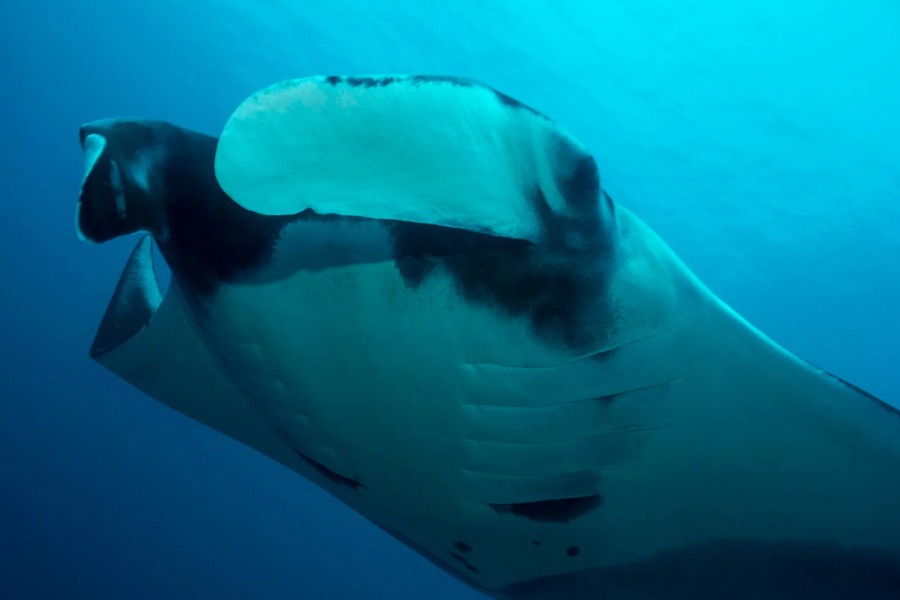
Manta rays are filter feeders that consume vast amounts of plankton. These rays swim with their mouths wide open, filtering seawater through their gills. Nusa Penida is situated at the convergence point of two major water masses.
The convergence of these two currents creates upwelling—a phenomenon where cold, plankton-rich water rises to the surface. This is why manta rays in Nusa Penida aren’t a coincidence but a natural phenomenon. The abundance of plankton keeps manta rays returning to the same spots repeatedly.
At Manta Point, this process creates a cleaning station. Here, small fish like wrasses clean parasites from the manta rays’ bodies, mouths, and gills. Meanwhile, a group of manta rays slowly circles above the reef. This is why manta ray sightings at Manta Point in Nusa Penida reach 90–95 percent throughout the year.
Read Other Interesting Articles:
- Manta Point vs. Crystal Bay: Where are the Best Diving Locations?
- The Best Spot Scuba Diving Manta Point Nusa Penida
- Best Places for Dive Master Courses in Bali
Nusa Penida vs. Other Diving Options in Bali: An Honest Comparison
Tulamben is famous for the USAT Liberty Wreck. This shipwreck is an extraordinary dive site, but there is no resident manta ray population here. Amed offers beautiful reef diving and mild currents, but it is not a manta destination. Nusa Lembongan does share waters with Nusa Penida and manta rays occasionally pass through, but it lacks a permanent cleaning station.
There’s nothing wrong with any of these three locations—each has its own unique strengths. However, if manta ray diving in Bali is your primary goal, the dive sites in Nusa Penida are the way to go. Nothing can match the consistency, accessibility, and richness of the ecosystem found in Nusa Penida.
Discovering Manta Point Nusa Penida
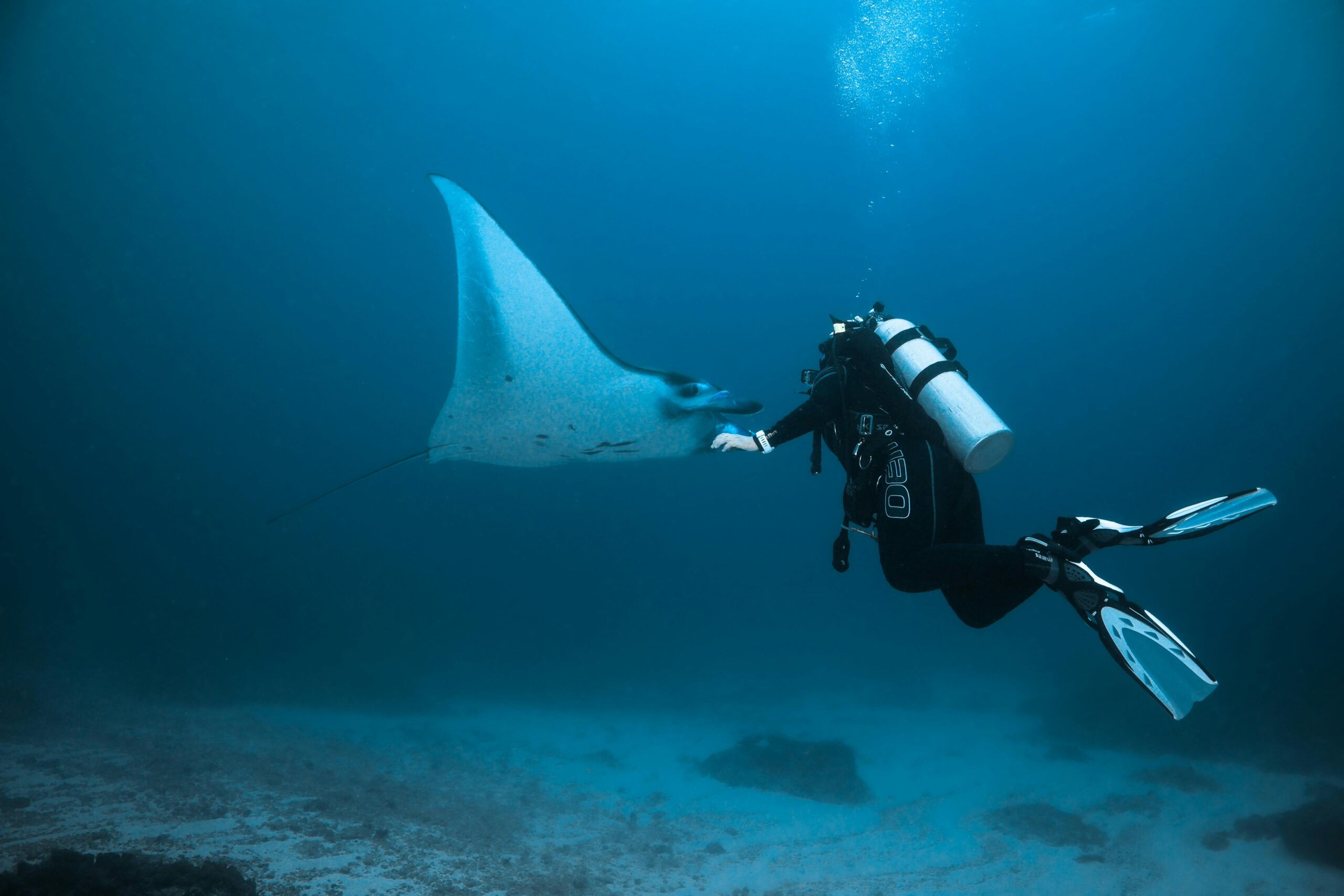
Manta Point Nusa Penida is located on the island’s southwest coast, about a 45-minute boat ride from Toyapakeh Harbor. This spot features a large reef with a sandy basin ranging from 5 to 20 meters in depth. These depths align with the PADI Open Water certification requirements and offer a stunning underwater setting.
What sets Manta Point Nusa Penida apart from other dive sites is its location as an active cleaning station. Manta rays are sure to return every day. Researchers from the Marine Megafauna Foundation have identified over 250 individual manta rays that regularly visit this site.
When diving at Manta Point Nusa Penida, the rules include kneeling quietly on the coral rocks or floating and letting the manta rays approach on their own. In this serene atmosphere, the manta rays will come within less than 1 meter and gracefully glide above you.
Two Main Spots for Swimming with Manta Rays in Bali
The manta ray ecosystem of Nusa Penida encompasses two distinct spots with contrasting characteristics.
Manta Point: For the Most Intense Encounter
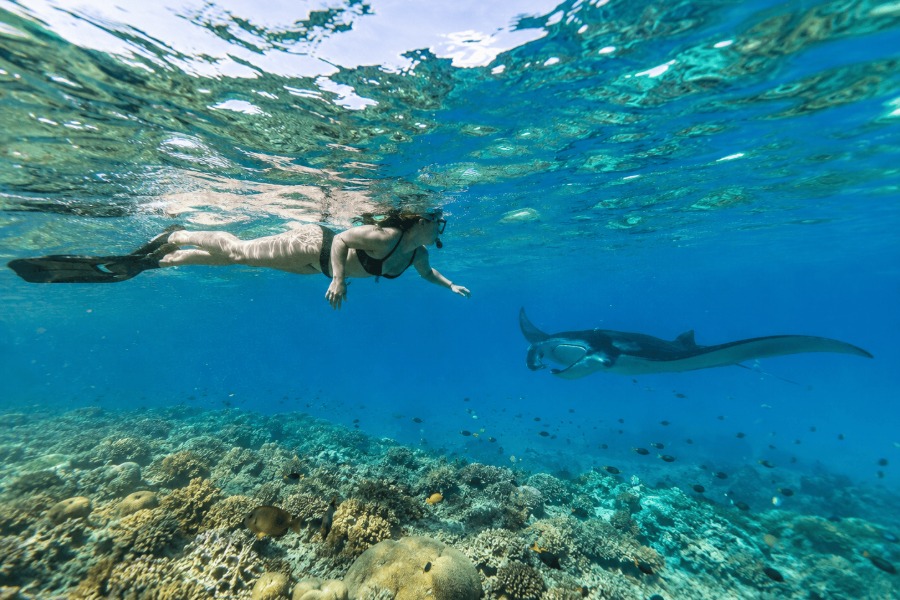
The top spot for swimming with manta rays in Bali is Manta Point. It’s located in open water facing the open sea, so the surface can sometimes be choppy. During a 40–60-minute dive session, divers can witness 10 to 30 manta rays circling simultaneously above the cleaning station.
Due to its high exposure to the open ocean, access to Manta Point depends entirely on daily sea conditions. The Nusablu team monitors these conditions every morning and only sends boats to this spot when conditions are safe. This decision is never compromised for the sake of a schedule or any commercial interests.
Manta Bay: For a More Gentle Encounter
The manta rays frequently seen at Manta Bay are generally smaller in size. This spot is also better suited for surface snorkeling with manta rays, as the depth is more manageable and the waves are more controlled.
One important note: unlike Manta Point, which is almost always predictable, manta sightings at Manta Bay are more variable. Most operators, including Nusablu, use Manta Bay as a backup alternative when Manta Point is inaccessible due to weather.
Diving in Bali at Nusa Penida: More Than Just Manta Rays
One reason why diving in Bali at Nusa Penida is truly unmatched is that Nusa Penida offers an ecosystem far richer than just manta rays.
In a single day of diving in Nusa Penida, the standard three-dive program offered by Nusablu includes: Manta Point in the morning to encounter manta rays, Crystal Bay in the afternoon to see exceptionally healthy coral reefs (and if visiting July–October, there’s a rare chance to encounter Mola Mola or giant sunfish), and a third spot like SD Point or Gamat Bay for a drift dive or to explore the dense coral life in the afternoon.
Practical Guide: What to Prepare
Required Certification
Manta ray diving in Bali at Manta Point requires at least a PADI Open Water certification. The maximum depth at this site is still within the Open Water limits (18–20 meters), but the currents here can be quite strong, so solid buoyancy control is essential. Divers who have recently completed their Open Water certification are advised to log at least 10–15 dives before tackling the currents off Nusa Penida.
For those who are completely uncertified, Nusablu offers a Discover Scuba Diving (DSD) program. Specifically for Manta Point, there will be a pool briefing session the day before so that participants are fully prepared to face actual ocean conditions.
Essential Gear
- 3-5mm wetsuit: cold currents from the Indian Ocean can drop water temperatures below 20°C, especially from June to October
- Reef hook: to secure your position in windy spots without disturbing the reef
- SMB (Surface Marker Buoy): mandatory for safety when surfacing in open water
- Underwater camera: moments with manta rays in Nusa Penida are among the most photogenic in the diving world
Best Time
Manta ray diving in Bali can be done year-round in Nusa Penida, and this is one of its greatest advantages. However, there are seasonal variations to be aware of:
- April–June: Sea conditions are most stable, water temperatures are warm (26–28°C), and visibility is excellent. Ideal for beginners.
- July–October: Currents are stronger, temperatures are cooler (20–24°C), but this is the Mola Mola season in Crystal Bay. Experienced divers will get the most out of their experience.
- November–March: Rainy season, but rain rarely stops diving. The southern side of the island can be rougher, but northern spots remain safe.
Why Nusablu Is the Best Choice for Manta Ray Diving
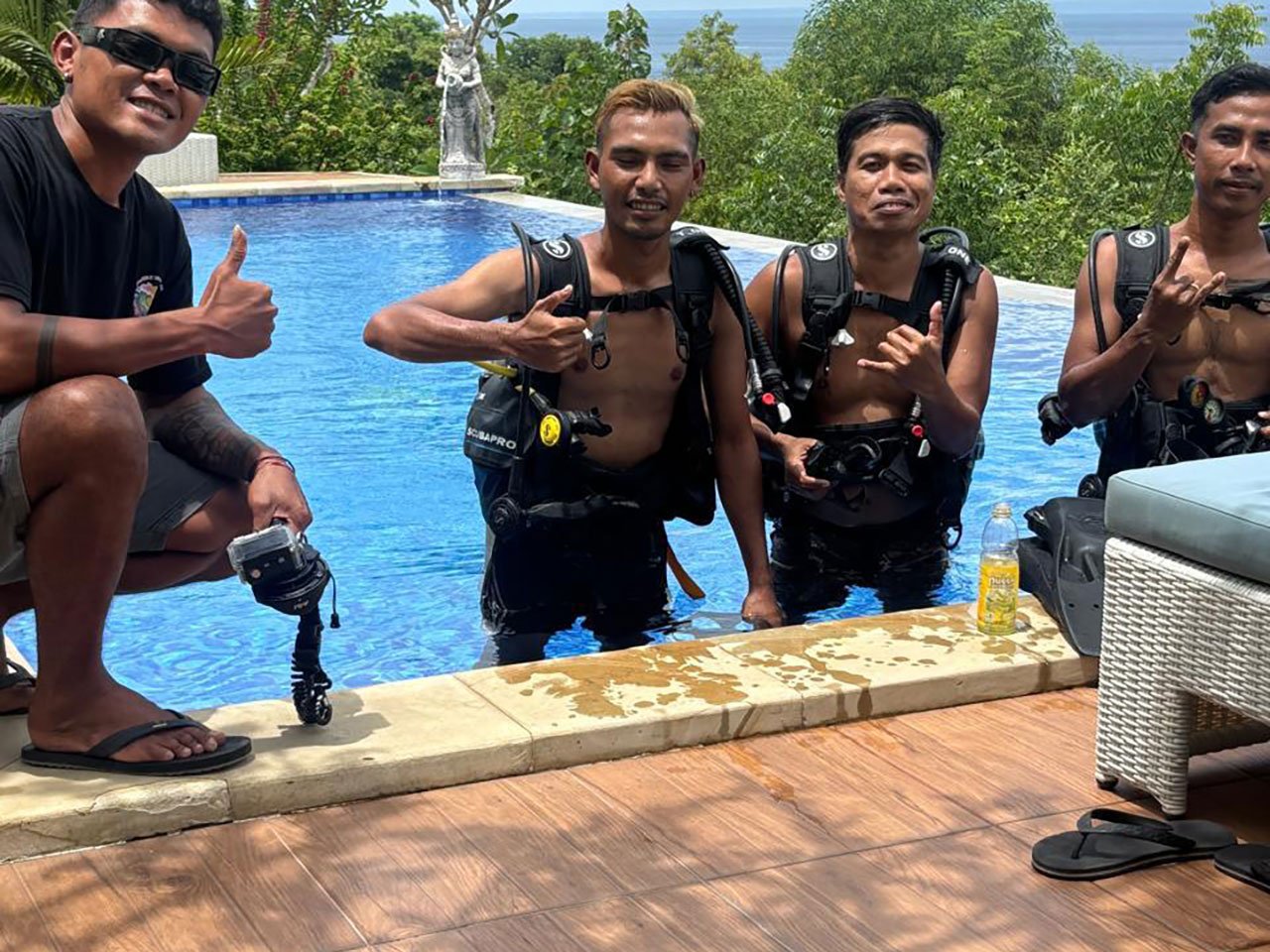
Among the various Bali dive operators offering trips to Nusa Penida, Nusablu stands out. We’re based directly on Nusa Penida, not in Bali. This means our boats depart from Toyapakeh. In the context of manta ray diving in Bali, this means you arrive at Manta Point earlier in the morning, when the manta rays are most active and before the crowds of boat tours from mainland Bali arrive.
Nusablu is a PADI-certified dive center led by experienced instructors with thousands of logged dive hours in the waters of Nusa Penida. Every morning, our team monitors current conditions, visibility, and weather before determining that day’s dive route. These decisions are made purely based on safety and the quality of the experience, not schedule pressures.
FAQ
Can manta rays be seen year-round in Nusa Penida?
Yes. Unlike many other manta ray destinations around the world that are seasonal, the manta ray population in Nusa Penida is resident, meaning they stay here year-round.
Is a diving certification required to swim with manta rays in Bali?
A certification is not required to swim with manta rays in Bali. Snorkeling on the surface also allows you to see manta rays, especially at Manta Bay. However, for the closest experience, scuba diving with a PADI Open Water certification provides access to deeper waters.
How long is the manta ray diving trip with Nusablu?
Nusablu’s daily diving program typically includes 2–3 dives with a total time in the water of about 4–5 hours. If you only want a single dive focused on Manta Point, a single fun dive option is available.
Are manta rays dangerous to divers?
Not at all. Manta rays are very peaceful and non-aggressive creatures. They have no stingers (unlike stingrays) and do not exhibit defensive behavior toward humans.
What is the difference between manta ray diving at Manta Point vs. Manta Bay?
Manta Point in Nusa Penida is more open and has strong currents. Meanwhile, Manta Bay is more sheltered, has calmer conditions, and is suitable for snorkelers or beginner divers.
Can I go manta ray diving as part of a stay package?
Yes, this is one of the main advantages of staying at Nusablu. Resort guests have easy access to integrated diving packages.