Scuba Diving in Bali: A Complete Guide to the Island’s Best Dive Sites
Bali has long been one of Southeast Asia’s most sought-after destinations for scuba diving in Bali, and for good reason. Between volcanic reefs, shipwrecks, and deep channels frequented by manta rays and mola mola, the island offers a range of underwater experiences that suit everyone from first-time divers to seasoned professionals.
Having worked as a dive instructor across several sites around Bali, I’ve watched guests move from nervous first breaths underwater to confidently exploring wrecks and drift dives within a matter of days. That progression is part of what makes scuba diving in bali so rewarding — the island genuinely has something for every stage of a diver’s journey.
Why Bali Is a Top Scuba Diving Destination
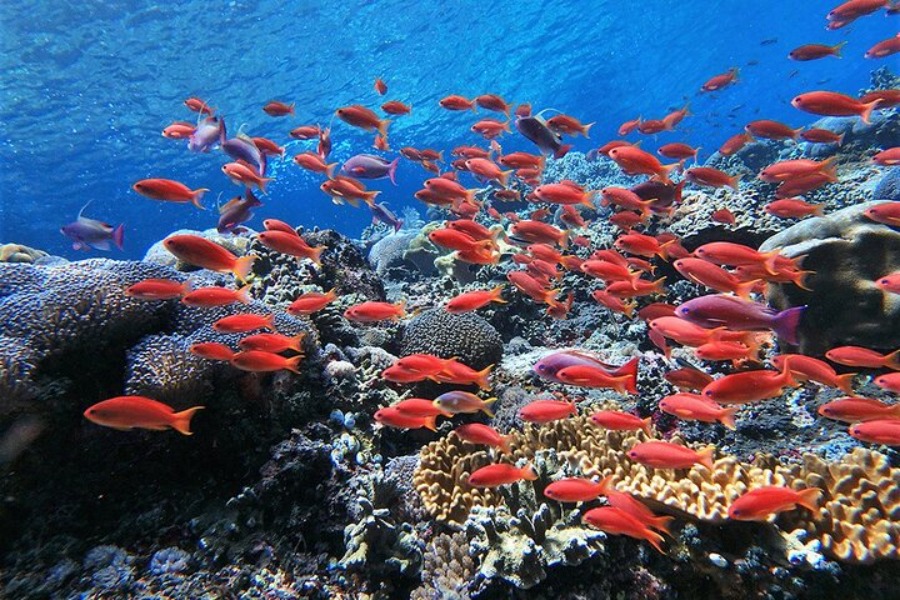
Bali sits at the meeting point of the Indian and Pacific Oceans (the Indonesian Throughflow), which brings an unusually rich mix of marine biodiversity close to shore. Combined with warm water, established dive infrastructure, and easy access from most parts of the island, it’s easy to see why scuba diving in bali attracts so many international travelers each year.
Unlike destinations where you need to travel far offshore, many of Bali’s best sites are reachable within an hour or two from popular tourist hubs like Sanur, Padang Bai, or Amed. This convenience, paired with genuinely world-class marine environments, is a major part of the island’s charm.
Top Dive Sites Around Bali
Bali’s underwater landscape is spread across several distinct regions, each with its own character:
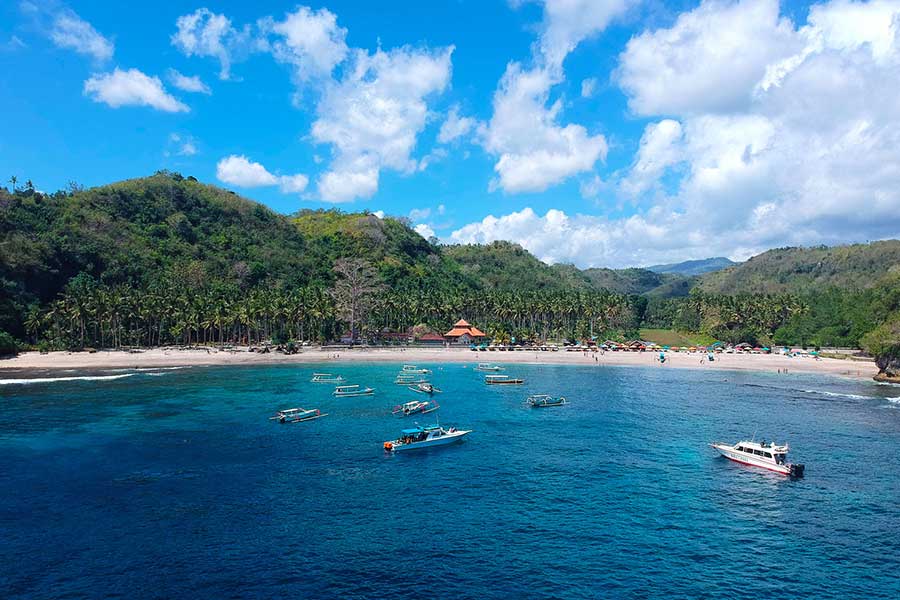
- Nusa Penida: Famous for manta ray encounters at Manta Point and mola mola sightings at Crystal Bay, with currents ranging from gentle to quite strong.
- USAT Liberty Wreck, Tulamben: A sunken WWII cargo ship now covered in vibrant coral, known as one of the most accessible wreck dives in the world.
- Amed: A black-sand coastal area with calm conditions, ideal for muck diving, macro photography, and beginner courses.
- Menjangan Island: Located in West Bali National Park, famous for steep wall dives and exceptional visibility.
- Padang Bai: A mix of easy coastal bay dives and current-driven sites like Blue Lagoon and Jepun.
Divers looking specifically for large pelagic encounters often plan a dedicated trip for Nusa Penida Diving, since Manta Point and Crystal Bay remain the most consistent spots for large marine life.
Marine Life Found Around Bali
Depending on the region and season, divers engaging in scuba diving in bali can expect to encounter:
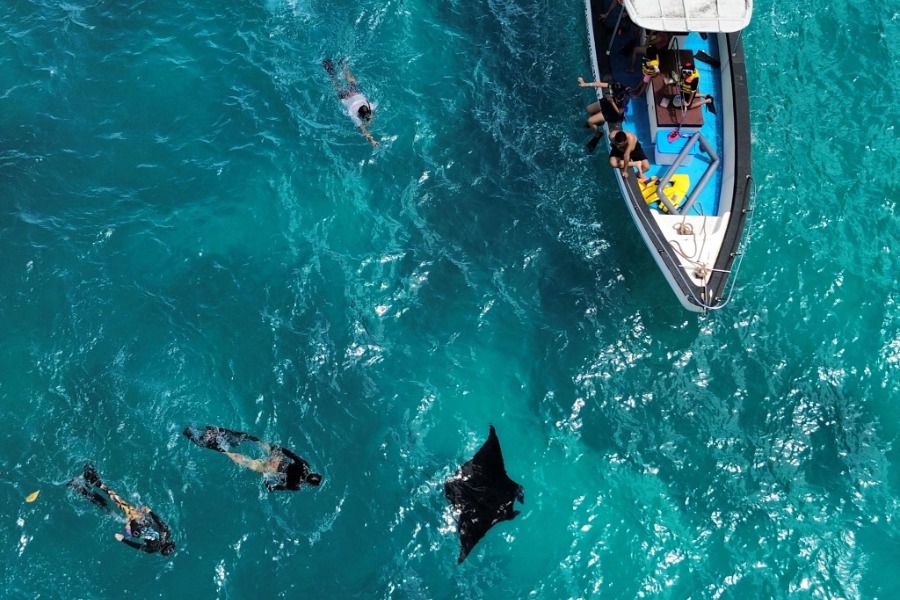
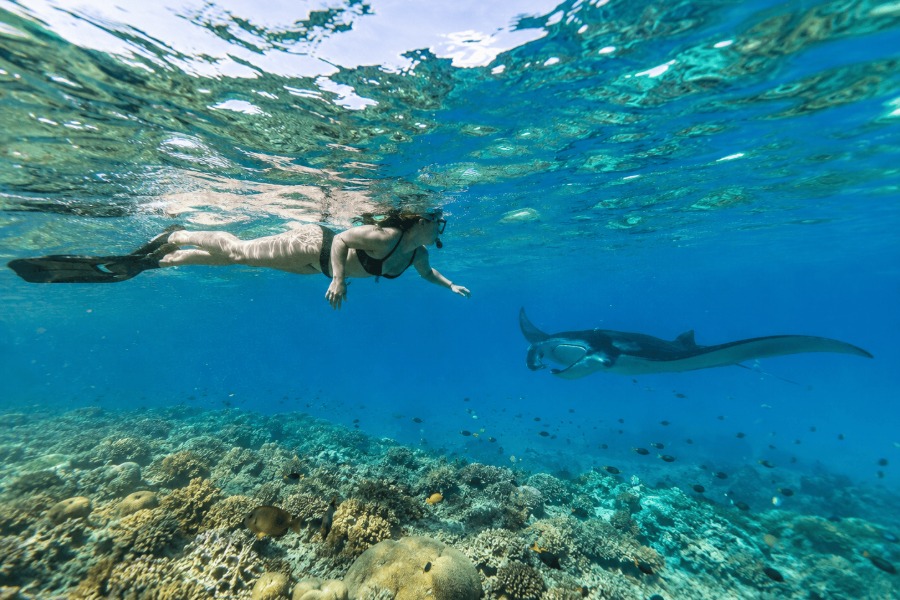
- Manta Rays: Resident populations present year-round at Manta Point.
- Mola Mola (Oceanic Sunfish): Seasonal visitors in deep waters around Nusa Penida.
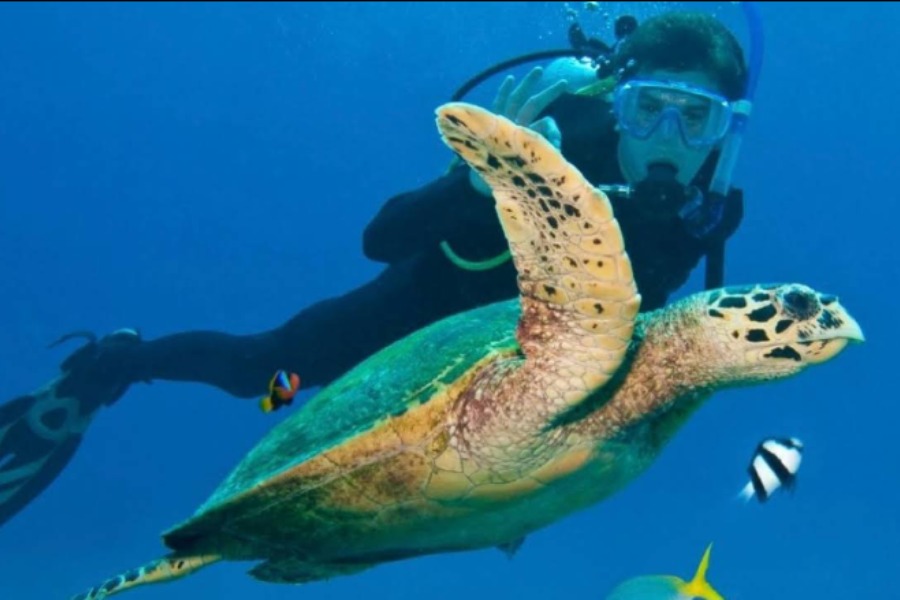
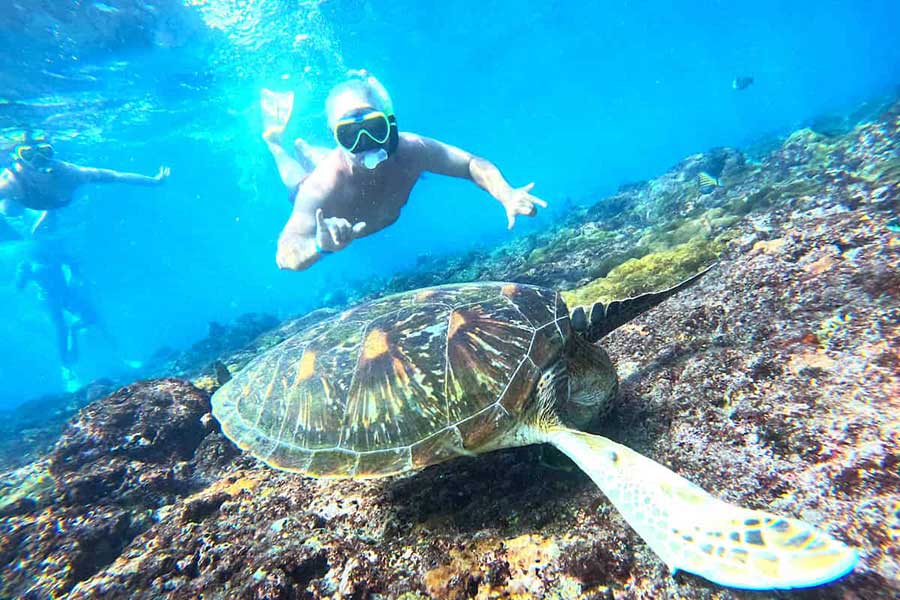
- Sea Turtles: Green and hawksbill turtles abundant in Amed, Tulamben, and Padang Bai.
- Reef Sharks & Rays: White-tip reef sharks, eagle rays, and marble rays.
- Macro Life: Nudibranchs, pygmy seahorses, frogfish, and ghost pipefish around Tulamben and Amed.
What It’s Like Diving in Bali’s Waters
Every region around Bali has its own personality underwater. At Tulamben, the USAT Liberty wreck sits just meters from shore, making it one of the easiest world-class dives to access — guests can walk straight into the water from the beach with their gear.
From guiding trips around Nusa Penida, I’ve noticed that currents there behave very differently from the calmer bay dives in Padang Bai or Amed. A drift dive around Crystal Bay can shift direction within minutes, which is exactly why a proper safety briefing before every dive matters as much as the dive itself.
Difficulty Levels Across Bali’s Dive Sites
Bali offers a genuinely wide range of difficulty levels:
- Beginner Friendly: Tulamben’s USAT Liberty wreck, Amed, and Padang Bai’s inner bays are calm, gentle, and shallow.
- Intermediate: Menjangan Island’s coral walls and Toyapakeh’s drift reefs.
- Advanced / Challenging: Nusa Penida’s Manta Point and Crystal Bay demand excellent buoyancy control, surface marker buoy skills, and comfort in moving water.
Who Can Go Scuba Diving in Bali
Certified Open Water divers can access the vast majority of Bali’s dive sites. Beginners without certification can easily join a Discover Scuba Diving (DSD) session at calmer locations such as Tulamben or Padang Bai under direct instructor supervision.
However, stronger-current sites—particularly those around Nusa Penida—are usually reserved for divers holding at least an Advanced Open Water certification or showing proven logbook experience.
Equipment and Safety Standards
Standard equipment across professional operators offering scuba diving in bali includes a BCD, regulator, wetsuit (typically 3mm for warmer bays, 5mm for cooler upwelling sites), dive computer, and a Surface Marker Buoy (SMB). Water temperatures generally range between 24–29°C, though they can drop to 20°C or below at deeper, current-exposed sites.
Reputable dive operators in Bali follow strict safety guidelines:
- A capped instructor-to-diver ratio (typically max 1:4)
- Detailed pre-dive safety briefings covering entry, drift protocols, and emergency procedures
- Emergency oxygen and first aid kits on every boat and shore site
- Active monitoring of weather and sea conditions before departure
- Diving insurance options provided or required for guests
Safety Note: Current-driven locations like Crystal Bay and Manta Point carry real risk from sudden downcurrents. Divers without adequate experience should avoid these sites unless accompanied by an experienced local guide.
How to Choose a Reliable Dive Operator
When planning scuba diving in bali, a few quick checks can help separate top-tier centres from the rest:
- Official Affiliation: Confirm affiliation with recognized bodies like PADI or SSI.
- Equipment Maintenance: Ask about equipment servicing schedules and overall condition.
- Small Group Sizes: Check instructor-to-guest ratios to avoid crowded groups.
- Local Expertise: Inquire specifically about the guide’s experience at high-current sites like Manta Point.
- Real Reviews: Read recent customer feedback regarding safety culture and service quality.
Best Time of Year for Scuba Diving in Bali
Bali is diveable year-round, though the dry season (April to October) generally brings calmer seas and clearer visibility (up to 30 meters).
- Manta Rays: Present almost year-round at Nusa Penida, with optimal conditions between April and November.
- Mola Mola: Peak season runs from July to October, when cool ocean upwellings draw them up from deep water.
Preparing for Your Dive
- Get a good night’s rest and stay well-hydrated beforehand.
- Bring your physical certification card or digital proof of your qualification.
- Choose wetsuit thickness based on the specific site you are visiting.
- Pay close attention during safety briefings regarding entry points, current behavior, and buddy protocols.
Plan Your Bali Diving Adventure with NusaBlu!
Whether you want to explore the historic USAT Liberty wreck in Tulamben or swim alongside giant manta rays off Nusa Penida, scuba diving in Bali delivers an underwater experience like no other.
Why Dive with NusaBlu?
At NusaBlu, we are dedicated to providing world-class diving and snorkeling adventures tailored to your skill level. Here is why divers choose to explore with NusaBlu:
- Professional Local Instructors: Certified guides who know Bali’s dive sites inside and out—from calm macro reefs to dynamic pelagic stations.
- Uncompromised Safety Standards: Small group ratios (max 1:4), emergency oxygen on every vessel, and thorough safety briefings before every jump.
- Tailored Itineraries: Personalized dive packages for beginners (Discover Scuba Diving) as well as experienced certified divers.
- Top-Grade Equipment: Well-serviced BCDs, regulators, dive computers, and thick wetsuits to keep you comfortable during cooler dives.
- Eco-Friendly Philosophy: We practice responsible diving protocols—respecting marine life and keeping safe distances from delicate ecosystems.
Ready to dive in? Contact NusaBlu today to plan your ultimate Bali scuba diving or snorkeling itinerary!
Frequently Asked Questions (FAQ)
1. Is scuba diving in bali suitable for beginners?
Yes! Sites like Tulamben and Padang Bai offer calm, shallow waters ideal for newly certified divers or first-timers. Stronger-current sites like Nusa Penida are better suited for experienced divers.
2. What’s the best area in Bali for wreck diving?
Tulamben is Bali’s premier wreck diving destination, home to the USAT Liberty wreck, which rests just off the beach in shallow to medium depths.
3. Where can I see manta rays while scuba diving in Bali?
Manta rays are most reliably encountered at Manta Point off Nusa Penida, with consistent sightings year-round.
4. What’s the water temperature like for diving in Bali?
Temperatures typically range between 24°C and 29°C. However, sites exposed to upwellings (like Crystal Bay) can drop to 20°C or cooler during mola mola season (July–October).
5. Do I need a certification to try scuba diving in Bali?
No certification is needed for a Discover Scuba Diving program in calm waters. However, an Open Water certification or higher is required for most other dive sites.