Best Scuba Diving in Bali: A Complete Guide to the Island’s Best Dive Sites
Bali is widely recognized as one of the world’s top scuba diving destinations. Its underwater beauty offers a remarkable combination of vibrant coral reefs, historic shipwrecks, dramatic underwater walls, and opportunities to encounter rare marine life such as manta rays and mola-mola (ocean sunfish). It’s no surprise that Best Scuba Diving in Bali is one of the most searched keywords by travelers looking for an unforgettable underwater adventure.
Whether you’re a beginner trying scuba diving for the first time or a certified diver seeking new challenges, Bali offers dive sites suitable for every experience level. Each destination has its own unique characteristics, ranging from calm, beginner-friendly waters to thrilling drift dives with strong currents.
In this guide, you’ll discover the best scuba diving in Bali, the ideal time to dive, the incredible marine life you can encounter, essential tips before starting your underwater journey, and how a trusted local operator like Nusablu can help you experience it all safely.
Why Bali Is One of the Best Scuba Diving Destinations
Bali boasts an extensive coastline with incredibly diverse underwater environments. Within a single island, divers can experience multiple styles of diving without traveling to different countries — one more reason Bali consistently ranks among the destinations offering the best scuba diving in Bali has to offer travelers from around the world.
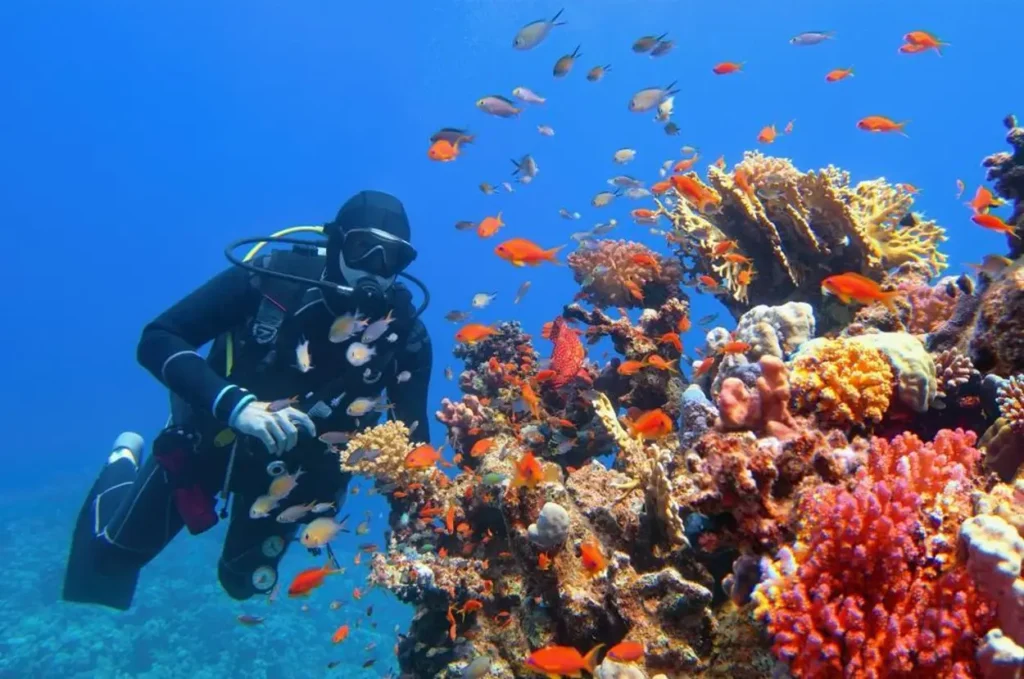
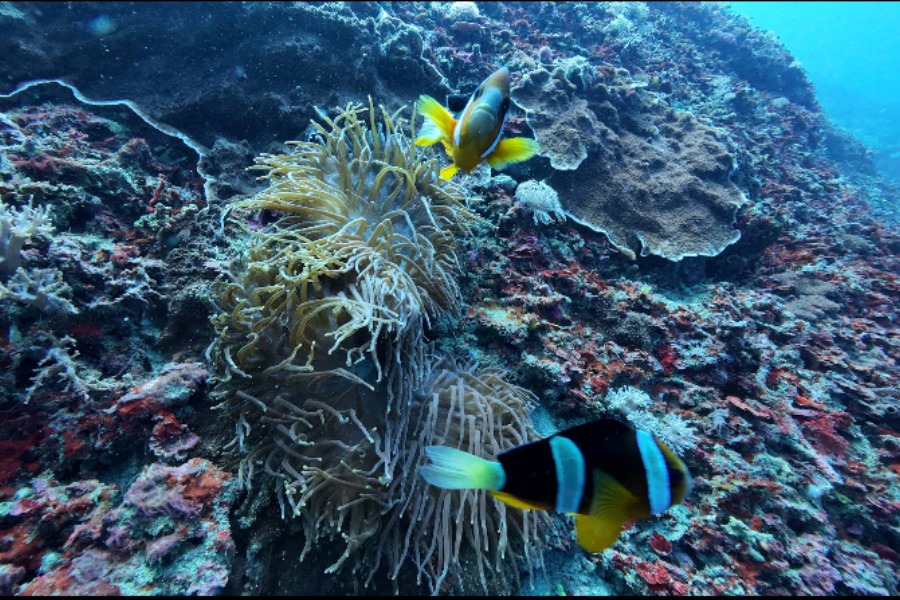
One of Bali’s greatest strengths is its rich marine ecosystem. Colorful coral reefs provide habitat for thousands of tropical fish species, while certain dive sites offer unique experiences such as exploring historic shipwrecks or swimming alongside giant manta rays.
Another reason why scuba diving in Bali is so popular is its well-developed tourism infrastructure. Numerous professional dive centers offer modern equipment, certified PADI and SSI instructors, and diving packages suitable for international travelers.
Accessibility is another major advantage. Ngurah Rai International Airport receives direct flights from many countries, allowing visitors to easily reach Bali’s top diving destinations.
Best Scuba Diving Spots in Bali You Must Visit
Nusa Penida
Nusa Penida is considered the icon of scuba diving in Bali. The island is famous for its crystal-clear waters and extraordinary marine biodiversity.
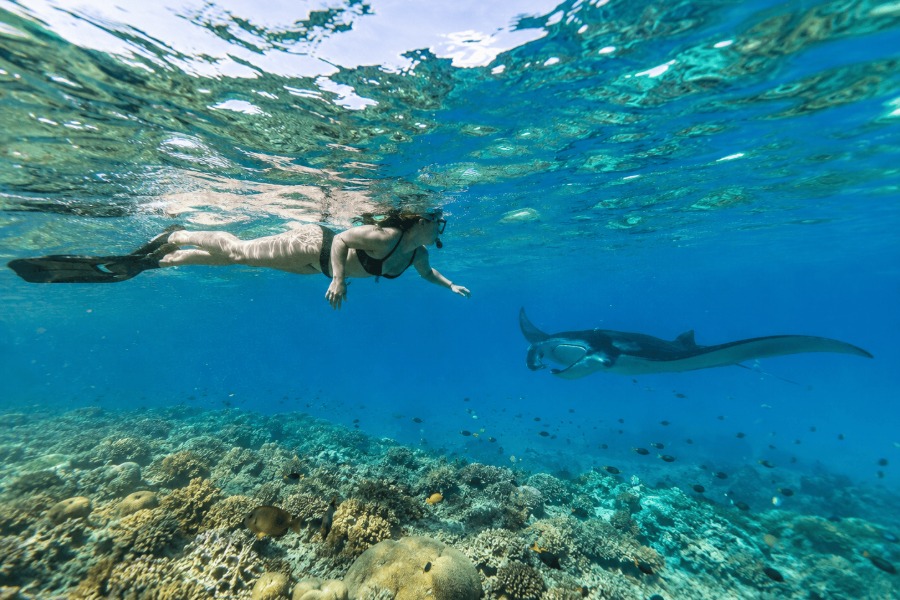
Divers have an excellent chance of encountering manta rays throughout the year, especially at Manta Point. Crystal Bay is also renowned as one of the best places to spot the elusive mola-mola (ocean sunfish), particularly during its seasonal appearances.
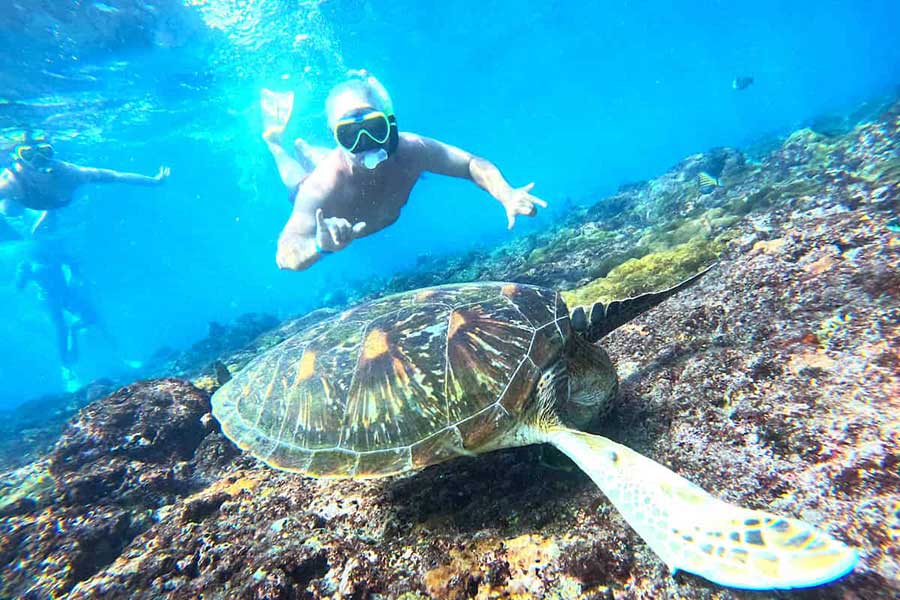
Besides these iconic species, healthy coral reefs are home to sea turtles, Napoleon wrasse, colorful reef fish, nudibranchs, and countless other marine creatures loved by underwater photographers.
Popular Dive Sites in Nusa Penida
- Manta Point
- Crystal Bay
- Toyapakeh
- SD Point
- PED
- Gamat Bay
Each dive site offers a different experience, from exciting drift dives to relaxed dives with gentle currents.
Tulamben
Tulamben is world-famous for the USAT Liberty Shipwreck.
The ship, which sank following the eruption of Mount Agung, has transformed into an artificial reef teeming with marine life. Today, it is covered with soft corals and hard corals while attracting lionfish, barracuda, garden eels, and countless tropical fish species.
One of Tulamben’s biggest advantages is its easy shore entry, making it an excellent destination for beginner divers.
Amed
Amed offers a quieter and more relaxed diving atmosphere than many other dive destinations in Bali.
Its waters feature healthy coral reefs with relatively calm currents, making it ideal for beginners and underwater photographers. The area is especially famous for macro marine life, including nudibranchs, shrimp, frogfish, and ghost pipefish.
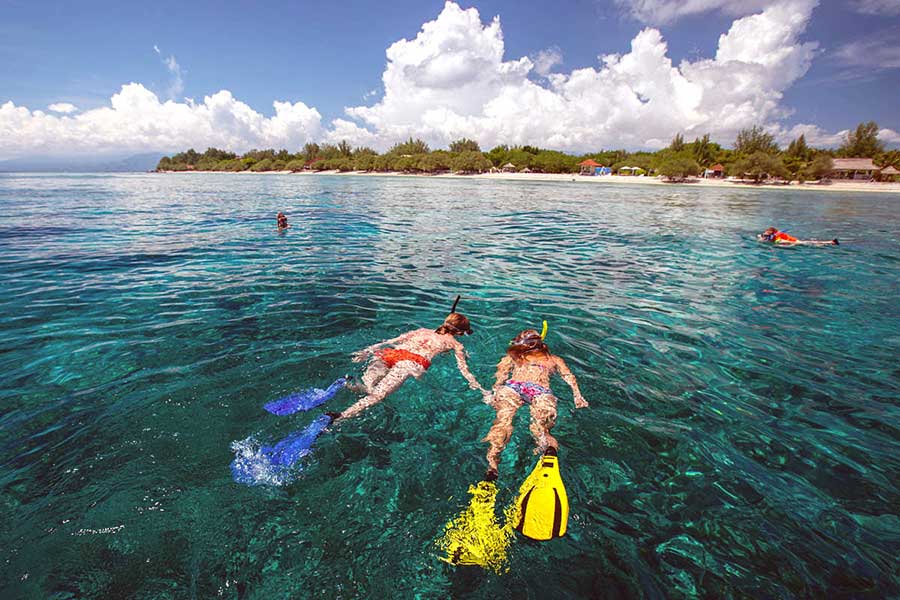
In addition to scuba diving, Amed is also a popular snorkeling destination, making it an excellent choice for families with different activity preferences.
Padang Bai
Padang Bai is a favorite diving destination because it offers multiple dive sites within one compact area.
Blue Lagoon features calm water conditions, making it ideal for beginner divers, while Jepun is known for its beautiful coral gardens.
For experienced divers, Padang Bai also offers several sites with stronger currents, providing a more adventurous diving experience.
Menjangan Island
Located in West Bali, Menjangan Island is part of a protected marine conservation area.
The island is renowned for its spectacular wall diving. Massive coral walls are covered with giant sea fans, colorful sponges, soft corals, and schools of vibrant reef fish.
Visibility often exceeds 30 meters, making Menjangan one of Bali’s favorite destinations for underwater photographers.
Marine Life You Can Encounter
One of the main reasons divers choose Bali over other destinations is its incredible marine biodiversity.
During your dives, you may encounter:
- Manta Rays
- Mola-Mola (Ocean Sunfish)
- Sea Turtles
- Reef Sharks
- Napoleon Wrasse
- Barracuda
- Eagle Rays
- Moray Eels
- Frogfish
- Nudibranchs
- Octopus
- Various tropical reef fish
Besides large marine animals, Bali is also considered a paradise for macro diving. Many professional underwater photographers visit specifically to capture tiny marine creatures that are rarely found elsewhere.
Best Time for Scuba Diving in Bali
Scuba diving is possible throughout the year in Bali, although each season offers different experiences.
The dry season, from April to October, generally provides calmer seas and excellent underwater visibility. This period is considered the peak season for international divers searching for the best time for scuba diving in Bali.
If your goal is to see the famous mola-mola, the best months are between July and October. During this period, colder water temperatures encourage these unique fish to rise from deeper waters.
For manta rays, sightings are possible year-round, as they frequently visit the cleaning stations at Manta Point.
Can Beginners Try Scuba Diving in Bali?
Absolutely.
Many dive centers in Bali offer Discover Scuba Diving programs specifically designed for people without diving certification.
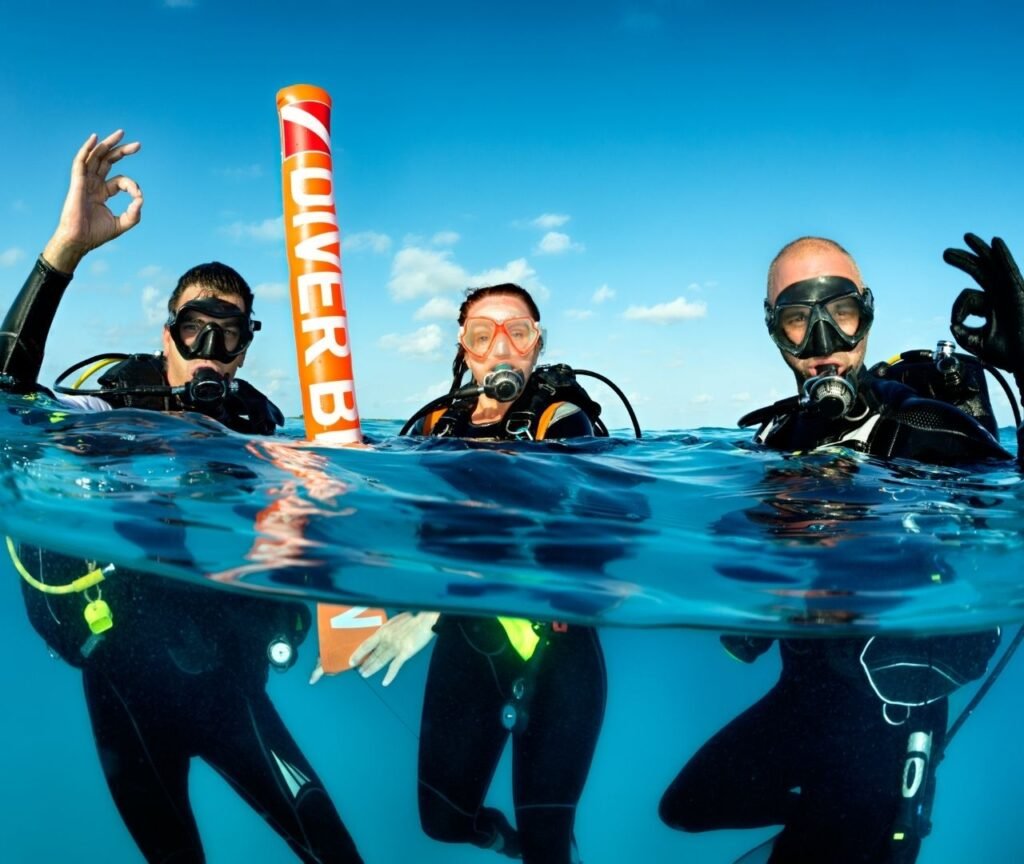
Before entering the water, participants receive a comprehensive briefing covering equipment usage, breathing techniques, underwater communication, and essential safety procedures.
Throughout the dive, a certified instructor accompanies each participant, ensuring a safe and enjoyable experience.
Those who wish to continue their diving journey can also enroll in PADI Open Water or SSI Open Water certification courses.
Tips Before Going Scuba Diving in Bali
Proper preparation helps ensure a safe and enjoyable diving experience. Here are some essential tips:
- Make sure you are in good health.
- Choose a certified dive center.
- Check all diving equipment before entering the water.
- Listen carefully during the dive briefing.
- Never touch coral reefs or marine life.
- Stay well hydrated before diving.
- Avoid flying for at least 18–24 hours after your final dive.
Responsible diving practices not only protect your safety but also help preserve Bali’s beautiful marine ecosystems.
Why Choose a Professional Dive Center?
Selecting an experienced dive operator is essential for enjoying the best scuba diving in Bali has to offer.
Professional dive centers provide internationally certified instructors, regularly maintained equipment, comfortable dive boats, and extensive knowledge of local dive sites and sea conditions.
Beyond safety, experienced local guides know where to find marine animals such as manta rays, sea turtles, and mola-mola, significantly increasing your chances of memorable wildlife encounters.
Many dive operators also offer complete services, including hotel transfers, lunch, underwater photography, and multi-day diving packages for travelers who want to explore several dive sites.
Dive and Snorkel with Nusablu: Your Trusted Local Operator
If you’re planning to experience the best scuba diving in Bali, choosing the right dive operator makes all the difference — and this is where Nusablu comes in.
Nusablu is a local Bali-based dive and snorkeling operator known for its friendly, professional instructors and well-maintained equipment. Whether you’re a first-time snorkeler wanting to float above colorful reefs or a certified diver chasing manta rays at Nusa Penida, Nusablu tailors every trip to match your experience level and interests.
What makes Nusablu stand out:
- Certified PADI/SSI instructors who prioritize safety and comfort for divers of all levels, from Discover Scuba beginners to advanced certification seekers.
- Small group sizes, ensuring a more personal and relaxed experience in the water.
- Flexible trip options, covering popular spots such as Nusa Penida, Tulamben, Amed, Padang Bai, and Menjangan Island.
- Complete packages that include equipment rental, hotel transfers, and refreshments, so you can focus entirely on enjoying the underwater scenery.
- Snorkeling trips for non-divers, perfect for families or travelers who still want to enjoy Bali’s marine life without a diving certification.
Whether you’re chasing mola-mola in Crystal Bay, exploring the USAT Liberty Shipwreck in Tulamben, or simply snorkeling above a vibrant coral garden, Nusablu can help you plan a safe, memorable trip that matches your comfort level and schedule.
Ready to explore the best scuba diving in Bali for yourself? Book your diving or snorkeling trip with Nusablu today and let their experienced local team guide you to Bali’s most spectacular underwater destinations.
How to Choose the Right Dive Site Based on Your Experience Level
Not every dive site offers the same level of difficulty. Choosing a location that matches your certification and experience is essential.
For beginners, Amed, Blue Lagoon in Padang Bai, and Tulamben are excellent choices because they offer calm conditions and easy entry points. These sites allow new divers to build confidence while enjoying Bali’s underwater beauty.
Experienced divers often prefer Nusa Penida, where stronger currents create exciting drift dives and increase the chances of encountering larger pelagic species.
Selecting a dive site that matches your skill level — ideally with guidance from an experienced operator like Nusablu — ensures a safer, more enjoyable, and rewarding diving experience.
Conclusion
Bali truly deserves its reputation as one of the destinations offering the best scuba diving in Bali and the wider region has to offer. From the historic USAT Liberty Shipwreck in Tulamben and the breathtaking wall dives of Menjangan Island to the rich macro life of Amed and unforgettable encounters with manta rays and mola-mola in Nusa Penida, every dive site offers its own unique underwater adventure.
With exceptional marine biodiversity, world-class dive sites, and numerous professional dive centers, Bali is the perfect destination for both beginners and experienced divers. By choosing the right season, diving with a trusted operator such as Nusablu, and following proper safety procedures, you can enjoy a safe, exciting, and unforgettable underwater experience.
Frequently Asked Questions (FAQ)
1. Where can I find the best scuba diving in Bali?
Some of the best dive sites include Nusa Penida, Tulamben, Amed, Padang Bai, and Menjangan Island. Each destination offers unique underwater landscapes and marine life, and operators like Nusablu can help you access all of them.
2. When is the best time to go scuba diving in Bali?
The dry season, from April to October, generally offers the best visibility. If you want to see mola-mola, July through October is the ideal period.
3. Can beginners try scuba diving in Bali?
Yes. Many dive centers, including Nusablu, offer Discover Scuba Diving programs, allowing beginners to experience scuba diving with certified instructors without requiring prior certification.
4. What marine animals can I see while diving in Bali?
Divers may encounter manta rays, mola-mola, sea turtles, reef sharks, barracuda, Napoleon wrasse, nudibranchs, frogfish, octopuses, and a wide variety of tropical reef fish.
5. How long should I wait before flying after scuba diving?
It is recommended to wait at least 18–24 hours after your final dive before flying to reduce the risk of decompression sickness.